Lake Champlain Shoreline Public Land
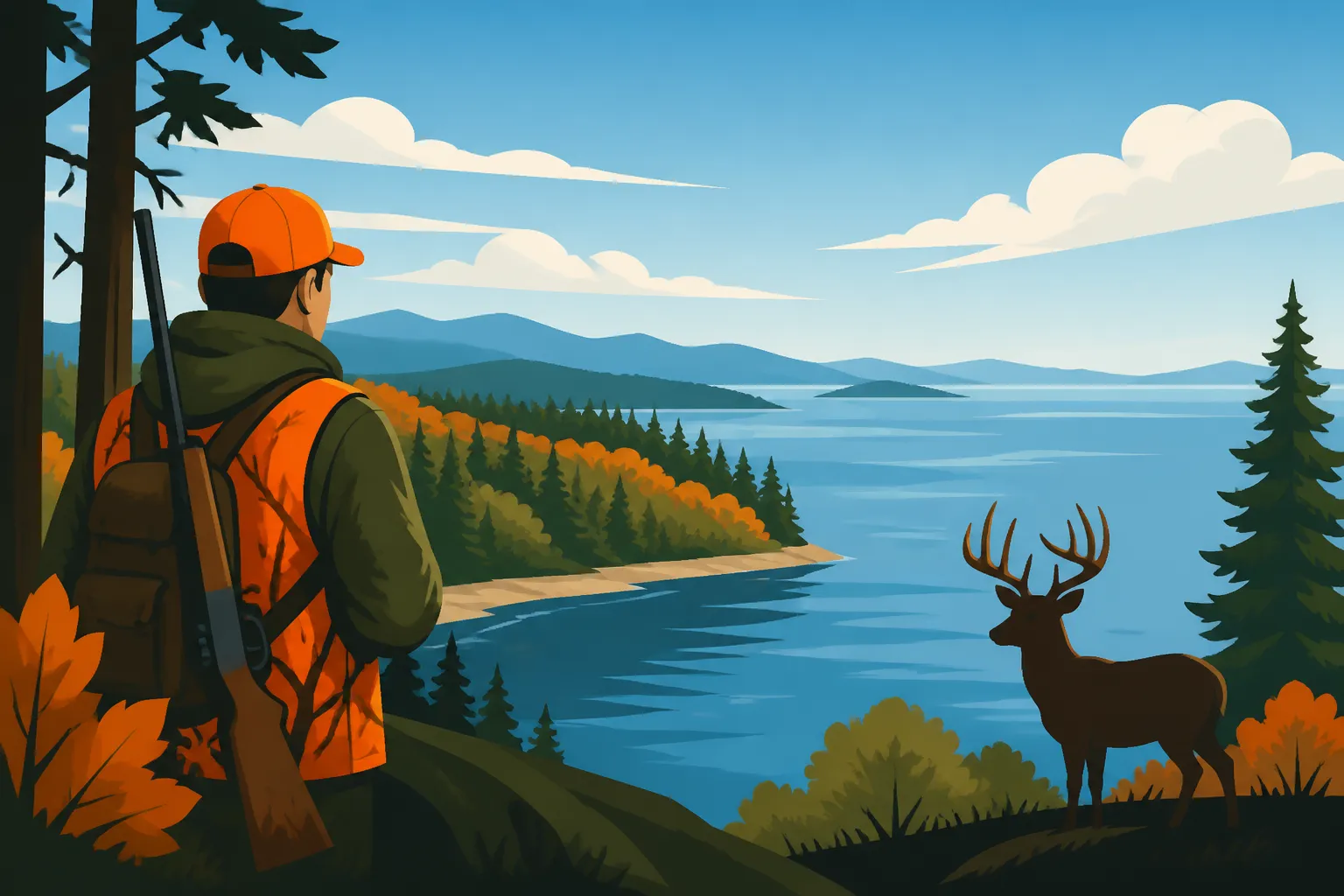
Many hunters in New York often overlook the vast and diverse opportunities that lie along the shores of Lake Champlain, often focusing on the more commonly discussed Adirondack peaks or Southern Tier farmlands. This guide is here to shed light on the incredible public land hunting experiences available in the Lake Champlain region, from the bustling waterfowl migrations to the quiet pursuit of deer and small game in its unique mix of marsh, timber, and agricultural fringes.
Understanding Lake Champlain's Unique Hunting Landscape
The Lake Champlain region isn't just a scenic drive; it's a dynamic ecosystem that offers a truly distinct hunting experience in New York. Hunters here are treated to a blend of habitats influenced directly by the vast freshwater lake, creating opportunities unlike almost anywhere else in the state.
A Blend of Waterfowl Haven and Upland Opportunity
When most people think of Lake Champlain and hunting, waterfowl often comes to mind first, and for good reason. The lake is a significant stopover for migratory birds along the Atlantic Flyway, attracting a wide array of ducks and geese. The extensive marshlands, bays, and feeder creeks along the New York shoreline provide prime habitat for puddle ducks like mallards, black ducks, and wood ducks, while the open waters of the lake itself draw in diver ducks like scaup, canvasbacks, and goldeneyes.
However, to pigeonhole Lake Champlain solely as a waterfowl destination would be a disservice to its broader potential. Beyond the cattails and open water, the shoreline transitions into brushy edges, mixed hardwood forests, and pockets of conifer stands. These transition zones, often bordering agricultural fields a little further inland, create fantastic cover and food sources for white-tailed deer. You'll also find healthy populations of ruffed grouse in the younger timber cuts and aspen groves, and woodcock often frequent the damp, brushy bottomlands along creeks that drain into the lake. Even squirrels can provide action in the mature oak and hickory stands that dot the landscape. It's this beautiful duality—a vibrant waterfowl haven seamlessly blending into productive upland and big game territory—that truly defines hunting in this region.
Wildlife Management Areas and State Forests on the Shore
New York's commitment to public land access shines brightly along Lake Champlain, with several key Wildlife Management Areas (WMAs) and State Forests providing ample hunting grounds. These areas are specifically managed to enhance wildlife habitat and offer diverse recreational opportunities, including hunting.
WMAs like Lake Alice, Putnam Creek, and Point Au Roche are prime examples of the public access points directly influenced by the lake. Lake Alice, for instance, is a massive complex of wetland, upland, and agricultural fields managed with waterfowl and pheasant hunting in mind, but also holds deer and small game. Putnam Creek WMA offers a mix of wetland and upland forest, providing diverse habitat that appeals to waterfowl, deer, and upland birds. Point Au Roche State Park, while having specific regulations, can also offer hunting opportunities in designated areas. These WMAs are often strategically located to capture migratory bird movements and provide critical breeding and feeding grounds. State Forests in the broader Champlain Valley, though perhaps not immediately on the water's edge, contribute significantly to the hunting landscape by offering more extensive timber tracts for deer, bear, and grouse. Understanding the specific management goals and habitat types of each area will help you tailor your hunting approach. For example, some WMAs might have dedicated waterfowl impoundments, while others prioritize forest management for deer. Mapping tools are invaluable here, helping you discern the nuances of each property.
Regulatory Considerations for Champlain Hunters
Hunting near a major international waterway like Lake Champlain comes with its own set of rules and considerations, some of which are unique to this particular region. It's crucial for every hunter to be thoroughly familiar with these regulations to ensure a safe and legal outing.
For waterfowl hunters, the most notable difference is often the influence of other states on New York's season dates. The Lake Champlain zone's waterfowl seasons are often set in coordination with Vermont, given that both states share the lake. This means that certain dates for duck or goose seasons in the Champlain zone might not align precisely with other New York waterfowl zones. Always double-check the current year's waterfowl regulations for the Lake Champlain zone specifically. Beyond season dates, standard federal regulations for migratory birds apply, including the requirement for a federal duck stamp and New York Migratory Bird Certification. These aren't unique to Champlain but are critical for waterfowl hunting anywhere in the state. For deer and small game, the region generally falls under the Northern Zone regulations, which have specific season structures, bag limits, and legal implements. Always remember that possessing an appropriate New York hunting license and any necessary privileges (like bowhunting or muzzleloader) is non-negotiable. Familiarize yourself with local town ordinances as well, as discharge restrictions can sometimes apply near developed areas, even on public land. Why Vermont Sets New York's Champlain Dates is an excellent resource to understand the unique jurisdictional aspects of this area.
Scouting and Accessing Champlain's Public Lands
Successfully hunting Lake Champlain's public lands starts long before you ever step foot in the woods or marsh. Thorough scouting and understanding access points are absolutely critical, especially in a region with such diverse and often interconnected habitats.
Leveraging Digital Tools for Shoreline Scouting
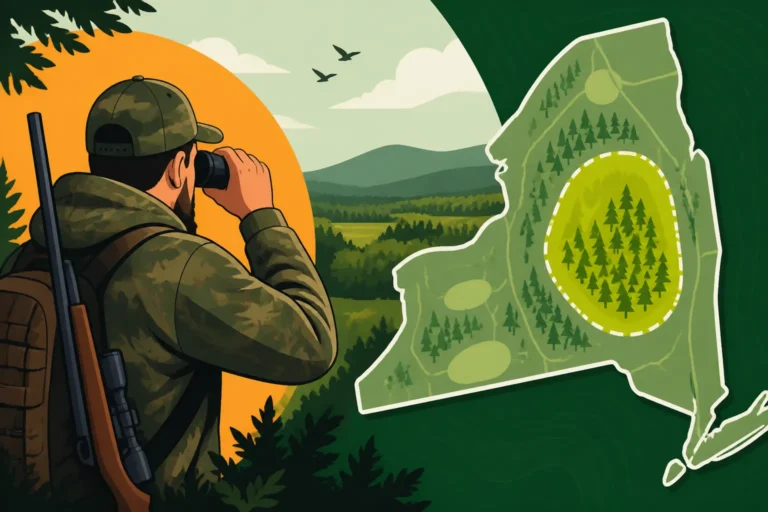
In today's hunting world, digital mapping tools are indispensable, and nowhere is this more true than when scouting the complex public lands of Lake Champlain. Services like onX Hunt and GoHunt provide invaluable layers of information that can transform your pre-season scouting. These apps allow you to meticulously examine property boundaries, clearly delineating public land from private parcels, which is absolutely essential for avoiding trespass. The satellite imagery is a game-changer, letting you identify potential marsh openings, hidden feeder creeks, dense cattail stands, or even subtle changes in timber type that might indicate a deer bedding area or a grouse cover.
You can trace old logging roads, identify potential funnel points between the lake and upland timber, or pinpoint a small patch of oaks that might be dropping acorns. Imagine finding a brushy point extending into a bay that could be a perfect pinch point for deer, or a secluded wetland pocket away from main boat traffic that might hold undisturbed ducks. With onX Hunt, you can drop pins, measure distances, and even identify historical clearings or subtle topographical changes that might not be obvious on a paper map. This allows you to plan your approach, understand the terrain you'll encounter, and even estimate walking distances to those less-pressured spots. Before you leave home, you can essentially walk the property virtually, formulating a solid game plan and understanding the lay of the land, which is key when navigating the sometimes dense or watery terrain of the Champlain shoreline. Finding New York Property Lines is a good read if you're not familiar with how important this is.
Navigating Diverse Terrain: From Marsh to Hillside
The Lake Champlain region offers a truly varied landscape, meaning your approach to navigation and movement will need to be flexible. You're not just walking through timber; you might be slogging through marsh, pushing through thick brush, or climbing a gradual incline to a hardwood ridge.
For waterfowl hunters, navigating the marsh is paramount. This often means wearing chest waders, using a canoe or kayak, or having a small boat capable of shallow water. Understanding currents, submerged obstacles, and soft bottom conditions is crucial. Getting stuck in deep mud or finding yourself in water over your waders can turn a hunt into a dangerous situation quickly. For deer and small game hunters, the terrain might be less watery but equally challenging. The brushy transition zones along the shoreline can be incredibly thick, requiring slow, deliberate movement. You'll encounter mixed hardwoods further back, some on gentle slopes, others on more pronounced hillsides. Consider how recent rain might affect creek crossings or how early morning frost can make leaf litter crunchy. Always scout potential routes and be aware of your egress points. Look for subtle deer trails through the brush or slight rises in the marsh that offer drier footing. Accessing some areas might involve a short walk from a designated parking area, while others could require a lengthy hike or even a boat ride to truly reach unpressured territory. Lake Champlain Wildlife Management Areas will often provide information on specific access points and conditions.
Dealing with Hunting Pressure and Finding Seclusion
Like any productive public hunting ground, certain areas along Lake Champlain's shoreline can experience significant hunting pressure, especially on opening days or during peak weekends. Waterfowl hot spots, in particular, can draw a crowd. However, with a bit of strategy, you can often find your own piece of solitude.
The key is often to go where others won't. This might mean walking further than most hunters are willing to go, bypassing the easy access points, or launching a canoe or kayak to reach remote pockets of marsh or timber. While the main bays and popular waterfowl points might be busy, smaller, less obvious backwaters or brushy peninsulas could offer excellent, unpressured opportunities. Consider hunting during weekdays if your schedule allows, as this often significantly reduces pressure. For deer hunting, this might mean pushing deeper into a State Forest or WMA, beyond where the average hunter stops. Look for areas with difficult terrain – a particularly wet section of marsh, a steep embankment, or a dense thicket – as these often deter casual hunters and can hold unpressured game. Digital mapping tools, like the aforementioned onX Hunt or GoHunt, are excellent for identifying these less accessible areas and planning an entry route that others might overlook. Even within popular WMAs, there are often overlooked corners that can yield success if you're willing to work for it. Remember, hunters often follow the path of least resistance, so diverging from that path can lead you to seclusion and, often, to game. Hunting Pressure on New York Public Land delves deeper into strategies for avoiding crowds.
Strategies for Hunting Lake Champlain Deer
Hunting white-tailed deer along the Lake Champlain shoreline presents a unique set of challenges and rewards. The lake's presence fundamentally influences deer behavior, creating patterns and opportunities that differ from typical inland hunting grounds.
Understanding Deer Movement Near the Lake
Deer in the Lake Champlain region often adapt their movements to the geography shaped by the lake. The shoreline itself, with its mix of marsh, brush, and timber, can act as a natural travel corridor, especially during the rut when bucks are cruising for does. They'll often skirt the edge of thick cover bordering the water, using the dense vegetation for concealment while moving between feeding and bedding areas.
Food sources are varied. Beyond the natural browse in the transition zones and mast crops in the hardwoods, deer will frequently move to agricultural fields a short distance inland, particularly during the late season when other food sources are scarce. Scouting for these field edges and the trails leading to them is crucial. Bedding areas are often found in the thickest cover available, whether that's dense cattails within the marsh, tangled brush on a point extending into the lake, or secluded pockets of conifer trees that offer thermal protection. Furthermore, the massive body of water itself can influence wind patterns and thermals. While general wind direction is important, expect localized shifts and currents, especially at dawn and dusk, that can be tricky. Deer, being sensitive to these changes, will often position themselves to take advantage of them. Understanding how Wind and Thermals on a Catskill Ridge work, and adapting that knowledge to a lakeside environment, is key to successful stand placement.
Stand Placement and Still-Hunting Tactics
Given the unique landscape, smart stand placement and strategic still-hunting are vital for connecting with a Champlain deer. Think about how deer will move through this specific terrain.
Pinch points are often gold mines. Look for narrow strips of land between the lake and private property, or where a dense swamp funnels deer into a smaller travel corridor. Setting up on a point that forces deer to walk around it, or an elevated position overlooking a marsh where deer might cross, can be incredibly productive. Ground blinds can be exceptionally effective in this environment, especially in the thick, brushy cover found along marsh edges. They allow you to blend seamlessly into the dense vegetation and can be set up quickly and quietly without the need for a suitable tree. If you're using a ground blind, ensure it's well-brushed in and set up with the prevailing wind in mind. Using a Ground Blind on New York Public Land offers some great advice here. Still-hunting, moving slowly and deliberately through the mixed hardwoods and brush, can also be a highly effective tactic, particularly during the firearm season or on days with light rain or snow when deer movement might be more subtle. Focus on areas of good cover and scan constantly for movement. Always approach from downwind, taking advantage of any small rises in elevation to glass ahead. Remember, the Northern Zone generally has a shorter firearm season, so making the most of those days is important. New York's Northern Zone Firearm Season outlines these dates.
Leveraging Late Season Opportunities
While the early bow season and the firearm season get a lot of attention, the late season along Lake Champlain can offer fantastic deer hunting opportunities, especially if you understand how deer adapt to the colder weather and dwindling food sources.
As temperatures drop and natural food sources like acorns become scarce, deer will gravitate towards any available nutrition. This often means focusing on agricultural fields adjacent to public lands—cut corn, standing beans, or winter wheat plots—where deer will congregate to feed. Identify the trails leading from bedding cover to these fields. Additionally, deer will seek thermal cover to escape the biting cold and lake-effect winds. Dense conifer stands (pine, hemlock, spruce) or thick, impenetrable brush within the marsh provide crucial protection. Scouting for these wintering areas is key. During the late season, deer movement might be more concentrated, often occurring closer to these food and cover sources, and frequently during the middle of the day as they seek warmth. All-day sits can be productive if you're dressed for the cold. Consider using a rattling sequence during this time as some bucks may still be seeking out the last receptive does or fighting for dominance post-rut.
Waterfowl and Small Game Along the Shoreline
Beyond deer, Lake Champlain is a vibrant playground for waterfowl and small game hunters. The unique blend of aquatic and terrestrial habitats provides diverse opportunities, each requiring specialized tactics and gear.
Decoying and Blind Setups for Champlain Waterfowl
Waterfowling on Lake Champlain is an art form, and successful decoying and blind setups are at its core. For diver ducks, which prefer open water, large spreads of decoys are often necessary to attract attention. Consider longlines or gang rigs that allow you to set out many decoys quickly and efficiently. These are typically anchored in open water where divers feel comfortable. For puddle ducks found in marshes and shallower bays, a more naturalistic spread mimicking feeding birds can be effective, often placing decoys closer to shore or among emergent vegetation.
Concealment is paramount. Layout blinds are excellent for hunting cut agricultural fields near the lake where geese and dabblers might feed. They offer a low profile and excellent camouflage. In the marshes, natural blinds built from cattails, phragmites, or other available vegetation blend seamlessly with the environment. If hunting from a boat, ensure it's well-camouflaged with natural materials or a commercial blind system. Always set up with the wind in mind, allowing ducks to land into the wind, typically 20-30 yards from your blind. Decoy Spreads for New York Divers can give you some excellent ideas, and the principles in Layout Blind Hunting Finger Lakes Fields are highly applicable, even if the specific location differs.
Jump-Shooting and Pass-Shooting Tactics
While static blind hunting is popular, more active waterfowl tactics like jump-shooting and pass-shooting can also be highly productive along Lake Champlain's extensive shoreline and feeder creeks.
Jump-shooting involves quietly walking or paddling along smaller creeks, backwaters, or beaver ponds that feed into the lake. The goal is to surprise ducks and geese, flushing them into flight for a quick shot. This requires stealth, keen observation, and the ability to shoot quickly and accurately. Pay attention to bends in the creek, hidden pockets of water, and dense cover where birds might be loafing. A small canoe or kayak can be ideal for silently navigating these areas. Jump-Shooting a New York River offers a fantastic overview of this exciting method. Pass-shooting, on the other hand, involves positioning yourself along known flight corridors between roosting and feeding areas. This often requires identifying key flyways that birds use consistently, typically at dawn and dusk. Patience is key here, as you're waiting for birds to come to you rather than actively pursuing them. Both methods demand understanding bird behavior and local patterns, often gained through pre-hunt scouting and observation.
Upland Game: Grouse, Woodcock, and Squirrels
Moving away from the immediate shoreline, the diverse habitats of the Lake Champlain region offer excellent opportunities for upland game and squirrels. These pursuits often require slightly different tactics and a good pair of walking boots.
Ruffed grouse thrive in younger aspen cuts, brushy clearings, and areas of young successional growth, often found in State Forests and the upland sections of WMAs slightly inland from the lake. These areas provide the dense cover grouse need for protection from predators and severe weather. Hunting grouse often involves walking through these thickets, preferably with a good bird dog, to flush birds. Grouse Hunting New York Aspen Cover is a prime example of the habitat to target. Woodcock, those elusive migratory timberdoodles, are found in damp, brushy bottomlands, particularly in alder runs along creeks and wet areas with soft soil where they can probe for worms. They're often found in the same general areas as grouse, making it possible to hunt both species during the same outing. Finding Woodcock in Alder Runs will guide you to their preferred haunts. For squirrel hunters, the mixed hardwood ridges and mature oak/hickory stands further back from the water's edge can be incredibly productive. Look for freshly cut nuts on the forest floor, indicating active feeding. Squirrel Hunting a New York Oak Ridge highlights how to effectively hunt these agile small game animals. While these hunts might take you a short distance from the direct lakefront, they are an integral part of the broader Lake Champlain hunting experience.
Essential Gear and Safety for Champlain Hunting
Hunting the Lake Champlain shoreline can expose you to a wide range of conditions, from calm, sunny days to bitter cold, driving wind, and even lake-effect snow. Having the right gear and prioritizing safety are non-negotiable for an enjoyable and successful hunt.
Clothing and Waders for Variable Conditions
Layering is absolutely critical when hunting around Lake Champlain. The weather can change rapidly, with winds off the lake creating significantly colder conditions than inland. Start with a moisture-wicking base layer, add insulating mid-layers (fleece or wool are excellent choices), and top it off with a waterproof and windproof outer shell. This allows you to adjust your clothing as temperatures fluctuate or as your activity level changes. Layering for a New York Deer Stand provides a great foundation for this strategy.
For waterfowl hunters, or anyone needing to access marshy areas, reliable waders are a must. Chest waders, preferably insulated, will keep you dry and warm in cold water. Ensure they fit properly and don't restrict movement. Even deer hunters might find rubber boots or knee-high waterproof boots essential for navigating the damp, low-lying areas or crossing small creeks near the lake. Given the potential for wet, cold conditions, durable, insulated, and waterproof footwear is paramount, especially for all-day sits or long walks. Waders for Cattail Marsh Hunting explains the importance of this gear.
Navigation and Communication in Remote Areas
While some public lands along Lake Champlain are easily accessible, others can be quite remote, with spotty cell service and confusing terrain. Reliable navigation and communication tools are essential for safety.
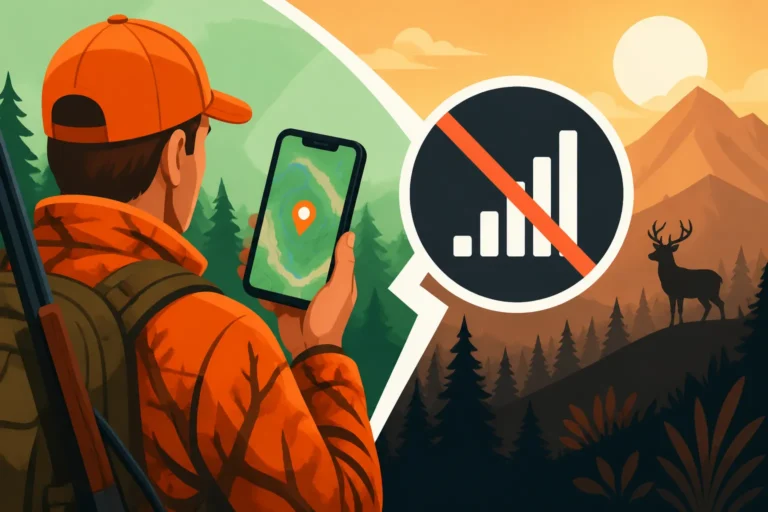
A dedicated GPS unit or a robust mapping app like onX Hunt or GoHunt on your smartphone is invaluable. These tools allow you to pinpoint your location, track your movement, mark waypoints (like your truck, stand location, or a downed animal), and see property boundaries clearly. Always download offline maps before you head out, as cell service can be unreliable in many remote or marshy areas. GPS Units Versus Phone Apps discusses the pros and cons of each. Always carry a portable power bank to keep your devices charged. For group hunts, especially deer drives, two-way radios can be a lifesaver for coordinating movements and staying in touch, particularly where terrain or distance makes shouting ineffective. Two-Way Radios on a Deer Drive provides tips for using these tools effectively. Never rely solely on technology; a compass and a printed map are excellent backups, and knowing how to use them can prevent serious issues if your electronics fail.
Water Safety and Ethical Hunting Practices
Safety, especially on or near the water, must always be your top priority when hunting the Lake Champlain shoreline. If you're using a boat for waterfowl hunting or to access a deer stand, always wear a personal flotation device (PFD) and ensure it's in good working order. Carry all required safety equipment, including lights for low-light conditions, a whistle, and an anchor. Check weather forecasts meticulously, as the lake can become rough very quickly, making small boats dangerous.
Beyond water safety, ethical hunting practices are paramount. Always know and respect private land boundaries; a good mapping app is critical for this. Be aware of other users of public land, including hikers, bird watchers, and anglers, and always give them ample space. Recovering downed game efficiently is a moral and legal obligation. If hunting waterfowl over water, ensure you have a plan and the means (a dog, a small boat) to retrieve your birds. Adhere strictly to New York Legal Shooting Hours and bag limits. Clean up all spent shells, trash, and equipment. Leave no trace. These practices ensure the continued access and positive perception of hunting for everyone.
Disclaimer
This article is for general informational purposes only and does not constitute professional advice. Laws, prices and regulations vary by location and change over time. Consult a qualified professional for guidance on your specific situation.