Layering for a New York Deer Stand
There's nothing quite like the crisp air of a New York autumn or a biting winter chill from a deer stand, is there? But that magical feeling can quickly turn to misery if you haven't mastered the art of layering. Many of us have shivered through a morning sit, or worse, sweated out of our clothes during a midday warm-up, only to feel a bone-deep chill later. This guide is all about helping you stay comfortable, focused, and ultimately, successful, by breaking down the perfect layering system for every New York deer stand scenario.
The Philosophy of Layering: Why It Matters in New York
Hunting in New York means facing a dynamic environment. One day, you might be sweating in October's Indian summer, and the next, you're bundled against a surprise November snowfall. The key to enjoying your time afield, staying alert, and not cutting your hunt short due to discomfort is a well-thought-out layering system. It’s not just about piling on clothes; it’s about strategic choices that allow you to adapt to whatever Mother Nature throws at you.
Understanding New York's Volatile Weather
New York weather is famously, or infamously, unpredictable. You can start your day with frost on the windshield, experience a significant warm-up by noon, and then have a cold front roll through by late afternoon, bringing wind or even rain. This isn't just a minor inconvenience; it's a critical factor that impacts your hunt. If you're over-dressed and sweat, that moisture will chill you to the bone when temperatures drop or the wind picks up. If you're under-dressed, you'll be constantly fidgeting, losing focus, and eventually, heading back to the truck.
Think about those early archery mornings in the Southern Zone. The air is often still and cool pre-dawn, but as soon as the sun breaks the horizon and climbs, temperatures can rise dramatically. A few weeks later, during the peak of Hunting the Rut in the Southern Zone, you might face frosty mornings that barely break freezing, followed by a bright, sunny afternoon. Then, come late season, especially during New York's Southern Zone Firearm Season or when trying out Muzzleloader Tactics in December Cold, you're looking at sustained cold, snow, and biting winds. Your clothing needs to be a versatile tool, not just a static barrier against the cold.
The Core Principle: Adaptability is Key
The beauty of layering lies in its adaptability. Instead of one heavy, bulky garment, you use multiple thinner layers that can be added or removed as conditions change or as your activity level fluctuates. This allows you to fine-tune your personal microclimate. When you're walking in to your stand, you can shed a layer to avoid overheating and sweating. Once you're settled in your stand, you can add those layers back to retain warmth while stationary.
This strategic approach also lets you mix and match different fabrics and insulation types to optimize for specific conditions. For example, during a damp, chilly day, you might prioritize waterproof outer layers and moisture-wicking base layers. On a dry, bitter cold day, maximum insulation will be your focus. Using tools like the GoHunt app for detailed weather forecasts and topographical maps can help you anticipate these changes and plan your layers accordingly before you even leave the house. Knowing the terrain you'll traverse to get to your stand, perhaps using information gleaned from Scouting With the New York HuntFishNY App, helps you gauge how much exertion, and therefore how much potential sweat, you'll generate.
The Base Layer: Your First Line of Defense
Your base layer is arguably the most critical component of your layering system. It’s the layer directly against your skin, and its primary job is not necessarily to provide warmth, but to manage moisture. Ignoring this can lead to uncomfortable, even dangerous, situations in the field.
Material Matters: Synthetics vs. Merino Wool
When it comes to base layers, you essentially have two excellent choices: synthetic fabrics or merino wool. Both excel at wicking moisture away from your skin, but they do so in different ways and have distinct advantages and disadvantages.
Synthetics, often made from polyester or polypropylene, are fantastic at rapidly moving moisture. They dry quickly, are durable, and generally more affordable. They can be a great choice for higher-exertion activities or when you anticipate getting wet, as they retain very little water and dry on the go. However, a common complaint is that they can start to smell pretty quickly after a few days of hard use without washing. If you're on a multi-day trip in the backcountry or plan to wear the same base layer for several morning hunts, this can become an issue. Despite the odor, their performance in active situations is hard to beat, particularly if you know you'll be working up a sweat getting to your stand on a particularly long hike through thick cover.
Merino wool, on the other hand, is a natural fiber that offers superior odor resistance and an incredible warmth-to-weight ratio, even when damp. It's naturally antimicrobial, meaning you can wear it for days on end without it smelling like a locker room. While it doesn't dry quite as fast as synthetics, it has the unique ability to still insulate when wet, which is a massive advantage in cold, damp New York conditions. The downside is typically a higher price point and potentially less durability than some synthetics, though modern merino wool products are increasingly robust. For long, static sits, especially in the late season, merino wool is often the preferred choice for its comfort and consistent warmth. For a deeper dive into these materials, check out Wool Versus Synthetics in Wet Snow.
Fit and Function: Wicking Away Moisture
Regardless of the material you choose, the fit of your base layer is paramount. It needs to be snug against your skin – not constricting, but without excessive baggy material. This close contact is what allows the fabric to effectively wick sweat away from your body. If it's too loose, air pockets can form, and the moisture won't be drawn away from your skin as efficiently, leaving you feeling damp and clammy.
When you're walking into your stand in the pre-dawn dark, even a short hike can generate significant body heat. If your base layer isn't doing its job, that sweat will sit on your skin. As soon as you stop moving and the ambient temperature drops, that moisture will rapidly cool, drawing heat directly from your body. This is a surefire way to get cold, fast. A good base layer, working in conjunction with your other layers, will transport that moisture outward, allowing it to evaporate from the surface of your outer layers rather than from your skin. Always consider a long-sleeved top and matching bottom for maximum coverage and warmth, especially if you plan to be out during the colder parts of the season. Base Layers for a New York November are particularly important when the temperatures consistently dip below freezing.
The Mid-Layers: Insulation for the Chill
Once you've got your moisture-wicking base layer squared away, it's time to think about insulation. Mid-layers are designed to trap warm air, creating a thermal barrier that keeps your body heat close to you. This is where you really start to dial in the warmth for those long, still hours in the stand.
Fleece, Down, and Synthetic Insulations
The world of mid-layers offers a fantastic array of options, each with its own benefits.
Fleece is a common and popular choice for mid-layers, and for good reason. It's relatively inexpensive, comes in various thicknesses (from thin microfleece to heavy shearling), is breathable, and provides good warmth even when slightly damp. It's also quiet, which is a huge plus when you're trying to remain undetected in a quiet woodlot. However, it can be bulky for its warmth compared to other options and doesn't offer much wind resistance on its own. It's a workhorse for many hunters, especially during the early and mid-season when the chill isn't quite as severe. A couple of thin fleece layers can often outperform one thick one, allowing for more precise temperature regulation.
Down is the king of warmth-to-weight ratio. A lightweight down jacket can provide incredible insulation, making it ideal for extremely cold, dry conditions. It's highly compressible, meaning it packs down small in your backpack, making it easy to carry in and out of your stand. The major drawback with traditional down is its vulnerability to moisture. Once wet, down loses its loft and, consequently, its insulating properties. Modern treated downs offer some water resistance, but it's still best reserved for dry cold.
Synthetic insulations like Primaloft, Thinsulate, or similar proprietary fills are designed to mimic down's performance while excelling in wet conditions. Unlike down, synthetic insulation retains much of its warmth even when wet, making it a reliable choice for variable New York weather that often includes rain, freezing rain, or wet snow. They offer a good warmth-to-weight ratio, though generally not quite as good as high-quality down, and they are also quite compressible. Synthetics are often a fantastic compromise for overall versatility in the often-damp cold of a New York deer season. Brands like GoHunt often feature gear with excellent synthetic insulation options, and checking out their gear reviews can help you choose the right product.
Strategic Placement for Core Warmth
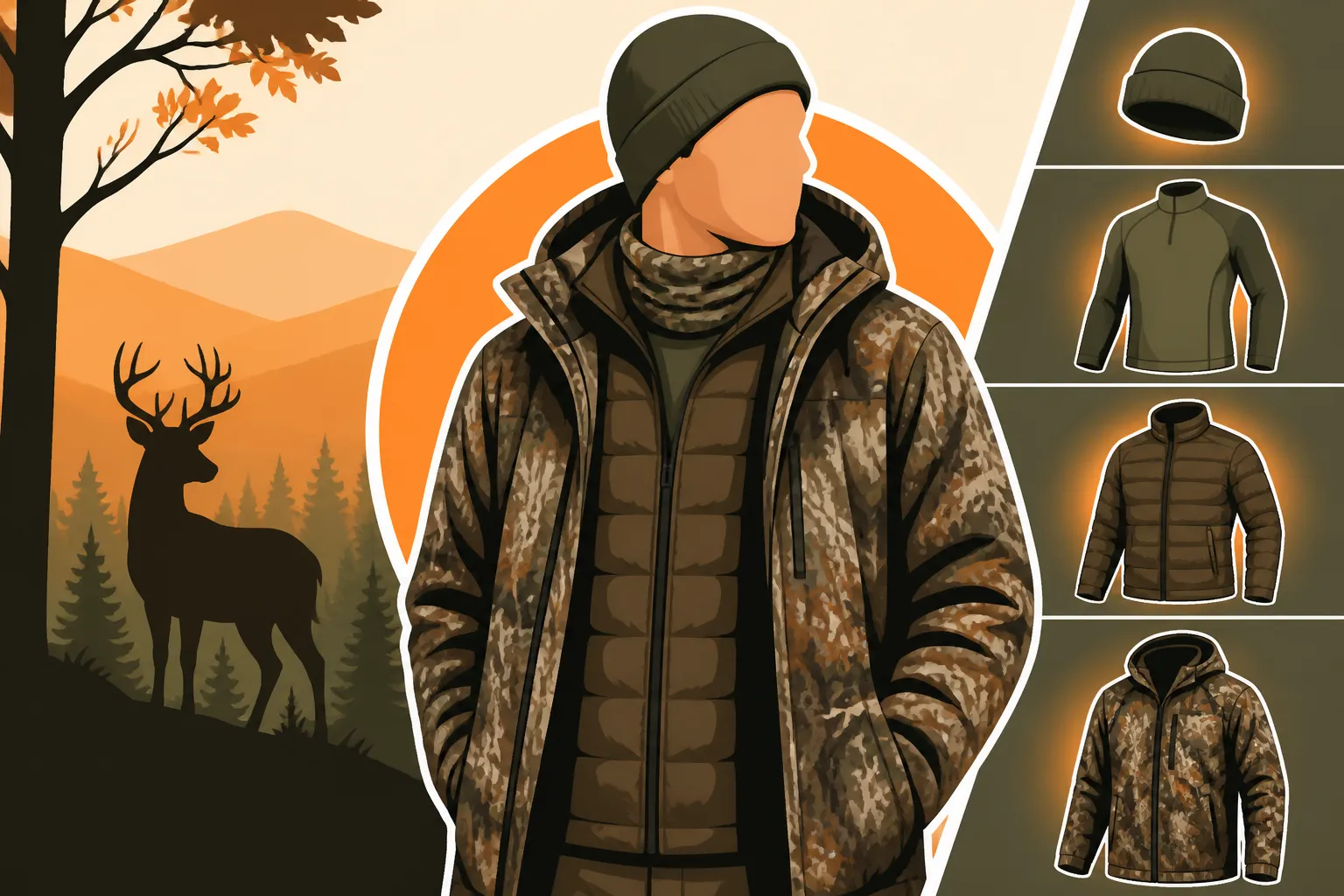
When it comes to mid-layers, it's not just about what you wear, but where and how you wear it. Focus on keeping your core warm, as this is where your body generates most of its heat, and where your vital organs need protection from the cold. A good strategy is to have at least two mid-layers of varying thickness. For instance, a thin fleece vest or jacket directly over your base layer, followed by a puffier synthetic or down jacket. This allows for greater flexibility.
On the walk in, you might only wear the thin fleece to avoid sweating. Once you're in the stand, quietly pull out your heavier mid-layer from your pack and put it on. This way, you arrive at your stand cool and dry, and then bundle up for the sedentary wait. Remember, air trapped between layers is what provides the insulation, so ensure your mid-layers aren't overly compressed by a too-tight outer shell. This strategic layering is especially crucial when you're trying to execute a Cold-Weather Sitting Strategy in New York during the late season when temperatures can plummet and staying warm for hours is a real challenge.
The Outer Shell: Protection from the Elements
Your outer shell is the protective armor of your layering system. It's the barrier that shields you from wind, rain, and snow, preventing those elements from compromising the warmth generated by your base and mid-layers. Without a good outer shell, even the best insulation can become useless.
Waterproofing and Windproofing for Stand Hunters
New York weather, particularly in the fall and winter, can be incredibly damp. Rain, sleet, wet snow, or even just persistent mist can quickly soak through non-waterproof clothing, leading to a rapid loss of body heat. That's why a quality waterproof and windproof outer shell is non-negotiable for serious deer hunters. Look for jackets and pants made with waterproof-breathable membranes. These fabrics are designed to block external moisture while still allowing internal moisture (sweat vapor) to escape, preventing that clammy feeling inside your clothing.
Wind is another silent killer of warmth. Even on a relatively mild day, a sustained breeze can dramatically increase the rate at which your body loses heat through convection. A good windproof shell will stop this cold, allowing your insulating layers to do their job effectively. When choosing your outer shell, think about seams: they should be taped or sealed to prevent water ingress. Zippers should also be waterproof or have storm flaps to keep moisture out. For more specific considerations, especially during unpredictable weather, checking out options for Rain Gear for a New York Downpour can be very helpful.
Noise Factor and Camouflage for Stealth
Beyond protection from the elements, a critical consideration for a hunting outer shell is its noise profile and camouflage pattern. Many waterproof materials can be stiff and noisy, especially in cold temperatures, which is the last thing you want when a wary buck is approaching your stand. Look for fabrics that are soft, quiet, and have a brushed finish to minimize rustling. Try walking around in the garment and rubbing the arms together in the store to get a sense of its noise level.
Camouflage is also important, although its precise impact is often debated. The primary goal is to break up your outline and blend into the environment. New York offers diverse terrain, from the dense hardwoods of the Catskills to the pines of the Adirondacks and the farmlands of the Southern Tier. Choose a pattern that generally matches the type of habitat you'll be hunting most often. While deer rely heavily on scent and movement, good camo can still provide an edge, especially if a deer is looking directly at your stand. Pay attention to how the pattern looks in different lighting conditions – from deep shade to bright sun – and how well it disrupts your human form.
Extremities: Don't Forget Your Head, Hands, and Feet
It's easy to focus on your torso, but if your head, hands, or feet get cold, you'll be miserable no matter how warm your core is. These areas have a high surface area to volume ratio or are critical for comfort and function, making them priorities for proper layering.
Headwear: Caps, Beanies, and Balaclavas
You lose a significant amount of body heat through your head, so keeping it covered is essential for overall warmth. A simple baseball cap is fine for early season to keep sun out of your eyes and mild chill off, but as temperatures drop, you'll want something more substantial.
A beanie made of wool or fleece is a fantastic choice for most of the season. It traps heat effectively and can be pulled down over your ears. Look for one that's quiet and fits snugly. For truly bitter cold or windy days, especially when you're sitting still for hours, a balaclava is invaluable. It covers your head, ears, neck, and can be pulled up over your nose and mouth, providing protection from windburn and frostbite. Some balaclavas are thin enough to wear under a beanie, offering a dual layer of warmth and versatility. Having several options in your pack, perhaps a thin merino balaclava from GoHunt and a heavier fleece beanie, allows you to adapt instantly as conditions change.
Hand Protection: Gloves, Mitts, and Liners
Keeping your hands warm enough to operate your bow or rifle, but nimble enough to load a round or draw an arrow, is a delicate balance. A multi-layered approach works best here too.
Start with a thin, moisture-wicking glove liner. These can be merino wool or synthetic and provide a surprising amount of warmth while allowing for dexterity. They also prevent your hands from getting clammy inside heavier outer gloves. Over the liners, you can use a mid-weight fleece glove or a dedicated hunting glove that offers some insulation and grip.
For extreme cold, particularly when you're stationary, mittens are superior to gloves for warmth because they allow your fingers to share warmth. Many hunters will carry a pair of warm mittens that they can slip their hands into during periods of inactivity, then remove them and rely on their thinner gloves or liners when they need to shoot. Some specialized hunting mittens have a magnetic or flip-back top, allowing quick access to your trigger finger without fully removing the mitten. Don't forget some Hand Warmers That Last a Full Sit to slip into your gloves or pockets on those truly frigid mornings.
Footwear: Socks and Boots for All-Day Comfort
Cold feet will ruin a hunt faster than almost anything else. It's a horrible feeling that creeps up and makes you feel miserable from the ground up.
Start with your socks. Avoid cotton at all costs; it holds moisture and will make your feet cold. Opt for merino wool or high-quality synthetic blend socks. A common strategy is to wear a thin liner sock (again, wool or synthetic) to wick moisture, followed by a thicker, insulated wool sock. Ensure your socks aren't so thick that they constrict your feet inside your boots, as this will cut off circulation and actually make your feet colder.
Your boots are the final piece of the puzzle. For New York deer hunting, you need waterproof, insulated boots. The level of insulation (measured in grams, e.g., 400g, 800g, 1200g) will depend on the season and your personal tolerance for cold. For early season, less insulation is fine, but for late November and December hunts, 800g to 1200g of insulation is often necessary. Ensure your boots fit well, with enough room for your layered socks without being too loose, which can cause blisters. A sturdy sole with good traction is also vital for navigating uneven or slippery terrain. Dive deeper into selecting the right footwear with Insulated Boots for All-Day Sits.
| Layer Type | Primary Function | Material Options | Key Considerations |
|---|---|---|---|
| Base Layer | Moisture Management | Merino Wool, Synthetics | Snug fit, wicking ability, odor resistance |
| Mid-Layer | Insulation | Fleece, Down, Synthetics | Warmth-to-weight, compressibility, quietness |
| Outer Shell | Environmental Protection | Waterproof-Breathable | Waterproof, windproof, quiet fabric, camouflage |
| Headwear | Heat Retention | Wool, Fleece | Coverage (ears, neck), quiet, balaclava option |
| Handwear | Dexterity & Warmth | Liners, Gloves, Mittens | Dexterity, warmth balance, quick access for shooting |
| Footwear | Warmth & Dryness | Wool/Synthetic Socks, Insulated Boots | Moisture-wicking socks, waterproof, appropriate insulation |
Seasonal Adjustments and Advanced Tactics
Layering isn't a one-size-fits-all solution; it's a dynamic system that needs to be adapted to the specific demands of the season and your hunting style.
Early Season: Light and Breathable
When New York's archery season opens, often in early October, temperatures can still be quite mild, even warm. The primary challenge isn't extreme cold, but rather managing sweat to avoid being clammy and then cold later in the morning. For this period, focus on lighter base layers (even short sleeves for the walk in, then adding a long-sleeve over it for the stand), minimal mid-layers, and a breathable, quiet outer shell that offers some wind protection and perhaps light rain resistance.
You might only need a lightweight merino wool shirt as a base, with a thin fleece vest or jacket that you can easily shed or put on. The emphasis is on breathability and moisture transfer. Early mornings can still be cool, so a light beanie for the walk in and the first hour in the stand is smart. The real danger here is over-dressing and sweating on the hike in, so consciously under-dress for the walk, carrying your outer layers in your pack. As the sun climbs, you'll be peeling off layers, not shivering.
Late Season: Maximum Insulation and Heat Retention
As November transitions into December and the hunting calendar reaches Hunting the Southern Zone Holiday Hunt or New York Muzzleloader Season Tactics, the game changes. Sustained cold, often accompanied by snow or freezing rain, becomes the norm. This is when your full arsenal of insulation comes into play.
Your base layers should be mid-to-heavyweight merino wool or synthetic. For mid-layers, you might be looking at a thicker fleece combined with a robust synthetic puffy jacket. Your outer shell needs to be fully waterproof, windproof, and durable enough to withstand brush and snow. Don't skimp on the insulation in your boots – 800g to 1200g is often necessary, especially for all-day sits. Full balaclavas, heavy mittens, and hand warmers become essentials. Remember that good circulation is vital; make sure your layers aren't so tight that they restrict blood flow, especially in your feet and hands. A smart approach is to pack an extra heavy puffy jacket or vest in your pack, specifically to put on once you've reached your stand and cooled down.
The Pack-In/Pack-Out Strategy
This is an advanced but highly effective layering tactic. The idea is to intentionally under-dress for your walk to the stand, especially if it's a strenuous hike or a long distance. You might wear just your base layer and maybe a very light mid-layer while walking, even if it feels a bit chilly at the truck. Your heavier insulating layers and your outer shell are carried in your hunting pack.
The goal is to avoid sweating at all costs during the exertion of the walk. Sweat will inevitably lead to cold later. Once you arrive at your stand, cool down for a few minutes, then quietly and slowly add your insulating layers and outer shell. This ensures you start your sit warm and, more importantly, dry. The same principle applies in reverse: before you start your walk back to the vehicle, shed your outer layers and some insulation. This helps regulate your body temperature on the way out, preventing discomfort and reducing post-hunt laundry. This strategy also means you need a good pack, perhaps one from GoHunt, that can comfortably carry your extra layers and other essentials to and from your stand, especially if you're navigating challenging terrain after dark with the help of GPS Units Versus Phone Apps.
Disclaimer
This article is for general informational purposes only and does not constitute professional advice. Laws, prices and regulations vary by location and change over time. Consult a qualified professional for guidance on your specific situation.