Keeping Powder Dry in Wet Snow
There’s nothing quite like the crisp air and hushed woods of a New York winter hunt, especially when you’re out with a muzzleloader. But let's be real, that beautiful, tranquil snow can quickly turn into a hunter's worst nightmare when it starts melting or turning into sleet, threatening to drown your powder and silence your shot. This guide is all about tackling that exact frustration, giving you the practical strategies to keep your muzzleloader firing true, even when the weather turns against you.
The Unique Challenge of Muzzleloaders in New York's Winter
Hunting with a muzzleloader in New York’s late seasons or during a cold snap in December offers a special kind of challenge and reward. It connects you to a more traditional form of hunting, demanding patience and precision. However, these very tools, with their exposed powder and open ignition systems, are uniquely vulnerable to the one thing winter is famous for: moisture. We’re not just talking about heavy downpours, but the insidious creep of melting snow, freezing rain, and even persistent fog that can render your firearm useless in a critical moment.
Why Muzzleloaders Are So Vulnerable
Think about your modern centerfire rifle – a sealed cartridge, a closed bolt, and often a fairly weather-resistant design. Now picture your muzzleloader. Whether it's a traditional flintlock or a more modern inline, you're dealing with a system where the powder charge, and sometimes the primer, is far more exposed. A flintlock’s pan is openly susceptible, and even an inline’s breech plug can invite moisture if not properly sealed. It's not just the direct hit from a snowflake or a raindrop; it's the condensation that can form inside the barrel when moving from a warm truck to the cold outdoors, or the slow seep of meltwater from tree branches above. That black powder, or even modern substitutes, can turn into a clumpy, inert mess with just a tiny bit of moisture, leading to a hangfire or, worse, a complete misfire right when that buck you've been after steps into view.
Imagine spending hours still-hunting through a snow-laden forest, carefully picking your way along a ridge, only to have a single drop of meltwater fall into your nipple or flash hole. That's all it takes. The frustration isn't just about missing a shot; it's about all the effort, planning, and anticipation that goes into a hunt, only to be foiled by something as simple as water. New York's diverse weather patterns, from the lake-effect snow of the Tug Hill Plateau to the persistent dampness of the Catskill Mountains, mean you’ll encounter plenty of opportunities for moisture to mess with your hunt.
Understanding New York's Winter Conditions
New York's winter weather isn't just cold; it's often a complex mix of freezing, thawing, and refreezing that creates prime conditions for moisture problems. You might start your day with dry, fluffy snow, only for temperatures to climb just enough to create a wet, heavy snow or sleet. Then, as evening approaches, the temperature plummets again, turning everything to ice. This constant fluctuation makes it incredibly challenging to keep your gear dry. The damp air alone, without direct precipitation, can be enough to compromise your powder over a long day in the stand.
Consider late-season hunts where Muzzleloader Tactics in December Cold are crucial. You might be dealing with heavy, wet snow sticking to everything, or a drizzly mix that soaks through clothes and gear. In areas like the Southern Tier, late archery and muzzleloader seasons can extend into weeks where the ground might be snow-covered one day and muddy the next, with the air thick with dampness. The very trees you rely on for cover can become conduits for melting snow to drip right onto your barrel. Understanding these dynamic conditions is key to anticipating problems and taking proactive steps. You can't control the weather, but you can control how prepared you are for it.
Pre-Hunt Preparation: Your First Line of Defense
Before you even step out the door and certainly before you load your muzzleloader, a significant amount of preparation can go into waterproofing your setup. This isn't just about protecting your firearm on the day; it's about building a reliable system that can withstand the worst that a New York winter can throw at it. Overlooking these steps is like inviting trouble.
Choosing the Right Muzzleloader Components
It all starts with the components you choose. If you're buying a new muzzleloader with winter hunting in mind, look for features that minimize exposure. Inlines are generally better than traditional side-hammers for weather resistance, but even within inlines, there's a spectrum. Some models feature tighter tolerances around the breach plug and more protected ignition systems. When it comes to primers, opt for specialized waterproof or "magnum" primers designed for all-weather performance. These can offer a crucial layer of protection against dampness seeping into the primer cup.
Also, consider your powder. While traditional black powder is fantastic, modern black powder substitutes like Pyrodex or Triple Seven often boast better moisture resistance. Regardless of your choice, ensure it's fresh and stored in a completely dry, airtight container until you're ready to load. If you're loading pellets, ensure they are not crushed or compromised, as this can affect burn rates and introduce more surface area for moisture absorption. For sabots, choose well-fitting, high-quality options that create a good seal in the barrel, preventing moisture from traveling down between the bullet and the bore. Every small detail, from the fit of your bullet to the integrity of your primer, contributes to your muzzleloader's overall weather resilience.
Waterproofing Your Breech and Action
This is where the rubber meets the road. Your breech area – where the primer sits and ignites the powder – is the most critical point to protect. For inline muzzleloaders, a common and highly effective method is using a small piece of electrical tape or even stretched-out surgical tubing over the primer or primer cap. Ensure it creates a tight seal, but can be quickly and silently removed when it's time to take a shot. Some hunters even use a dab of silicone grease or a specialized wax around the primer, though you need to be careful not to get any into the primer or flash hole.
For traditional cap-and-ball or flintlock systems, the challenges are greater. Flintlock pans need tight-fitting covers, and you might even consider a small amount of fine, waterproof priming powder (if legal and safe to do so) on top of your main charge. Percussion caps should be snug-fitting, and you can add a piece of tape over the cap and nipple to shield it. The goal is to create a temporary, removable barrier against water while maintaining the ability to fire quickly. Before you head into the field, practice removing these covers silently and efficiently. Nothing is worse than fumbling with tape when that trophy buck is staring at you.
Here's a quick comparison of common methods:
| Method | Muzzleloader Type | Pros | Cons | Notes |
|---|---|---|---|---|
| Electrical Tape | Inline, Percussion | Excellent seal, easily removed, inexpensive | Can leave residue, may be noisy if not careful | Practice removal for speed and silence. |
| Surgical Tubing | Inline, Percussion | Very flexible, snug fit, good seal | Can be harder to find, may require stretching to fit | Cut to size for a tight, custom fit over primer/cap. |
| Breech/Nipple Cover | Inline, Percussion | Designed specifically for protection, reusable | Can be bulky, may not be perfectly watertight in heavy rain | Often made of rubber or plastic. |
| Cling Wrap/Saran Wrap | All Types | Very accessible, lightweight, effective as barrier | Fragile, can tear easily, less durable | Good for temporary, light precipitation, wrap barrel and action. |
| Silicone Grease | Breech Plug Threads | Prevents water intrusion into threads | Messy, needs careful application (avoid flash hole) | Best for ensuring breech plug is sealed, not for ignition area directly. |
Packing Essential Field Protection
Your planning doesn't stop at the muzzleloader itself. What you carry with you into the field is just as important. A waterproof muzzleloader cover or case is a must. This could be as simple as a heavy-duty garbage bag slipped over the rifle, or a dedicated soft case designed for weather protection. The key is to have something that can completely encase the critical parts of your muzzleloader when you're not actively hunting, such as during long walks, periods of heavy precipitation, or while sitting in your stand.
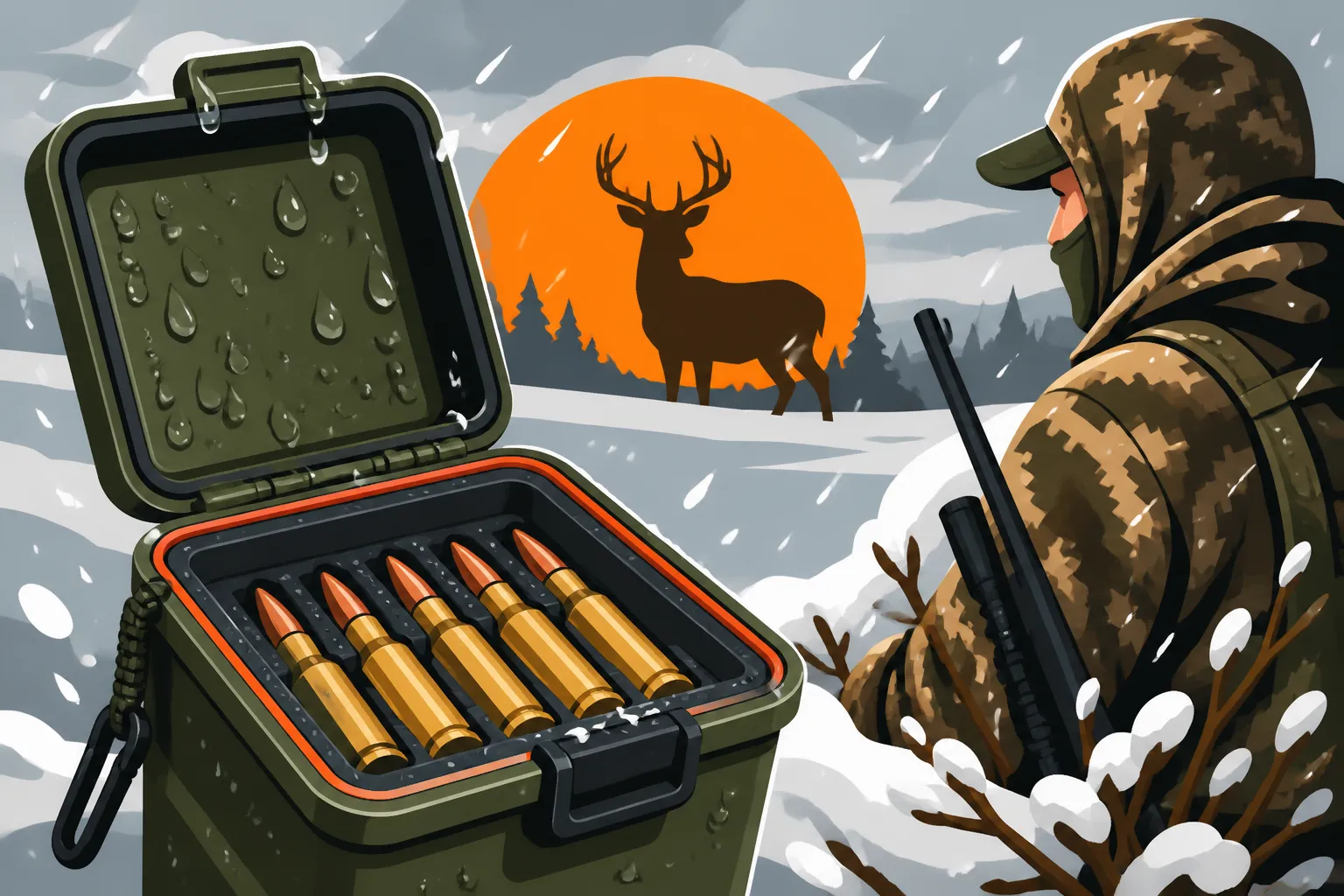
Additionally, always carry extra primers or percussion caps in a small, waterproof container. A small, sealed bag with a few patches and a quick-dry solvent can be a lifesaver for emergencies. Don't forget a small, dry rag to wipe down your muzzleloader. And remember, keeping yourself dry is also crucial for staying focused and effective. Good Cold-Weather Sitting Strategy in New York always involves quality rain gear and waterproof outer layers. Checking the weather on a reliable app, perhaps like the one offered by GoHunt, before you leave the house can give you an edge in anticipating conditions and packing accordingly.
On-Stand and In-Field Strategies for Staying Dry
Once you’re out in the woods, even with all the best preparation, the real test begins. The New York wilderness has a way of finding any weak spot in your defenses. These are the active steps you can take to keep your powder dry and ready for action throughout your hunt.
Shielding Your Muzzleloader from Precipitation
When you're sitting on stand or taking a break, your muzzleloader needs constant protection. If you're in a treestand, angle your muzzleloader to shed water, keeping the muzzle pointed down and the breech protected by your body or a piece of gear. A small, lightweight umbrella or a piece of tarp hung above your stand can offer surprising protection, deflecting dripping snow from branches overhead. When walking, especially through thick brush or falling snow, keep the muzzle pointed down to prevent snow and debris from entering the barrel. Some hunters even use a small piece of electrical tape over the muzzle itself, which can be shot through safely in an emergency, though it’s always better to remove it if you have time.
If precipitation really picks up, don’t hesitate to completely cover your muzzleloader with that waterproof bag or case you brought. It’s better to take a few extra seconds to uncover it for a shot than to have a misfire. Pay close attention to the wind, as even light snow or rain can be driven sideways into exposed areas. If you're still-hunting through deep snow, like what you might find when Hunting Deer in Deep Tug Hill Snow, make sure the action is constantly shielded from contact with snow-laden branches or sudden gusts.
Quick Drying and Emergency Measures
Despite your best efforts, sometimes moisture finds a way. If you suspect your powder might be compromised, or if you've had a hangfire, you'll need to act quickly. First, ensure your muzzleloader is pointed in a safe direction. If you have a hangfire, wait a full 30-60 seconds before taking any further action, as sometimes a delayed ignition can occur. If it doesn't fire, carefully remove the primer or percussion cap.
If you carry a spare breech plug, this is its moment to shine. A fouled or wet breech plug can be swapped out for a clean, dry one in a matter of minutes, effectively giving you a "fresh start" for ignition. Always carry the necessary tools to remove and install a breech plug quickly and quietly. For any exposed metal parts, a quick wipe-down with a dry cloth can prevent surface rust and remove moisture before it works its way deeper. If you find yourself needing to re-load in a pinch, try to do so under the cover of a thick pine tree or your rain gear, using clean, dry components. This is also where a reliable weather forecast, perhaps integrated into a mapping tool like GoHunt, can help you plan your day around the worst of the weather.
Staying Ready for the Shot
The biggest challenge is balancing protection with readiness. You want your muzzleloader to be dry, but you also need to be able to make a shot when the opportunity arises. This means practicing your movements in a safe environment. Can you quickly and quietly remove your primer cover? Can you deploy your muzzleloader from its protective sleeve without alerting game? These small actions can make all the difference.
When you're actively hunting, keep your muzzleloader in a position where you can easily bring it to bear, but still with a degree of protection. If you're leaning it against a tree, ensure the muzzle is pointing down and the breech is off the wet trunk. A good shoulder sling can help keep the muzzleloader close and secure, protecting it from bumps and direct precipitation while allowing for quick target acquisition. Remember, your muzzleloader is an extension of you; treat it with the same care you would your own body in cold, wet conditions. A well-placed shot with a reliable muzzleloader is incredibly rewarding, and keeping it ready for that moment is paramount.
Post-Hunt Maintenance: Ensuring Future Success
The hunt isn't truly over until your gear is properly cleaned and put away, especially after a damp, snowy outing. Neglecting post-hunt maintenance is a surefire way to invite rust, corrosion, and future misfires. This final stage of care ensures your muzzleloader is ready for your next adventure.
Immediate Field Care
As soon as the hunt is done, and certainly before you get back to camp or the truck, take a few minutes for immediate field care. Wipe down the exterior of your muzzleloader with a dry cloth to remove any surface moisture, snow, or mud. Pay extra attention to the breech area, the hammer, and any exposed metal. If you took a shot, or even if you just had a hangfire, remove the breech plug and wipe down the interior of the barrel and the plug itself. This prevents fouling from hardening, which can make a thorough cleaning much harder later on.
If you’re driving home, consider putting your muzzleloader in a soft case rather than a hard, sealed one. Hard cases can trap moisture, leading to condensation and rust as temperatures change. A soft case, especially one designed to breathe somewhat, allows moisture to dissipate without exposing the firearm to damage during transport. This quick action can save you hours of scrubbing later and protect your investment.
Thorough Cleaning and Storage
Once you’re home, the real cleaning begins. Disassemble your muzzleloader according to the manufacturer's instructions. Every part that came into contact with powder or moisture needs a thorough cleaning. Use a high-quality muzzleloader solvent to clean the barrel, breech plug, and any other fouled parts. Scrub diligently until patches come out clean. Pay special attention to the flash hole in the breech plug, ensuring it's clear of any obstruction. After cleaning, dry all parts completely. You can use compressed air or a hairdryer (on a low, cool setting) to ensure every nook and cranny is free of moisture.
Once everything is sparkling clean and bone-dry, apply a light coat of rust-preventative oil to all metal surfaces, inside and out. Reassemble your muzzleloader, ensuring all screws are snug. Store your muzzleloader in a cool, dry place. Avoid storing it in a gun case for extended periods, as this can trap humidity. A gun safe with a dehumidifier or a humidity-absorbing desiccant pack is ideal. Proper Muzzleloaders for a New York December rely on meticulous care after every outing, particularly when facing wet snow. Investing time in this step means your muzzleloader will be reliable and safe for every New York hunting season to come.
Disclaimer
This article is for general informational purposes only and does not constitute professional advice. Laws, prices and regulations vary by location and change over time. Consult a qualified professional for guidance on your specific situation.