Hunting Bears Without Bait in the Catskills
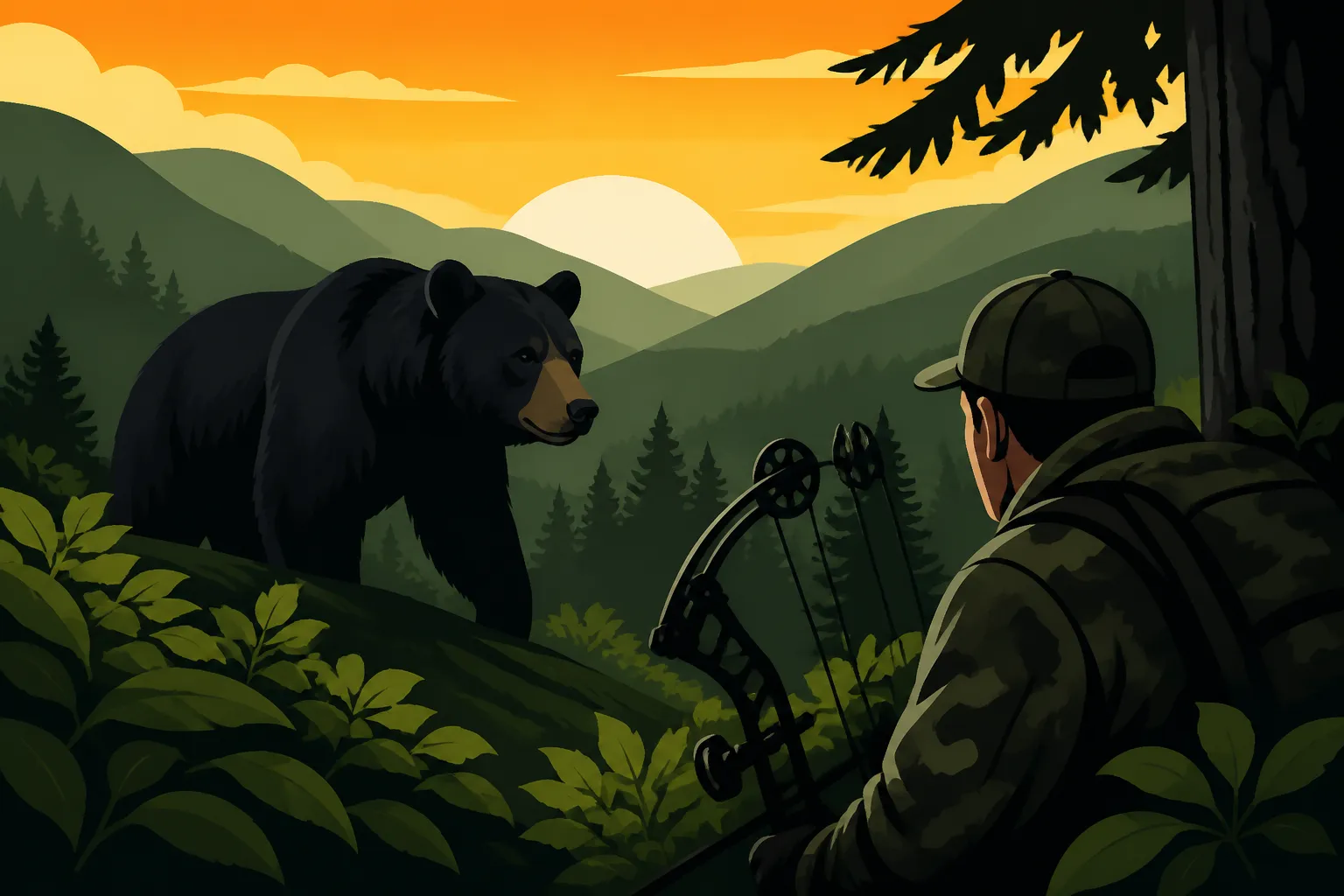
Hunting black bears in the rugged, wild landscape of New York's Catskill Mountains presents a unique and rewarding challenge. Unlike some other regions where baiting is permitted, New York state regulations prohibit the use of bait for bear hunting, forcing hunters to truly understand bear behavior and habitat. If you've ever felt overwhelmed by the sheer size of the Catskills or the difficulty of locating these elusive animals without the aid of a pile of donuts, you're not alone. This comprehensive guide will walk you through proven strategies for successfully hunting bears without bait in the challenging yet bountiful Catskills, helping you unravel the mysteries of these incredible big game animals.
Understanding Catskill Black Bears and Their Habitat
Successfully hunting black bears in the Catskills begins with a deep appreciation for their life cycle, habits, and the specific terrain they call home. These aren't creatures you'll stumble upon by accident very often; they require diligent effort and a keen understanding of their world.
Bear Behavior and Seasonal Movements
Catskill black bears are creatures of habit, driven primarily by their stomachs. Their seasonal movements are directly tied to food availability, which can fluctuate wildly year to year based on weather patterns and mast crop production. In the early fall, as hunting seasons often begin, bears are intensely focused on packing on calories for their winter den. This is their hyperphagic phase, meaning they're essentially eating machines.
You'll find them concentrating on soft mast like blackberries, blueberries, and wild apples through late summer and early fall. As these resources dwindle, their attention shifts to hard mast, primarily acorns from oak trees and beechnuts from beech trees. A poor acorn year can force bears to travel widely in search of food, potentially moving into areas they might not frequent otherwise, including closer to human settlements. Conversely, a bumper crop of acorns might concentrate them in specific oak flats, making them more predictable. Understanding these food cycles is paramount, especially when you can't rely on bait to draw them in. Look for areas with a mix of these food sources, and don't forget about forgotten old apple orchards tucked away in the woods – they can be magnets for bears.
Key Habitat Features in the Catskills
The Catskills, characterized by their steep, forested mountains, deep valleys, and rocky outcrops, offer ideal bear habitat. Black bears here prefer dense, remote cover where they feel secure, especially for bedding and denning. Think thick stands of hemlock, laurel, or mountain rhododendron, often found in steep ravines or on north-facing slopes that retain moisture and provide thermal cover. These areas offer both concealment and relief from summer heat or early season cold snaps.
Water sources are another critical component. Bears, like all wildlife, need access to water, and small streams, seeps, and spring pockets can draw them in, especially during dry spells. Look for these features when scouting, as they can act as natural congregation points. Transition zones, where different forest types meet – say, an oak flat gradually giving way to a dense conifer stand – are also prime spots. These edges often serve as travel corridors and provide both feeding opportunities and nearby cover. The dramatic elevation changes in the Catskills also create distinct thermal drafts, which can influence where bears travel and bed throughout the day, often choosing to bed on leeward slopes or lower elevations in cold weather, and higher, windier spots when it's warm. The extensive Catskill Forest Preserve Deer Ground offers excellent opportunities for bears, often overlapping with prime deer habitat.
Scouting and Locating Bears Without Bait
Without the luxury of bait, effective scouting becomes your most powerful tool in the Catskills. It's about becoming a detective, piecing together clues to understand where bears are, what they're eating, and how they're moving through the landscape.
Reading Bear Sign and Rubs
Walking the woods and actively looking for bear sign is the first step. Scat is one of the clearest indicators, and its freshness tells you how recently a bear was in the area. Fresh scat, still moist, means a bear is likely very close. The contents can also reveal their diet – berry seeds, acorn fragments, or insect casings. Tracks in mud, soft ground, or along stream banks can show you common travel routes. Look for tracks that show distinct heel and toe pads, often larger and more rounded than a deer track.
Beyond tracks and scat, bears leave a variety of other clues. Claw marks high up on trees, particularly beech or apple trees, indicate they've been climbing for nuts or fruit. Overturned rocks and torn-apart logs suggest they've been digging for grubs and insects. Bear trails, often wider and more beaten down than deer trails, can be found in dense cover. Keep an eye out for "rub trees" – usually smaller evergreens or saplings that bears will rub their backs on, leaving hair and scent, especially during the breeding season. These rub trees are essentially nature's signposts, telling you bears are active in the area.
Using Technology and Topographic Maps
Modern technology can significantly enhance your scouting efforts, especially in the vast and often featureless tracts of the Catskills. GPS units or mapping apps on your phone, such as GoHunt, are indispensable for navigation and understanding the terrain. These tools allow you to pinpoint your location, mark bear sign, and track your movements. More importantly, they provide detailed topographic maps and aerial imagery.
Topographic maps help you identify steep ravines, saddles, benches, and creek bottoms that serve as natural funnels or travel corridors for bears. You can trace potential routes between feeding areas and bedding cover without ever stepping foot in the woods, saving you valuable time and effort. Aerial imagery, accessible through GoHunt or other platforms, is fantastic for identifying different forest types, clearings, old logging roads, and potential food sources like overgrown orchards or distinct mast crop areas. By overlaying this information, you can predict where bears might be moving. While baiting is out, trail cameras can still be effective when placed on known bear trails, natural pinch points, or near productive mast crops to confirm bear presence and patterns. This non-invasive form of surveillance gives you a huge advantage in understanding their routines.
Still-Hunting and Stalking Strategies
Hunting bears without bait often comes down to covering ground quietly and methodically, employing a combination of still-hunting and spot-and-stalk techniques. These methods demand patience, stealth, and a deep connection to the environment.
Mastering the Art of Still-Hunting
Still-hunting is perhaps the most challenging yet rewarding method for pursuing bears in the Catskills. It involves moving through the woods at an incredibly slow, deliberate pace, taking a few steps, then pausing for several minutes to observe and listen. This isn't just a walk in the woods; it's a mindful progression, absorbing every detail of your surroundings. The goal is to move so quietly that you either spot a bear before it sees you, or you hear it moving through the brush.
Always keep the wind in your favor, as a bear's nose is its primary defense. Moving into the wind or with a crosswind will carry your scent away from the bear's anticipated location. Pay close attention to your footwear – soft-soled boots or even moccasins can reduce noise over fallen leaves and twigs. Focus your efforts on areas identified during scouting as holding key food sources, such as oak ridges or berry patches, and natural funnels where bears are likely to travel. The broken terrain of the Catskills, with its frequent undulations and dense pockets of cover, provides excellent opportunities to sneak within range. Learn to identify the faint sounds of a bear turning over rocks or breaking branches as it feeds.
Spot-and-Stalk in Steep Terrain
The Catskills, with their mix of dense timber and more open hardwoods, particularly on ridges, lend themselves well to spot-and-stalk tactics. This involves finding a high vantage point – often a rock outcropping or a cleared ridge – and using high-quality optics to systematically scan likely bear habitat. Binoculars like a good 10×42 or even a spotting scope can help you pick apart distant slopes, looking for the tell-tale black blob or subtle movement of a feeding bear.
Once a bear is spotted, the real work begins. Planning your approach is critical. Consider the wind direction, the available cover, and the steepness of the terrain. A successful stalk requires using every dip, rise, and patch of cover to your advantage, moving slowly and deliberately. The dense hemlock groves and laurel thickets common in the Catskills can provide excellent concealment, but also make quiet movement difficult. Be prepared for a physically demanding stalk; these animals often feed in areas that are tough to access. Understanding Spot-and-Stalk Tactics for Catskill Bears is essential for closing the distance. Remember that the wind and thermals on a Catskill ridge can be tricky, constantly shifting with the sun and terrain, making your approach even more challenging.
Stand Hunting Natural Food Sources and Funnels
While still-hunting and stalking are active pursuits, sometimes the best approach is to let the bears come to you. Setting up a stand, whether a treestand or ground blind, in a carefully chosen location can be incredibly effective when hunting bears over natural food sources or along established travel corridors.
Identifying Productive Stand Locations
The key to successful stand hunting for bears without bait is identifying locations that bears will visit naturally. This means focusing on their primary drivers: food and security. As mentioned earlier, finding a productive mast crop is like striking gold. Overlooking an acorn flat during a good year, a beech grove with dropping nuts, or a wild apple tree bearing fruit can be incredibly effective. Bears will return to these food sources repeatedly until they are depleted.
Beyond food, bears use the terrain to their advantage. Natural funnels – saddles between ridges, narrow benches along a steep slope, or creek bottoms that offer easy travel through dense cover – are prime locations for a stand. These areas concentrate bear movement, increasing your odds of an encounter. Look for areas where multiple trails converge, or where terrain features force bears into a predictable path between their bedding and feeding areas. During scouting, marking these points with your GoHunt app will help you visualize potential stand placements. Hunting Bears Over Natural Food Sources is a strategy that capitalizes on their instinctual drive.
Treestand and Ground Blind Considerations
When setting up your stand in the Catskills, concealment is paramount. Bears have excellent senses, especially their nose, but also keen eyesight, particularly for movement. If you're using a treestand, aim for a height that puts you above their primary line of sight, typically 20-25 feet in mature timber. Make sure you have good back cover to break up your silhouette. For ground blinds, brushing them in meticulously to blend with the natural surroundings is non-negotiable. Many hunters overlook how crucial a natural appearance is.
Accessibility to your stand and your entry/exit routes are also critical. You need to be able to get to and from your stand without disturbing the area, especially during morning or evening hunts. Plan your routes to minimize scent dispersion and visual disturbance. Remember that bear habits can change quickly based on food availability. Be prepared to move your stand if a particular mast crop runs out or if pressure from other hunters shifts bear movement. Adaptability is a bear hunter's best friend. For Packs Built for a Multi-Day Backcountry Hunt, ensure they are quiet and don't snag on brush during your approach.
Essential Gear and Safety for Catskill Bear Hunting
Hunting bears in the Catskills is an endeavor that demands reliable gear and a serious commitment to safety. The terrain is unforgiving, and a downed bear requires significant effort to recover. Being prepared can make the difference between a successful hunt and a challenging, potentially dangerous situation.
Recommended Firearms and Ammunition
When it comes to firearms for black bears in New York, you need a setup that delivers sufficient power and penetration. While a .243 can technically take a bear, most experienced bear hunters opt for calibers in the .30-06, .308, .30-30, or even larger ranges for rifles. Shotgun hunters using slugs, particularly 12-gauge rifled slugs, also have a potent option, especially in areas where rifle use might be restricted or in thick cover where shots are close.
The choice of ammunition is as important as the caliber. Look for bullets designed for deep penetration and controlled expansion. Heavy-for-caliber, bonded, or monolithic bullets are excellent choices, as they retain their weight and drive through tough hide, muscle, and bone to reach vital organs. Your shot placement on a New York black bear is critical; aim for the lung/heart area, just behind the shoulder, or if quartering away, target the opposite shoulder. Avoid head-on shots unless absolutely necessary and at very close range. Practice regularly with your chosen setup to ensure proficiency and confidence under pressure. For more on proper targeting, read about Shot Placement on a New York Black Bear.
Navigation, Field Dressing, and Recovery Tools
The Catskills are vast, and getting lost or injuring yourself is a real possibility. A reliable GPS unit or a mapping app like GoHunt on your phone (with downloaded offline maps) is non-negotiable. Always carry a compass and a physical map as a backup. A first-aid kit, a powerful headlamp (for tracking after dark), and fire-starting materials are crucial safety items.
Field dressing a bear is a substantial task. You'll need a sharp, durable knife (or two), possibly a bone saw, and game bags to protect the meat, especially on warmer early season days. Bears are large animals, and their fat can spoil quickly if not properly cooled. Recovering a bear, particularly a large one, from a steep Catskill ravine can be incredibly challenging. Consider carrying a deer drag, heavy rope, or even a game cart if the terrain allows for it. Knowing how to quarter a bear in the field can significantly reduce the weight you need to transport. Planning your Entry Routes on Steep Catskill Ground beforehand will greatly assist in the recovery process, and understanding how to effectively handle a bear after the shot will ensure the meat is taken care of properly. Remember to hydrate and pack plenty of high-energy snacks for this physically demanding endeavor.
Understanding New York Bear Regulations and Ethics
Hunting black bears in New York comes with specific regulations designed to manage the population responsibly and ensure ethical hunting practices. Familiarizing yourself with these rules is not just about compliance; it's about respecting the resource and fellow hunters.
Key Regulatory Considerations
The most crucial regulation for Catskill bear hunters is New York's absolute prohibition on baiting bears. This rule shapes every strategy discussed in this guide, emphasizing fair chase and natural hunting methods. Bear season dates vary by zone and method (bow, muzzleloader, firearm), so it's imperative to check the current New York DEC hunting regulations guide for the specific dates that apply to the Catskills (which falls within the Southern Zone for most big game). You can find more details on current timelines by checking New York Bear Season by Zone. Bag limits are typically one bear per hunter per license year, but always verify this information.
Additionally, after harvesting a bear, there are mandatory reporting requirements. You must report your kill to the DEC within a certain timeframe, often through their online reporting system or by phone. Part of these regulations includes the New York Bear Tooth Reporting Rule, where hunters are asked to submit a premolar tooth from their harvested bear. This tooth provides vital data on the bear's age, which is crucial for the DEC to monitor population health and make informed management decisions. These rules are in place because New York's No-Bait Bear Rule is a cornerstone of responsible management.
Ethical Hunting Practices
Beyond the written rules, ethical hunting practices are fundamental to the sport. This means always striving for a clean, humane kill. Responsible shot placement, as discussed earlier, is paramount. Take the time to ensure you have a clear shot at the vital zone, and if conditions aren't ideal, wait for a better opportunity. Wounding an animal and losing it is a heartbreaking and avoidable outcome.
If you make a shot, diligently track the bear. Even if the shot felt perfect, always assume it wasn't and track thoroughly. Bears can travel surprising distances after a fatal hit. Respect for the animal extends to its proper care after the harvest, ensuring the meat is processed and utilized, and no part of the animal is wasted. Furthermore, ethical hunting involves respecting the land, whether public or private, and other hunters. Leave no trace, pack out all your trash, and be considerate of others enjoying the outdoors. By adhering to these ethical principles, we ensure the future of hunting and the health of New York's black bear population.
| Bear Sign Type | What It Indicates | Preferred Location to Find It |
|---|---|---|
| Scat | Recent presence, diet, freshness (wet/dry) indicates how long ago the bear was there. | Trails, logging roads, base of feeding trees (oak, apple, berry). |
| Tracks | Travel routes, size of bear, direction of movement. Often found in soft earth, mud, or snow. | Stream banks, muddy trails, near water sources, soft soil areas. |
| Claw Marks | Bears climbing trees for food (nuts, fruit) or for security. Often found on beech, oak, or wild apple trees. | Mast-producing trees, especially older, larger ones. |
| Rub Trees | Bears rubbing their scent and hair. Can be for marking territory or during breeding. | Smaller conifers or saplings along travel corridors. |
| Overturned Rocks/Logs | Bears foraging for insects, grubs, or small mammals. Indicates active feeding. | Dense woods, near decaying logs, rocky areas. |
| Excavated Dens | Areas where bears have overwintered or are preparing to den. Can be hollow logs, rock crevices, or brush piles. | Steep, sheltered slopes, dense cover, rocky outcrops. |
| Broken Branches | Bears feeding on berries, nuts, or stripping bark. Can indicate recent feeding activity. | Berry patches, mast stands, areas with saplings or young trees. |
Disclaimer
Please note that hunting regulations, season dates, and specific rules can change annually. It is your responsibility to consult the most current New York State Department of Environmental Conservation (DEC) hunting guide and any local regulations before heading into the field. This guide offers general information and strategies, but always prioritize official DEC publications for accurate and up-to-date rules.