Pheasant Hunting a Fencerow Edge
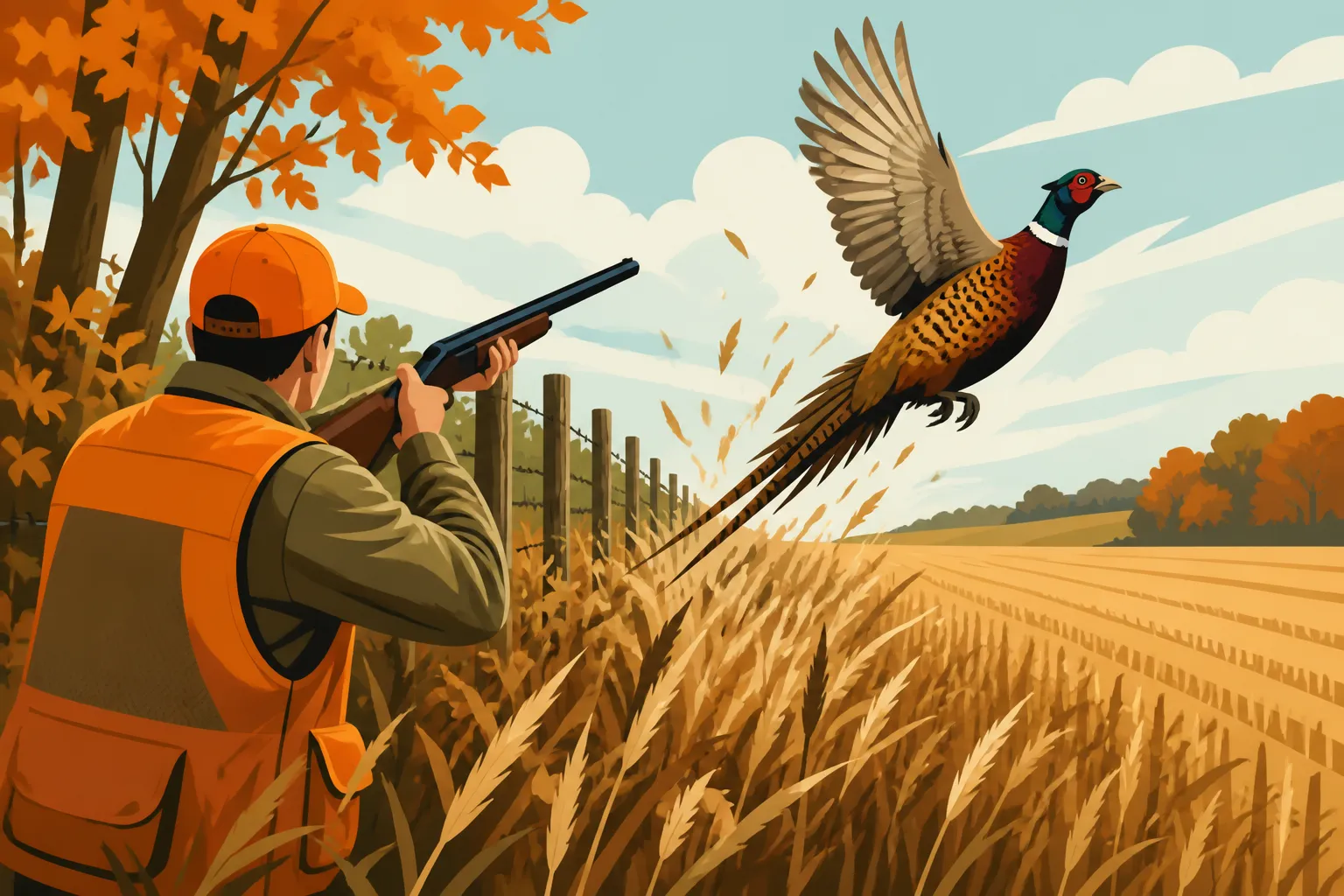
Hunting pheasants in New York can sometimes feel like chasing ghosts, especially if you're venturing beyond the well-known stocked areas. It’s easy to get discouraged when you walk miles of seemingly perfect cover without a single flush. But many hunters overlook one of the most consistent pheasant magnets, particularly on farm country edges: the humble fencerow. These linear strips of cover often hold more birds than you'd imagine, providing crucial shelter, food, and travel lanes that make them prime hunting real estate if you know how to work them right. This guide will walk you through the nuances of targeting pheasants along these overlooked corridors.
Why Fencerows are Pheasant Hotspots
Fencerows, often just narrow lines of brush, saplings, and weeds that divide fields or mark property boundaries, might not look like much at first glance. However, for a wily pheasant, they offer a lifeline in agricultural landscapes that can otherwise feel exposed. Understanding why pheasants gravitate to these edges is key to successfully hunting them. It’s not just random; there’s a biological and behavioral reason for their preference.
Providing Essential Cover and Shelter
Imagine you're a pheasant, a ground-dwelling bird in an open field. You need protection from aerial predators like hawks and owls, and ground predators such as foxes and coyotes. You also need respite from the elements – harsh winds, driving rain, or heavy snow. This is where fencerows shine. They offer a dense, linear cover that provides immediate refuge.
These narrow strips often grow thicker and taller than the surrounding field edges, creating an overhead canopy that offers concealment from above. The tangled undergrowth, briars, and low-hanging branches create a physical barrier, making it harder for predators to move quickly or pinpoint a hiding pheasant. In winter, the brush within a fencerow can catch snow, creating insulating pockets that help pheasants conserve energy, or provide bare ground for foraging when the fields are blanketed. Hunters often make the mistake of focusing only on large blocks of cover, but pheasants are incredibly adept at disappearing into surprisingly small patches. A good, thick fencerow can be just as effective as a much larger block of brush in holding a bird, especially on a cold or windy day.
Connecting Food Sources and Roosting Areas
Pheasants are opportunists when it comes to food, and agricultural fields provide a buffet of options, from waste grain in cornfields to seeds from various weeds. However, they rarely spend all their time exposed in the middle of these fields. Fencerows act as vital travel corridors, allowing pheasants to move safely and unseen between feeding areas, roosting spots, and water sources.
Consider a long fencerow bordering a cornfield on one side and a soybean field on the other. Pheasants might feed in the cornfield during the morning, then retreat to the safety of the fencerow for the midday lull, and later move into the soybeans for different food sources. The fencerow itself can also be a food source, offering seeds from weeds, berries from brush, and insects. They'll often follow these lines, sometimes for hundreds of yards, to get where they're going. This behavior is crucial for hunters because it means if you find a fencerow that connects these different elements, you're likely to find birds using it as their daily highway. Using mapping tools like GoHunt, you can often identify these prime connections by looking at the aerial imagery of farmlands and adjacent cover. Knowing the pheasant's daily routine and preferred travel routes can dramatically increase your success rate.
Scouting Fencerows for Pheasant Sign
You wouldn't just wander into the woods hoping to stumble upon a deer, and the same discerning approach should apply to pheasant hunting. Simply seeing a fencerow isn't enough; you need to scout for specific signs that indicate pheasants are actively using it. Effective scouting, whether done before the season or on the fly, separates the lucky flushes from consistent success. This is particularly true for pheasants, which can be surprisingly elusive even when present.
Pre-Season Reconnaissance
Before hunting season officially kicks off, or even before a specific hunt, take some time to walk or drive potential fencerows. This pre-season reconnaissance can provide invaluable clues without the pressure of having your shotgun in hand. Look for physical indicators of pheasant activity, even if the birds themselves aren't visible. Tracks in dusty or muddy areas, especially after a rain, are a dead giveaway. Pheasant tracks are distinctive: three toes forward, one smaller hind toe, and typically larger than a songbird’s. Fresh tracks indicate recent activity.
Droppings are another good sign; they're usually dark, elongated, and often contain bits of seeds or insect fragments. You might also find dusting bowls – small, shallow depressions in loose soil where birds have taken dust baths to clean their feathers and deter parasites. These are often found in dry, sandy spots within the fencerow. Shed feathers, particularly tail feathers, are also excellent indicators of a rooster's presence. Pay close attention to areas where the fencerow widens, thickens, or intersects with other cover, as these are often preferred holding spots. During this scouting, note where the fencerow merges with standing corn, a cut hayfield, or a patch of heavy cattails. These junctions are prime areas to focus your efforts. A comprehensive map on an app like GoHunt, which shows property lines, terrain, and different habitat types, can be incredibly helpful for identifying these transition zones and planning your approach.
Reading Fencerows During the Hunt
Even when you're actively hunting, your scouting shouldn't stop. Continually read the fencerow as you move. Look for "flush points" – areas where a pheasant is likely to burst out. These are often where cover changes abruptly, like where dense brush gives way to a more open field, or at corners and bends in the fencerow. If you're hunting with a dog, pay attention to their behavior. A dog suddenly getting birdy, with its nose to the ground and tail wagging, is often the best indicator you're close to a bird.
Also, be mindful of the wind direction. Pheasants typically prefer to run or fly into the wind when flushed, as it aids their takeoff. If you're working a fencerow with the wind at your back, be prepared for birds to flush ahead of you, often quickly. Conversely, walking into the wind can cause birds to hold tighter, offering closer shots. Observe how the fencerow integrates with the broader landscape. Does it lead into a swamp? Does it parallel a creek bed? These larger habitat features can influence how pheasants use the fencerow and where they might escape to if pressured. Even during the hunt, a quick glance at your GPS or the GoHunt app can give you an edge by showing what types of cover lie just beyond the fencerow you're currently working.
Here's a quick reference for common fencerow types and their pheasant potential:
| Fencerow Type | Typical Vegetation | Pheasant Potential | Ideal Hunting Conditions | Notes |
|---|---|---|---|---|
| Brushy/Hedgerow | Multiflora rose, multiflora, saplings, weeds | High | Cold, windy days; early season | Excellent thermal cover; hard for dogs |
| Weedy/Grassy | Tall grasses, goldenrod, milkweed | Moderate | Mild days; after harvest | Good travel corridor; easier for dogs |
| Timber Edge | Hardwoods, softwoods, underbrush | Moderate | Late season, heavy snow | Can hold birds near woodlines for escape |
| Ditch/Creek Bed | Cattails, reeds, willows, brush | Very High | Any weather; excellent escape cover | Often overlooked; can be wet and muddy |
| Sparse/Open | Scattered weeds, open ground | Low | Rarely hold birds actively | Best for quick travel, not holding birds |
Effective Hunting Tactics for Fencerow Pheasants
Once you’ve identified promising fencerows, the real work begins. Hunting these linear strips of cover requires specific tactics different from still-hunting deer or busting brush in a large block of cover. Pheasants are notorious for running, so a methodical approach is key to getting them to flush within range. Success often hinges on a combination of pacing, positioning, and knowing how to use the fencerow's natural layout to your advantage.
Solo Hunting Strategies
If you're hunting alone, or with just one other person and a dog, working a fencerow requires precision and patience. The biggest challenge is preventing birds from running out the end of the fencerow before you get to them.
- Walk with the Wind (Carefully): While it seems counterintuitive to push birds away, walking with the wind can sometimes make pheasants hold tighter in dense cover. The wind carries your scent away, making them less likely to detect you early and bolt. However, you'll need to be ready for fast-flushing birds. Walk slowly, pausing frequently. Those momentary stops often make a nervous pheasant think it's been seen, prompting a flush.
- Dog Work is Key: A good flushing dog is invaluable for solo fencerow hunting. Let the dog work slightly ahead of you, quartering back and forth into the cover. Their scenting ability and persistence will often find birds you'd walk past. Keep the dog close; a wide-ranging dog will push birds out prematurely. If your dog gets birdy, focus on that spot, and be ready for the flush. Remember to keep an eye on your dog's movements, especially when they lock up or get extra excited, as this usually means a bird is tight.
- Blocking the End: If the fencerow is relatively short (100-200 yards) and ends in open ground, consider walking past the end, then turning around and working back into it. This puts you between the pheasant and its escape route, sometimes causing it to hold or flush back towards you. This is a riskier strategy as it leaves your back to open fields, so extreme caution and awareness of your surroundings are paramount.
Group Hunting Tactics
Hunting fencerows with a group of 2-4 hunters can be incredibly effective, as you can implement blocking and driving strategies that are impossible solo. This is where teamwork truly shines, especially in areas where pheasants are known to run long distances.
- The "Blocker" and "Driver" Method: This is the classic fencerow tactic. Position one or two hunters (the "blockers") at the far end of the fencerow where it meets an open field or less dense cover. These hunters should be in good shooting positions, aware of their shooting lanes, and hidden if possible. The remaining hunters (the "drivers") then walk slowly and methodically down the fencerow towards the blockers, pushing the pheasants ahead of them.
- Pacing: The drivers must maintain a slow, consistent pace, almost shuffling their feet to encourage birds to run rather than flush prematurely.
- Spacing: Drivers should be spaced out across the width of the fencerow, ensuring no gaps for birds to slip through. If the fencerow is particularly wide or has dense pockets, zig-zagging can help cover more ground.
- Communication: Verbal communication is vital. Drivers should call out "bird up!" or "running bird!" to alert others. The blockers must remain vigilant and ready.
- Working Corners and Intersections: Fencerows often intersect with other fencerows, small patches of woods, or brushy creek beds. These intersections are prime holding spots where multiple birds can congregate.
- As drivers approach an intersection, they should slow down even further and be prepared for flushes in multiple directions. Birds often try to sneak out of these junctions.
- If using blockers, consider positioning one blocker at a strategic point near an intersection to cover potential escape routes.
- Safety First: When hunting with a group, safety is paramount. Always know where your hunting partners are. Maintain a safe shooting zone, never swinging on a bird if a partner is in the line of fire. Wear plenty of blaze orange, as required by New York law, even during special hunts, to ensure you're visible to others. Consider using two-way radios for better communication, especially on longer fencerows or in areas with thick cover that obstructs sightlines. For a safe and successful hunt, make sure everyone understands the plan and adheres to shooting zones.
No matter your tactic, remember that pheasants can hold incredibly tight. Don't rush. Walk every inch of that fencerow. Sometimes, a bird won't flush until you're practically stepping on it. When hunting in Western New York farmland, these tactics, combined with a good understanding of pheasant habitat and behavior, will significantly increase your odds of a successful hunt.
Internal Links
- If you're interested in learning more about the broader picture of pheasants in the state, check out our guide on Pheasants on New York Farmland.
- For details on where and when these birds are often released, read about New York's Pheasant Stocking Program.
- Understanding the overall regulatory framework is essential, so don't miss New York Small Game and Upland Bird Seasons.
- For insights into how different breeds contribute to upland hunting, take a look at Running Pointing Dogs on New York Pheasants.
- To ensure you have the right equipment for these feisty birds, consider Shotguns for New York Grouse Cover.
- Proper footwear is key for covering ground in varied terrain, so our guide on Boots for Walking New York Aspen Cuts can offer valuable tips.
- For those considering bringing a canine companion, Bird Dog Gear for New York Cover provides essential information.
- And finally, before heading out, ensure you're properly licensed with information from New York Resident Hunting License Options.
Disclaimer
Hunting is an inherently dangerous activity. This guide provides general information and tactics for pheasant hunting in New York. Always consult the official New York State Department of Environmental Conservation (DEC) hunting regulations before heading afield, as rules and seasons can change. Prioritize safety, hunt ethically, and respect private property.