New York Resident Hunting License Options
Navigating the ins and outs of New York's hunting license system can feel like trying to track a mature buck through a blizzard – confusing, often frustrating, and sometimes you just wish someone would lay out a clear path. Many resident hunters, especially those new to the state or returning after a hiatus, find themselves scratching their heads over which specific permits they need, how to apply for various privileges, and what the latest regulations demand. This comprehensive guide is here to untangle that complexity, providing you with a clear roadmap to understanding your New York resident hunting license options and ensuring you’re fully compliant before hitting the woods.
Understanding the Foundation: Your Core Resident Hunting License
For any New Yorker looking to pursue game across our diverse landscapes, from the sprawling Adirondacks to the agricultural fields of the Southern Tier, the foundational step is securing the right resident hunting license. This isn't just a piece of paper; it's your official entry ticket into New York's rich hunting heritage.
The Annual Hunting License: Your Gateway to the Woods
The basic annual hunting license is the cornerstone for most resident hunters in New York. This license permits you to hunt small game, upland birds (like grouse and pheasants, although pheasant hunting may require additional considerations or permits for stocked birds), and even big game like deer and bear, provided you also obtain the necessary privileges. Think of it as your base membership. Without it, you can't even begin to add on the specific tags for big game or specialty hunting. This license is valid from September 1st through August 31st of the following year, so it's essential to keep track of the renewal cycle, which typically opens in August.
Many new hunters often get tripped up, thinking the annual hunting license alone covers everything. While it’s broad, it’s not all-encompassing for big game. For instance, if you want to pursue deer with a bow, you’ll need to add a bowhunting privilege. Similarly, for muzzleloader season, a separate muzzleloading privilege is required. The annual hunting license establishes your legal right to hunt in New York as a resident, but the specific methods and species often require additional endorsements.
Specializing Your Pursuit: Small Game and Trapping Licenses
While the annual hunting license generally covers small game, if your primary focus is strictly on cottontails, squirrels, or other non-big game species, a standalone small game license is available. This is often a more economical choice for those who have no intention of pursuing deer, bear, or turkey. It grants you the privilege to hunt all small game species during their respective seasons. For those interested in pursuing furbearers or managing wildlife populations through trapping, a separate trapping license is mandatory.
The small game license is a great option for younger hunters or those just getting into hunting who want to start with less demanding pursuits. It's also perfect for folks who enjoy the camaraderie of a rabbit drive or a squirrel hunt but aren't ready for the commitment of big game. Trapping, on the other hand, is a specialized skill that requires its own set of knowledge, regulations, and ethical considerations, and the dedicated trapping license reflects that unique pursuit. Both small game and trapping licenses are fundamental to enjoying New York’s diverse outdoor opportunities. You can find detailed information on New York Small Game and Upland Bird Seasons to plan your outings.
Investing for the Long Haul: Lifetime License Options
For the truly dedicated New York hunter, or for those looking to secure hunting privileges for their children, a lifetime license is an outstanding investment. While the upfront cost is higher, it exempts you from annual license purchases and their associated fees for the rest of your life. This means no more worrying about remembering to renew each year, and you’re insulated from future price increases. Lifetime licenses are available for hunting, fishing, and a combination of both, often including specific privileges like bowhunting or muzzleloading from the start.
Many families see the lifetime license as a wonderful gift for young aspiring hunters, locking in their ability to hunt for decades to come. Imagine securing a lifetime hunting license for a newborn; by the time they're old enough to take their hunter education course, their primary license is already squared away. It's a fantastic way to ensure access to the outdoors, no matter what changes may come. Plus, if you're like me, juggling all the various permits and deadlines can be a headache, so the simplicity of a lifetime license can be a real blessing.
Expanding Your Horizons: Add-on Privileges and Essential Permits
Once you have your core resident hunting license, New York offers a suite of add-on privileges and permits that allow you to customize your hunting experience for specific species or methods. These are crucial for expanding your opportunities beyond basic small game hunting.
Bowhunting and Muzzleloading Privileges
To participate in New York's incredibly popular archery seasons or the challenging late-season muzzleloader hunts, you'll need to purchase specific privileges. These aren't just an extra fee; they require additional certification. For bowhunting, you must complete an approved bowhunter education course. This course focuses on bowhunting ethics, shot placement specific to archery, equipment, and safety considerations unique to hunting with a bow. Similarly, for muzzleloader hunting, a separate muzzleloader education course or a prior hunting license may be required to add this privilege.
These certifications are about ensuring hunters are proficient and ethical with specialized equipment. The bow season, for example, offers some of the best opportunities for close-range encounters with deer and often falls during a time of year when deer are less pressured. Muzzleloader season, typically in December, provides a unique challenge, often in cold, snowy conditions. If you're interested in these methods, make sure you meet the New York Bowhunting and Muzzleloading Privileges requirements well in advance. Planning ahead is key, especially if you need to take an education course, as slots can fill up fast!
Navigating Deer Management Permits (DMPs) and Bonus Tags
Beyond your big game privilege, if you wish to harvest antlerless deer, you'll need a Deer Management Permit (DMP), also known as an antlerless tag. DMPs are distributed via a lottery system by Wildlife Management Unit (WMU) to help manage local deer populations. Applying for a DMP is crucial if you want the opportunity to take a doe, which is often a primary objective for managing herd health and filling the freezer. The application period typically opens in mid-August and has a strict deadline, usually in early October.
The availability and odds of drawing a DMP vary wildly by WMU. Some WMUs, especially in the agricultural regions of the Southern Tier, might have high allocations and even offer "instant DMPs" later in the season if quotas haven't been met. Other WMUs, particularly in the more remote Northern Zone, may have very few, if any, DMPs available. It's vital to research the specific WMUs you plan to hunt to understand your chances and the local deer management goals. The DEC's online tools are invaluable for this, and platforms like GoHunt, while primarily focused on western states, can still offer general insights into permit systems and research habits that apply universally to understanding game management units. Always remember to check the specific New York Deer Management Permits Explained for the current year.
Turkey Permits and Migratory Bird Certification
If wild turkeys are on your radar, whether for the exhilarating spring gobbler season or the more challenging fall hunt, you'll need a separate turkey permit. This permit covers both seasons, allowing you to chase spring gobblers and participate in the fall season within the specified zones and bag limits. The spring season is particularly popular, with hunters often using various calls to entice a wary tom.
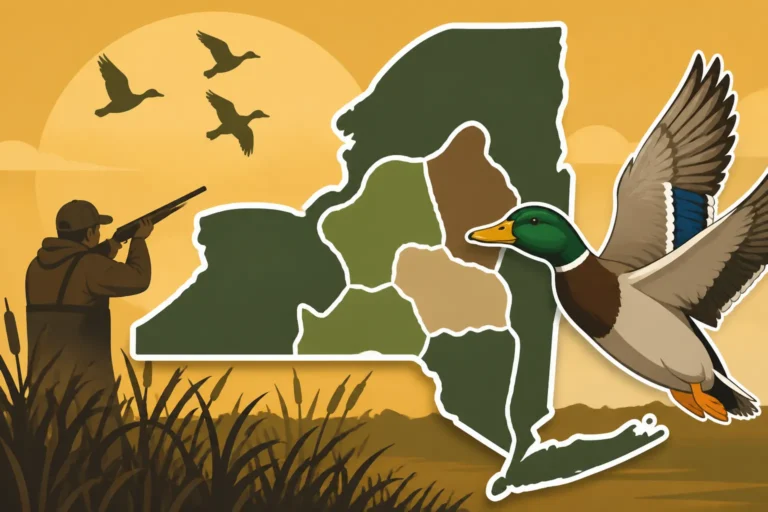
For those pursuing migratory game birds, such as ducks, geese, woodcock, snipe, or doves, an annual Harvest Information Program (HIP) registration is mandatory. This isn't a separate permit you purchase; it’s a quick survey you complete when you buy your license, which helps the U.S. Fish and Wildlife Service gather vital data on migratory bird harvests. Without HIP certification, you cannot legally hunt migratory birds, even if you have all your other licenses and stamps in order. Don't forget this small but critical step if you plan on New York Waterfowl Hunting by Zone or chasing woodcock!
Special Considerations for Different Hunter Groups
New York recognizes that hunters come from all walks of life and offers specialized licenses and considerations for various demographics, ensuring that hunting remains accessible and encourages participation across generations.
Junior Hunter Options and Mentored Youth Programs
New York is committed to fostering the next generation of hunters, and its junior hunter program reflects this dedication. Youth hunters aged 12-15 can obtain a junior hunting license, which allows them to hunt small game, big game, and turkey with specific regulations and requirements. Crucially, junior hunters must be accompanied and supervised by a licensed adult mentor, typically a parent or guardian over the age of 18, who holds their own valid hunting license. The state even offers a special New York Youth Deer Hunt Rules weekend, giving young hunters an exclusive opportunity to get afield before the regular firearms season opens.
The mentored youth hunting program is an incredible opportunity for young people to learn safe hunting practices, develop an appreciation for wildlife, and experience the outdoors firsthand under the watchful eye of an experienced hunter. It’s not just about the hunt; it’s about passing down traditions, teaching conservation, and creating lasting memories. Many junior hunters start with small game, progressing to deer and turkey as they gain confidence and experience.
Senior Hunter Discounts and Benefits
As hunters age, New York offers certain benefits to acknowledge their lifetime contributions to conservation and their continued passion for the sport. Senior resident hunters, typically those aged 70 and older, often qualify for reduced-cost licenses. These discounts can make a significant difference, especially for those on fixed incomes, ensuring that hunting remains an affordable and enjoyable pastime throughout their golden years.
These senior discounts are a small token of appreciation for decades spent in the field, contributing to license sales, participating in conservation efforts, and mentoring younger hunters. The process for obtaining these discounted licenses is generally straightforward, often handled directly through the DEC's online system or a license issuing agent. It's always a good idea to confirm the current age requirements and specific discounts for the New York Senior Hunting License Cost when it comes time to renew.
Military Personnel and Disability Waivers
New York also extends special considerations to active-duty military personnel, veterans, and individuals with disabilities. Active-duty military members stationed in New York or who are New York residents often qualify for resident license prices, even if they are temporarily stationed out of state. Disabled veterans may also be eligible for free or reduced-cost licenses, depending on their disability rating and service-connected status. Furthermore, individuals with certain physical disabilities can apply for special permits, such as those that allow for the use of crossbows during archery season or hunting from a vehicle in specific circumstances, when traditional methods might be prohibitive.
These provisions are vital for recognizing the sacrifices of service members and ensuring that hunting remains an inclusive activity for all who wish to participate. It's important for eligible individuals to consult the New York State Department of Environmental Conservation (DEC) website or contact a license agent directly to understand the specific documentation and application processes for these waivers and permits, as eligibility requirements can be quite detailed.
Navigating the Purchase and Renewal Process
Acquiring and maintaining your New York hunting license is easier than ever, thanks to modern technology, but it still requires attention to detail and understanding the system.
Buying Through the New York's DEC System
The primary method for purchasing a New York hunting license is through the New York State Department of Environmental Conservation (DEC) licensing system. This can be done conveniently online via the DEC's website, which is typically the quickest and most popular option. You can also purchase licenses in person at various license-issuing agents across the state, such as sporting goods stores, county clerk offices, and some town halls. Some options might even be available over the phone.
The online system, accessible through the DEC's HuntFishNY platform, is generally very user-friendly. You'll need to create an account if you don't already have one, and you'll be prompted to enter your personal information, hunter education details, and select the licenses and privileges you wish to purchase. Make sure all your information is accurate to avoid any issues down the line. While general hunting resources like GoHunt might offer useful planning tools, for the actual purchase, the DEC's system is your official go-to. Details on Buying a License Through New York's DEC System are readily available on the DEC website.
| License Type | Age Group | Typical Cost (Resident) | Requirements | Covered Species |
|---|---|---|---|---|
| Annual Hunting License | 16+ | ~$22-$29 | Hunter Education | Small Game, Big Game (with priv) |
| Small Game License | 16+ | ~$14-$19 | Hunter Education | Small Game |
| Trapping License | 12+ | ~$24-$30 | Trapper Education | Furbearers |
| Bowhunting Privilege | 12+ | ~$15-$20 | Bowhunter Education | Archery Deer/Bear |
| Muzzleloading Privilege | 12+ | ~$15-$20 | Muzzleloader Education/Prior License | Muzzleloader Deer/Bear |
| Turkey Permit | 12+ | ~$10-$15 | Annual Hunting License | Spring/Fall Turkey |
| Lifetime Hunting License | All | ~$500-$600+ | Hunter Education (required before hunting) | All covered by Annual License |
| Junior Hunting License | 12-15 | ~$5-$10 | Hunter Education, Adult Supervision | Small Game, Big Game (with priv) |
| Senior Hunting License | 70+ | Reduced/Free | Hunter Education | Small Game, Big Game (with priv) |
| Migratory Bird Certification | All (hunting migratory birds) | No Cost | HIP Survey, Federal Duck Stamp (for ducks/geese) | Migratory Birds |
Note: Costs are approximate and can change annually. Always verify current prices on the NYS DEC website.
Carrying Proof of License in the Field
Once you've purchased your license, it's crucial to have proof of it with you whenever you are afield. New York law requires hunters to carry their license and any applicable tags or permits while hunting. While a physical copy is always reliable, the DEC now allows hunters to carry proof of their license on their mobile device through the HuntFishNY mobile app. This digital option provides convenience, allowing you to access your licenses, privileges, and even report harvests directly from your phone.
However, a word of caution: always consider the reliability of your mobile device in the field. Batteries die, and signal can be nonexistent in many of New York's more remote hunting areas, like parts of the Adirondack Forest Preserve or the Catskill Forest Preserve. It's often a good practice to carry a printed backup of your licenses, especially if you're heading deep into the backcountry. It’s better to be safe than sorry when a DEC Environmental Conservation Officer asks for your papers.
Understanding the Annual Renewal Cycle
New York's hunting license year runs from September 1st to August 31st. This means all annual licenses and privileges expire on August 31st, regardless of when you purchased them during the previous year. To ensure you're ready for the upcoming seasons, especially the early archery and bear seasons that open in mid-September, it's wise to renew your licenses in August. The DEC typically opens the renewal period in early August, sending out reminders via email if you're signed up for their notifications.
Missing the renewal deadline can be a frustrating oversight, especially if you plan to hunt early season deer or bear. Don't be that hunter scrambling on opening morning, trying to renew your license on a spotty cell signal. Make a note in your calendar, sign up for DEC email alerts, and get it done early. It gives you peace of mind and ensures you're ready to hit the woods when the seasons finally arrive.
Key Compliance and Safety Requirements for New York Hunters
Beyond simply holding the correct license, New York hunters must also adhere to several important compliance and safety regulations. These are in place to ensure safe hunting practices, manage wildlife effectively, and protect the broader outdoor community.
Hunter Education and Safety Course Requirements
For anyone new to hunting in New York, or for those who haven't held a hunting license in the state previously, completing an approved hunter education course is mandatory. This course covers firearm safety, responsible hunting practices, wildlife identification, conservation ethics, and New York-specific hunting laws. There are similar specialized courses for bowhunting and trapping. Even if you're an experienced hunter from another state, you'll need to demonstrate proof of prior licensure or complete a New York-approved course.
These courses are incredibly important. They're not just a hoop to jump through; they instill the fundamental knowledge and ethics necessary for safe and responsible hunting. Many people find the in-person courses offer valuable hands-on experience and a chance to ask questions, while online options provide flexibility for busy schedules. Regardless of how you complete it, ensure you meet the New York Hunter Education Requirements before planning your first hunt.
Blaze Orange and Other Safety Gear Mandates
Safety is paramount in the woods, and New York has clear regulations regarding blaze orange and other safety gear. During certain firearms seasons, all big game hunters are required to wear a minimum amount of blaze orange (or blaze pink, an approved alternative). This highly visible color is designed to make hunters easily identifiable to each other, significantly reducing the risk of accidental shootings. The specific requirements can vary by season and location, so always check the current regulations.
It's not just about meeting the minimum; wearing blaze orange is a common-sense safety measure. Beyond blaze orange, carrying a compass or GPS unit (the kind found on robust hunting apps can be invaluable), a first-aid kit, and a reliable knife are all essential for a safe and successful hunt, especially when still-hunting Catskill ridges or deep in the Adirondacks. Don't skimp on safety gear; your life and the lives of others depend on it. For specific details, refer to New York Blaze Orange Requirements.
Reporting Harvests and Staying Legal
One of the most critical responsibilities of a New York hunter is reporting their harvest. If you successfully take a deer, bear, or turkey, you are legally required to report it to the DEC within seven days of the kill. This can be done conveniently online through the DEC's website or the HuntFishNY mobile app, or by calling a toll-free number. Each license or permit will have specific instructions for reporting.
Harvest reporting is more than just a formality; it provides the DEC with crucial data for managing wildlife populations. This information helps biologists track harvest trends, assess herd health, and make informed decisions about future hunting seasons and permit allocations. Failing to report a harvest is a violation and can result in penalties. Always prioritize this step to remain a responsible and legal hunter in New York. You can find detailed instructions on New York Deer Reporting Requirements on the DEC website. It’s part of our shared commitment to sound wildlife management.
Disclaimer
Please note that hunting regulations, license requirements, and season dates are subject to change. While every effort has been made to provide accurate and up-to-date information, it is the hunter's responsibility to consult the official New York State Department of Environmental Conservation (DEC) hunting regulations guide annually before heading afield. Always verify information directly with the DEC.