What a New York Big Game License Covers
Navigating the world of hunting licenses in New York can sometimes feel like deciphering an ancient scroll, especially if you're new to the state or just getting started. It's not always as straightforward as "buy a license, go hunt," and misunderstanding what your basic Big Game license covers can lead to missed opportunities or, worse, unintended violations. This guide is here to untangle that complexity, explaining exactly what a New York Big Game license entitles you to, so you can head into the woods with confidence and clarity.
The Foundation: Your Annual Hunting License
Before you can even think about big game, you need a fundamental New York hunting license. This isn't just a formality; it's your entry ticket into the hunting community and covers the most basic requirements. Without it, none of the big game privileges matter.
What the Base License Provides
Think of your annual hunting license as your general permit for almost all hunting activities other than big game. It’s what allows you to pursue a wide variety of species across the state, ensuring you meet the initial legal requirement.
The annual hunting license (often called a small game license by hunters, though the DEC simply refers to it as the "hunting license") is your permit to chase cottontail rabbits through thick brush, stalk squirrels in mature oak stands, or pursue grouse in an old aspen cut. It also covers furbearers like fox and coyote, and many other small game species. This license is critical because it also establishes your eligibility for other hunting permits and privileges. It's the primary document proving you've completed your New York Hunter Education Requirements, which is a mandatory step for most first-time license buyers in the state. Without this foundational license, you can't add any "privileges" for big game.
Who Needs It and How to Get It
Everyone hunting in New York, with very few exceptions like specific mentored youth situations, needs a valid hunting license. Whether you're a long-time resident or visiting from out of state, this is the first step. New York makes it pretty accessible these days, allowing you to purchase licenses online through the DEC's HuntFishNY system, over the phone, or in person at various license issuing agents across the state. It's always a good idea to secure your license well before the season, especially if you plan to get additional permits or apply for drawings. Remember that New York's license year runs from September 1st through August 31st, so you'll need to renew it annually. For a full breakdown, check out New York Resident Hunting License Options or New York Nonresident Hunting License Options depending on your situation.
Unpacking the Big Game Privilege
Alright, let's get to the heart of the matter: the "Big Game" aspect. In New York, this isn't a standalone license, but rather a privilege that gets added to your base hunting license. It's the critical component that opens up deer and bear hunting.
Defining "Big Game" in New York
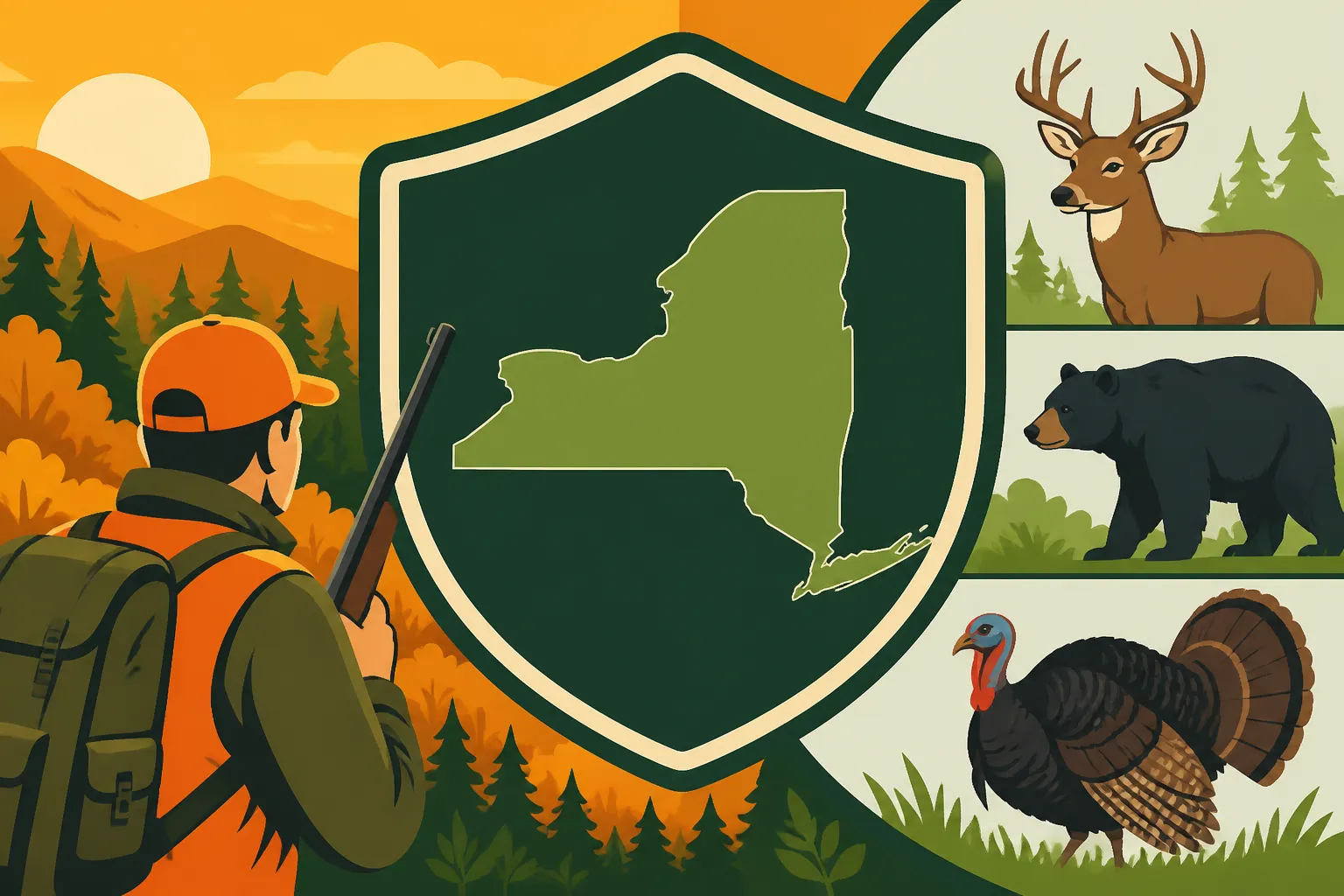
When the New York State Department of Environmental Conservation (DEC) talks about "big game," they are specifically referring to white-tailed deer and black bears. This is a crucial distinction, as some states might include elk or moose in their big game categories. In New York, however, these two species are your focus when you purchase the Big Game privilege.
Having the Big Game privilege attached to your annual hunting license allows you to legally harvest one antlered deer per license year. This is your standard buck tag, which you'll need to fill out and attach immediately upon harvest. It also grants you permission to hunt black bears within their designated seasons and zones. The Big Game privilege typically includes a bear tag as well, allowing for one bear harvest per license year. It's vital to understand the specific New York Deer Seasons by Zone and New York Bear Season by Zone for where and when you can actually exercise these privileges. These regulations change annually and by location, so always consult the current DEC hunting guide.
What’s Included: Deer and Bear Tags
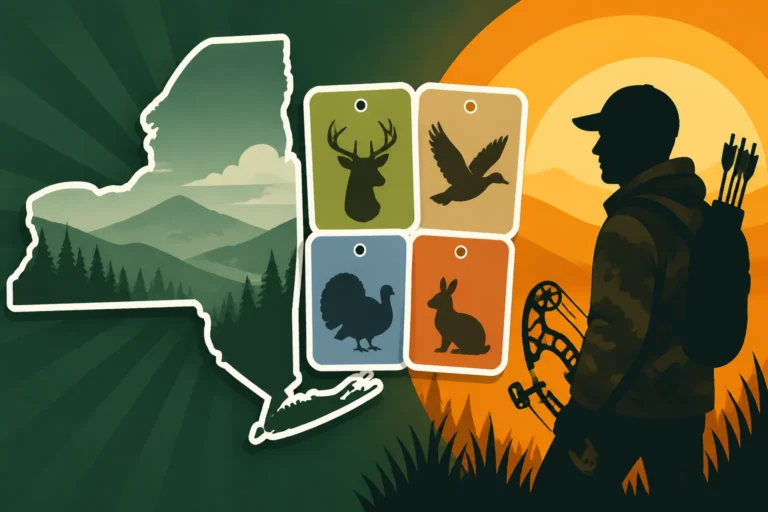
The Big Game privilege automatically comes with a tag for one antlered deer and one bear. For many hunters, especially those focused solely on getting their annual buck and perhaps a bear, this is precisely what they need.
Deer Tag: This is your "regular" deer tag. In the Southern Zone, it's valid for an antlered deer only during the firearm season. In the Northern Zone, it allows for an antlered deer across all legal seasons (archery, muzzleloader, regular firearm). Keep in mind that antler restrictions might apply in certain Wildlife Management Units (WMUs), meaning you can only harvest bucks with a minimum number of antler points on one side. Always check the regulations for the specific WMU you plan to hunt to avoid any issues. This privilege does not automatically grant you additional antlerless deer tags; those fall under the Deer Management Permit (DMP) system, which we'll discuss next.
Bear Tag: New York's black bear population is thriving, particularly in the Catskill and Adirondack regions. Your Big Game privilege includes a tag for one black bear. Bear seasons often overlap with deer seasons, especially during the firearm periods. It's important to remember that New York has strict rules against baiting bears, so successful bear hunting relies on other tactics like still-hunting, tracking, or hunting over natural food sources. You'll need to be familiar with the Why New York Bear Hunters Cannot Use Bait rule and other specific bear regulations for a successful hunt.
Beyond the Basic Big Game Privilege: Special Permits and Seasons
While the Big Game privilege covers your standard deer and bear, New York offers several additional avenues for hunters, often requiring separate permits or privileges. This is where things can get a little more complex, but also where opportunities for more hunting arise.
Deer Management Permits (DMPs)
If you're looking to harvest an antlerless deer (a doe) or potentially more than one deer in a season, you'll need to apply for Deer Management Permits, often called DMPs. These are essentially antlerless tags designed to help manage deer populations in specific areas.
DMPs are allocated by Wildlife Management Unit (WMU) and are subject to an application process, often with a lottery drawing. The number of DMPs available, and your odds of drawing one, vary significantly by WMU based on deer population goals. Historically, New York allowed hunters to apply for up to two DMPs. However, the system is always evolving; for example, the DEC recently announced changes like New York's 2026 Four-Permit DMP Change in certain WMUs to further increase antlerless harvest. Even if you don't draw a DMP in the initial lottery, many WMUs offer "instant DMPs" later in the season if quotas haven't been met. Understanding New York Deer Management Permits Explained is crucial if you want to fill your freezer with venison or help manage local deer populations.
It's important to note that DMPs can typically be used during archery, muzzleloader, and regular firearm seasons, subject to WMU-specific rules. They are a fantastic way to extend your hunting opportunities and contribute to healthy deer herds.
Archery and Muzzleloader Privileges
While your Big Game privilege lets you hunt deer and bear, it specifies how you can hunt them. If you want to use a bow and arrow or a muzzleloader, you need additional privileges.
Bowhunting Privilege: To hunt deer or bear with a vertical bow or crossbow during the archery season, you must purchase a separate Bowhunting Privilege and complete a Bowhunter Education course. This isn't just a revenue stream; it ensures hunters understand the unique ethical and practical considerations of bowhunting. Bowhunting seasons typically open earlier than firearm seasons and offer extended opportunities, especially in the Southern Zone, allowing hunters to get into the woods before the general rush. The rules for New York Crossbow and Bow Regulations are specific, so make sure you're up to date on draw weights, broadhead types, and when crossbows can be used. Many dedicated deer hunters find the challenge and quiet solitude of the archery season to be a truly rewarding experience.
Muzzleloader Privilege: Similarly, if you plan to use a muzzleloading firearm during the designated muzzleloader seasons, you'll need to purchase a Muzzleloader Privilege. These seasons often fall between the archery and regular firearm seasons, or after the general firearm season, providing additional opportunities, especially when deer are on the move. Muzzleloading offers a different kind of challenge, with a focus on single-shot accuracy and close-range encounters. Understanding New York Muzzleloader Season Tactics can be key to success during these late-season hunts. Both the bowhunting and muzzleloader privileges offer unique experiences and significantly expand your total time afield during the deer and bear seasons.
Hunting in Special Seasons
New York also has a few special seasons that might require additional understanding, even if they don't always demand extra permits beyond your Big Game privilege.
Youth Deer Weekend: New York offers a special youth deer hunting weekend, typically in October, specifically for junior hunters. While the junior hunter needs a valid hunting license and Big Game privilege, this weekend allows them to hunt deer (both antlered and antlerless, depending on DMPs) with adult supervision before the regular firearm seasons begin. It's a fantastic opportunity to introduce young hunters to the sport in a less pressured environment. Learn more about New York Youth Deer Hunt Rules if you plan to take a junior hunter afield.
Holiday Deer Hunt: Some Southern Zone WMUs offer a "Holiday Deer Hunt" which extends hunting opportunities into late December. This special season allows bowhunting and muzzleloading with the appropriate privileges. It’s a great chance to fill your tags after the hustle and bustle of the regular firearm season. Not all WMUs participate, so always check the specific regulations. For details on how this season works, refer to New York Holiday Deer Hunt Rules.
What Your Big Game License Doesn't Cover
It's just as important to understand what your Big Game license doesn't cover, to avoid any surprises or legal issues in the field. This clarity ensures you're fully prepared for whatever game you intend to pursue.
Small Game and Furbearers
As discussed, your base hunting license covers small game and furbearers, but your Big Game privilege specifically applies to deer and bear. If you're going out specifically for grouse, squirrels, or rabbits, you only need the base hunting license (and appropriate stamps for migratory birds). You don't need the Big Game privilege unless you also plan to hunt deer or bear. This distinction is often a point of confusion for new hunters.
Migratory Birds
Migratory game birds like ducks, geese, woodcock, and snipe require additional certification beyond your base hunting license. This includes the federal migratory bird stamp (often called a "duck stamp") and a Harvest Information Program (HIP) registration. Even if you're out chasing waterfowl, your Big Game privilege won't help you there. Each species has its own specific seasons, bag limits, and often unique hunting methods. If you're interested in pursuing these birds, explore resources like New York Waterfowl Hunting by Zone to understand the specific requirements.
Trapping and Other Activities
Your Big Game license has absolutely no bearing on trapping activities. If you're interested in trapping furbearers, you'll need a separate trapping license and comply with specific regulations regarding trap types, placement, and checking schedules. Similarly, fishing, unless directly related to hunting for certain game species (e.g., fishing for bait), is a completely separate activity requiring a fishing license. It's easy to get everything through the same New York Hunting Licenses and What They Cost portal, but they are distinct permits.
Specific Weapon Types in Restricted Zones
While your Big Game privilege allows you to hunt deer and bear, the type of weapon you can use is often regulated by specific zones. For example, some heavily populated areas or wildlife management units may restrict hunters to shotguns, muzzleloaders, or archery equipment only, even during the regular firearm season. This means that while you have a Big Game privilege, you might not be able to use your rifle everywhere you hunt. Always, always check the local regulations for your specific hunting area. A helpful tool like GoHunt can provide detailed, up-to-date information on regulations specific to your WMU, helping you confirm weapon restrictions and season dates before you head out. These details can be found under specific articles like New York Legal Firearms for Deer Hunting.
Essential Considerations for New York Hunters
Beyond understanding the permits, there are always practical considerations that enhance safety and success for New York hunters. A little preparation goes a long way.
Reporting Your Harvest
This is a non-negotiable requirement. Any deer or bear harvested in New York must be reported to the DEC, typically within seven days of harvest. Failure to report a kill can result in penalties. The good news is that reporting is simple and can be done online through the HuntFishNY system, over the phone, or via the mobile app. This data is critical for the DEC to manage wildlife populations effectively. You can find detailed instructions in New York Deer Reporting Requirements. Getting a tool like GoHunt can help simplify the process of checking local regulations and logging your harvests digitally, ensuring you're always compliant.
Blaze Orange Requirements
Safety is paramount, and New York has strict blaze orange (or blaze pink) requirements during specific hunting seasons, especially during the firearm season for big game. Hunters are required to wear a minimum amount of outer clothing in blaze orange or pink. This significantly increases visibility to other hunters and dramatically reduces the risk of accidental shootings. Even if you're bowhunting during a firearms season overlap, wear your orange! Consult How Much Blaze Orange New York Requires for specific measurements and regulations.
Planning Your Hunt with Regulations in Mind
Every year, before you step foot in the woods, you absolutely must read the current year's hunting regulations guide. The DEC makes this readily available online, and it's your ultimate source for truth on season dates, bag limits, WMU-specific rules, and any recent changes. Relying on last year's guide or word-of-mouth is a recipe for trouble. Consider adding the official HuntFishNY app to your phone or using a planning tool like GoHunt, which can often integrate regulation summaries with mapping features, helping you plot your hunt with all the current rules in mind.
Understanding the Landscape
New York offers an incredibly diverse range of hunting landscapes, from the vast wilderness of the Adirondacks to the agricultural fields of the Southern Tier. Where you hunt will often dictate the specific tactics and even the types of deer you encounter. For instance, deer densities are vastly different between the Northern Zone and the Southern Zone, and this impacts your hunting strategy and success rates. Your Big Game license allows you to hunt these diverse regions, but understanding specific regional nuances is key. Whether you're considering Still-Hunting Catskill Ridges or wondering about Hunting Southern Tier Farmland Deer, the statewide Big Game privilege is your foundation, but local knowledge and preparation are your keys to success.
| Privilege/Permit | Species Covered | Requirement | When it's Needed |
|---|---|---|---|
| Annual Hunting License | Small Game, Furbearers | Base license | All hunting activities |
| Big Game Privilege | Antlered Deer, Black Bear | Add-on | To hunt deer (antlered) and bear with legal firearms |
| Deer Management Permit (DMP) | Antlerless Deer | Application/Lottery | To take additional antlerless deer |
| Bowhunting Privilege | Deer, Bear (archery seasons) | Add-on + Education | To hunt deer/bear with bow/crossbow |
| Muzzleloader Privilege | Deer, Bear (muzzleloader seasons) | Add-on | To hunt deer/bear with muzzleloader |
| Federal Duck Stamp | Migratory Waterfowl | Add-on | To hunt ducks, geese, brant, mergansers |
| HIP Registration | All Migratory Birds (HIP) | Add-on | To hunt woodcock, snipe, rails, doves, waterfowl |
Disclaimer
The information provided in this guide is intended for general informational purposes only and is not a substitute for the official New York State Department of Environmental Conservation (DEC) hunting regulations. Hunting laws and regulations can change annually and may vary by specific location (Wildlife Management Unit). Always consult the current year's official New York State Hunting and Trapping Regulations Guide directly from the DEC before engaging in any hunting activities.