Why the Northern Zone Has No Holiday Hunt
It’s a common question, and one that often leads to a fair bit of head-scratching and frustration among New York hunters: why does the Southern Zone get to enjoy a special Holiday Deer Hunt, while those of us hunting the Northern Zone pack up our gear weeks earlier? It certainly feels like a raw deal when you’re watching your buddies in the Southern Tier or Catskills chase whitetails right up until the new year, doesn’t it? This guide will dive deep into the ecological, historical, and management reasons behind this significant difference, explaining why the Northern Zone’s deer herd needs a different approach.
The Tale of Two Zones: A Fundamental Divide
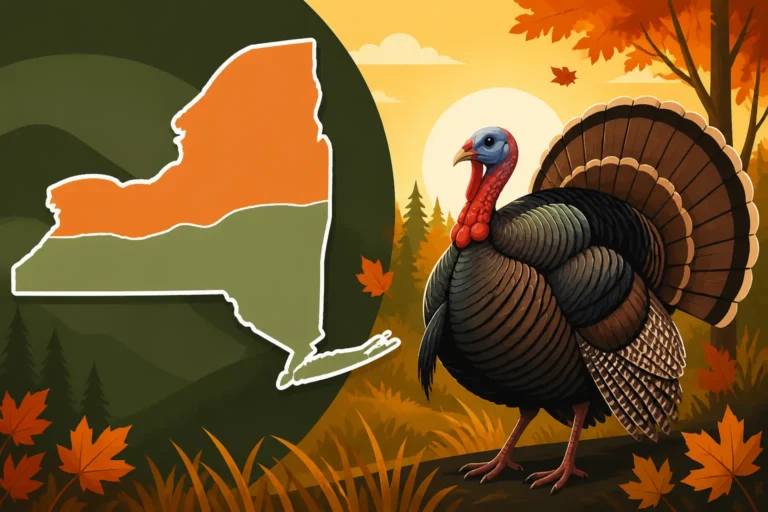
New York State isn't just one big hunting ground; it's cleverly divided into two distinct deer management zones: the Northern Zone and the Southern Zone. This isn't just an arbitrary line on a map. These zones represent vastly different ecological conditions, deer population dynamics, and historical hunting pressures, all of which heavily influence the regulations set by the New York State Department of Environmental Conservation (DEC). Understanding these core differences is the first step to grasping why the Holiday Hunt exists in one and not the other.
Geographical and Ecological Distinctions
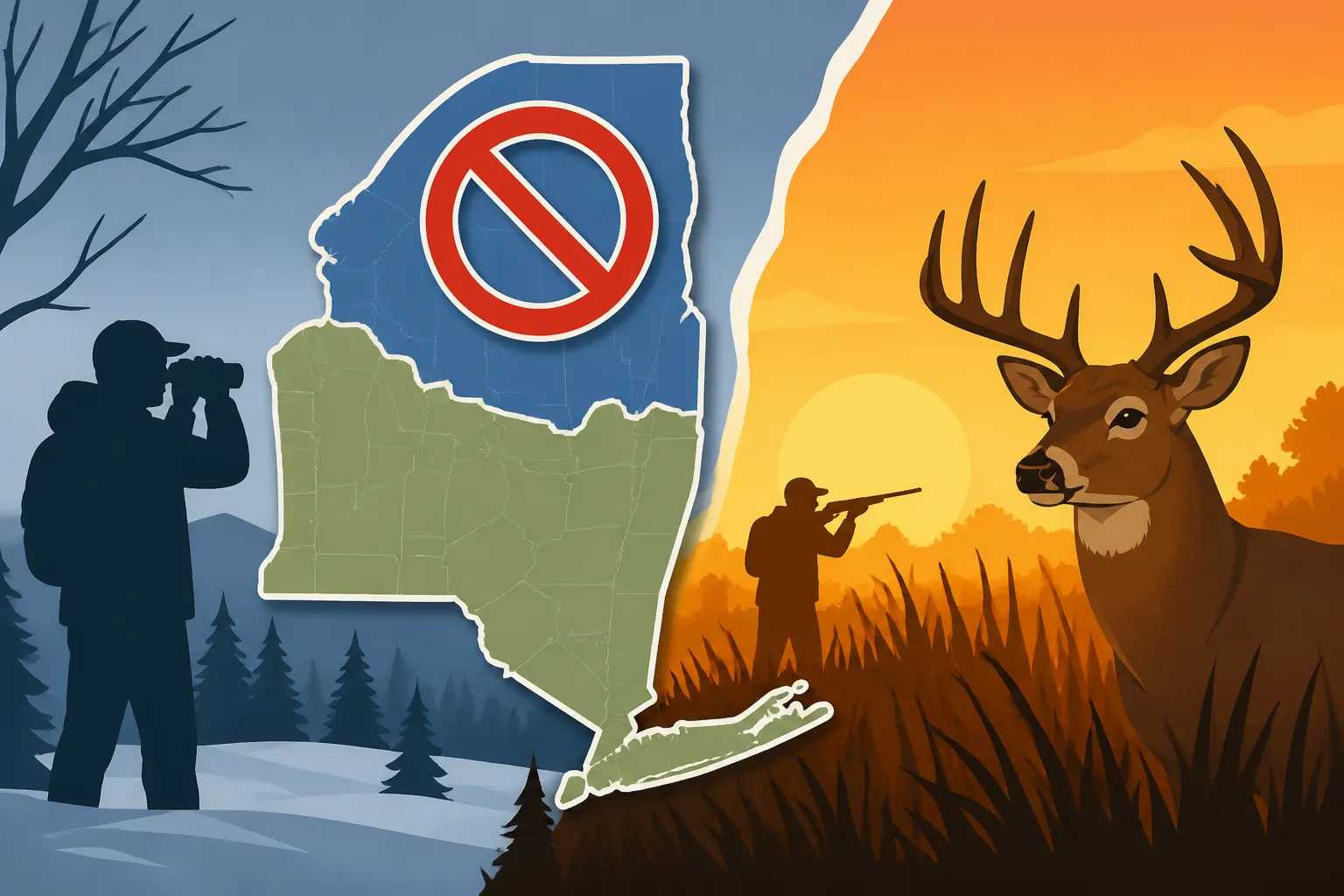
The Northern Zone encompasses the vast, rugged landscapes of the Adirondack Park and its surrounding counties, stretching roughly north of a line from Lake Ontario to Lake Champlain. This region is characterized by extensive wilderness, dense forests, higher elevations, and significantly harsher winter conditions. Think deep snow, prolonged cold, and a relatively shorter growing season. Contrast this with the Southern Zone, which covers the rest of the state, including the agricultural lands of the Finger Lakes, the rolling hills of the Southern Tier, and the Catskill Mountains. This zone generally experiences milder winters, has more diverse habitat—a mosaic of agriculture, woodlots, and suburban sprawl—and, critically, supports a much higher deer density. When you're scouting for deer in these two regions, you're essentially looking at two different worlds. For a closer look at these boundaries and their impact, you can explore resources like the official New York Deer Seasons by Zone information.
Deer Population Density and Carrying Capacity
The most critical factor distinguishing the two zones is deer population density. The Southern Zone generally boasts a robust and often abundant deer herd. Its fertile farmlands provide ample food, and the milder winters mean fewer deer succumb to winter stress. In many Southern Zone Wildlife Management Units (WMUs), the deer population is at or even above what the habitat can comfortably support, leading to agricultural damage, increased deer-vehicle collisions, and potential health issues within the herd. This is where programs like New York Deer Management Permits Explained come into play, allowing hunters to take additional antlerless deer.
The Northern Zone, on the other hand, operates with a much lower deer density. The deep snow and extreme cold of the Adirondack winters are severe natural population controls. Deer yards, where whitetails gather to survive the toughest months, are critical but can only sustain so many animals. A severe winter can decimate a deer herd, and it can take years for the population to recover. The DEC's management philosophy in the Northern Zone prioritizes the health and stability of the herd through these challenging conditions, making conservation of the breeding stock a primary concern. Understanding the overall New York Deer Population Estimate helps frame these regional differences.
The Northern Zone's Unique Challenges and Management Strategies
Given the ecological realities of the Northern Zone, the DEC implements management strategies specifically designed to protect its deer population from excessive pressure, particularly during the critical late-season period. The absence of a Holiday Hunt isn't about penalizing Northern Zone hunters; it's a carefully considered decision based on years of biological data and a deep understanding of whitetail resilience in a harsh environment.
Severe Winter Impacts on Deer
Imagine a deer in the Adirondacks during a typical January. Snow depths can easily reach two or three feet, making movement difficult and costly in terms of energy. Food sources are buried, and the deer rely heavily on their fat reserves built up during the fall. Extending the hunting season into late December, which is when the Southern Zone Holiday Hunt takes place, would coincide with the onset of these severe winter conditions in the North. A deer that is wounded or excessively stressed during this period has a significantly reduced chance of surviving the remainder of the winter.
The DEC aims to prevent undue stress on the Northern Zone deer herd. Even a relatively healthy deer can be pushed to its limits by a sustained chase, the presence of hunters, and the energy expenditure required to escape. If the deer expend too much energy during late-season hunting pressure, they might not have enough reserves to make it through February and March, leading to higher winter mortality rates. This delicate balance is why the season dates for New York's Northern Zone Firearm Season are carefully chosen. You can learn more about How Severe Winters Hit Adirondack Deer impacts the population.
Management Goals: Sustaining the Herd
The primary goal for deer management in the Northern Zone is to maintain a healthy, stable population that can withstand the rigors of its environment. This often means managing for quality, not just quantity. While the Southern Zone might focus on reducing herd numbers in certain areas through antlerless harvests, the Northern Zone's focus is on ensuring a robust breeding population and a healthy buck-to-doe ratio that can rebound from tough winters.
This conservative approach is reflected in bag limits and season lengths. The regular Northern Zone archery and firearm seasons are generally shorter than in the Southern Zone, and opportunities for antlerless deer harvest are often more limited, especially early in the season. These regulations are designed to reduce overall hunting pressure and allow deer to enter the hardest part of winter with minimal disturbance. Organizations like GoHunt are great for checking specific WMU regulations and season dates if you're planning a trip north, ensuring you're up-to-date on all the nuances.
The Purpose of the Southern Zone Holiday Hunt
To truly understand why the Northern Zone lacks a Holiday Hunt, it's helpful to look at why the Southern Zone has one. The Holiday Hunt isn't just a bonus; it's a strategic tool in the DEC's deer management toolbox, designed to address specific challenges prevalent in the Southern Zone.
Addressing High Deer Populations
As mentioned, many areas of the Southern Zone have deer populations that are at or above ecological carrying capacity. This leads to a myriad of problems, including:
- Agricultural Damage: Farmers suffer significant crop losses from overbrowsing.
- Deer-Vehicle Collisions: Increased deer numbers lead to more accidents on roads, posing risks to human safety and property.
- Forest Regeneration Issues: High deer densities can prevent forest understories from regenerating, impacting future timber harvests and overall forest health.
- Disease Risk: Overpopulated herds can be more susceptible to disease outbreaks, although New York has been fortunate in keeping wild CWD at bay.
The Holiday Hunt, typically running from December 26th to January 1st, provides an additional opportunity for hunters to harvest antlerless deer, primarily does. This extended season is a direct effort to help reduce overall deer numbers in areas where they are abundant, thereby mitigating these negative impacts. It’s an extension of the broader strategy seen in the New York Southern Zone Firearm Season and subsequent antlerless permits.
Increasing Hunter Opportunity and Participation
Beyond population control, the Holiday Hunt also serves to increase hunter opportunity and, by extension, hunter participation. Many hunters have time off during the holiday week, making it a perfect opportunity to get out in the woods. It can be a social hunt, bringing families and friends together during a festive time of year. For many, it's a chance to fill a second freezer or help a landowner manage their deer. The mild weather often associated with late December in the Southern Zone also makes for a more comfortable hunting experience compared to the frigid conditions further north. GoHunt and similar platforms can help hunters locate accessible public lands and understand regulations in specific Southern Zone WMUs during this period.
DEC's Management Philosophy and Future Considerations
The New York DEC continually evaluates its management strategies, and the division between Northern and Southern Zones is a cornerstone of this approach. While regulations might evolve, the fundamental differences in how these zones are managed reflect a deep understanding of their unique ecological landscapes.
Balancing Biology and Hunter Interest
The DEC's role is to strike a balance between sound biological management and providing reasonable hunting opportunities. In the Northern Zone, the biological imperative to protect deer from severe winter stress takes precedence in the late season. While hunters might wish for an extended season, the long-term health of the deer herd, and thus the future of hunting in the region, depends on these conservative measures. This approach is consistent with how the agency manages other game species in the Adirondacks, where sustainability is always key. Even when considering something as simple as New York Legal Shooting Hours, the underlying biological needs of the animal and safety always come first.
The situation is different in the Southern Zone, where deer populations can often sustain higher harvest rates, and indeed, require them for ecological balance. The Holiday Hunt is a testament to the DEC's adaptive management, responding to specific population challenges with targeted hunting opportunities.
Potential for Future Changes?
Could the Northern Zone ever see a Holiday Hunt? It's highly unlikely given the current understanding of deer biology and winter severity. Any change would require a significant shift in climate, deer population dynamics, or habitat management that would reduce the impact of winter stress. For now, the distinct management of the two zones remains crucial.
For those hunting the Northern Zone, the season's conclusion generally marks a time to reflect, plan for next year, and perhaps look at other winter activities. However, for those keen on maximizing their deer hunting season in New York, understanding the full calendar, including unique opportunities like the Holiday Hunt in the Southern Zone, is essential. This often means staying up to date with resources that track season dates and regulations, such as those found on the DEC website or through apps like GoHunt, which can help you navigate different regional rules, whether you're planning for Bowhunting New York's Long Archery Season or getting ready for late-season pursuits downstate. For hunters looking to expand their knowledge, resources on New York Hunter Education Requirements are always a good idea, ensuring everyone understands the laws and ethics of hunting in New York.
Here's a quick comparison of some key factors influencing the Northern and Southern Zone seasons:
| Feature | Northern Zone | Southern Zone |
|---|---|---|
| Typical Deer Density | Lower | Higher |
| Winter Severity | Severe (deep snow, prolonged cold) | Milder (less snow, shorter cold snaps) |
| Primary Habitat | Extensive forest, wilderness | Mix of agriculture, woodlots, suburban |
| Winter Mortality Risk | High, significant concern | Moderate to Low |
| Hunting Pressure Goal | Manage for quality, sustain herd through winter | Manage for population reduction, mitigate impacts |
| Holiday Hunt | No | Yes (typically Dec 26 – Jan 1) |
| Antlerless Harvest | More conservative, limited DMPs | More aggressive, ample DMP opportunities |
Wrapping Up Your Northern Zone Season
So, while it might feel a little unfair to see photos of Southern Zone hunters still out in the field after Christmas, remember that the regulations are in place for very sound ecological reasons. The Northern Zone deer herd faces immense challenges each winter, and the DEC's management strategy is designed to give them the best possible chance to thrive. Your season up north might be shorter, but it’s a reflection of a commitment to a healthy, sustainable deer population in some of New York’s most wild and beautiful places. It's all part of the unique challenge and reward of hunting in New York State.
Disclaimer
The information provided in this guide is for general informational purposes only and does not constitute legal advice or an official interpretation of hunting regulations. Hunters are responsible for consulting the most current New York State Department of Environmental Conservation (DEC) hunting regulations guide and any local ordinances before participating in any hunting activity. Seasons, bag limits, and rules can change, so always verify the latest information directly from the DEC.