Which Southern Zone WMUs Skip the Holiday Hunt
It can be incredibly frustrating to pore over the New York State hunting regulations, trying to plan your season, only to find that what applies to one area doesn't necessarily apply to another, especially when it comes to those coveted extended opportunities. The Southern Zone Holiday Deer Hunt is a perfect example, a welcome bonus for many, but a source of confusion for those in the specific Wildlife Management Units (WMUs) where it simply isn't offered. This guide will cut through that confusion, clarifying exactly which Southern Zone WMUs typically skip the Holiday Hunt and why, helping you plan your late-season deer strategies with confidence.
Decoding New York's Southern Zone Holiday Deer Hunt
The Southern Zone Holiday Deer Hunt, often just called the "Holiday Hunt," has become a cherished, albeit sometimes debated, part of the New York deer hunting calendar. It offers a unique opportunity for hunters to get back into the woods after the regular firearm season has closed, extending the chance to fill a tag or simply enjoy the quiet solitude of a late-season hunt. But like many things in New York hunting, it's not a blanket rule across the entire Southern Zone.
The Purpose and Scope of the Extended Season
The primary goal of the Holiday Hunt is multifaceted, designed to address both deer management objectives and hunter satisfaction. From a management perspective, it helps the New York State Department of Environmental Conservation (DEC) achieve antlerless deer harvest goals in areas with robust deer populations. By providing an additional window of opportunity, it contributes to overall herd health and helps mitigate deer-related conflicts, such as agricultural damage and deer-vehicle collisions. For hunters, it's a fantastic chance to stretch out the season, enjoy the holidays in the woods, and introduce new hunters to the sport during a time when other big game seasons are closed. It usually runs from December 26th through January 1st, bridging that gap between Christmas and New Year's Day.
This short, focused season typically permits the use of archery equipment and crossbows, mirroring the traditional early archery season regulations. It’s a return to the stealth and close-range challenges that many bowhunters relish. The cooler temperatures during this period mean deer are often focused on finding and conserving energy, making understanding Late-Season Food Sources for New York Whitetails absolutely critical. This extended season provides flexibility, allowing hunters to utilize existing Deer Management Permits (DMPs) they might not have filled earlier in the season, or target a specific buck that managed to evade them during the more pressured firearm weeks. Many hunters appreciate the quiet woods, fewer people, and the often snow-covered landscapes that make tracking a whole new ball game.
Weapon Choices and General Hunter Opportunities
During the Southern Zone Holiday Hunt, the regulations permit the use of archery equipment and crossbows. This is an important distinction to remember, as firearms are not allowed during this specific extended period. For many, this means dusting off the bow or crossbow after the regular archery season ended, or perhaps trying one of these methods for the first time. It's a fantastic way to immerse yourself in the more intimate style of bowhunting, focusing on shot placement and close encounters. The rules for Crossbow Rules During New York Archery Season still apply, so make sure your setup is legal and you understand the specific limitations, especially if you're new to crossbow hunting.
This hunt offers a fantastic opportunity for hunters with valid DMPs to harvest additional antlerless deer. If you've been struggling to fill your tags during the earlier seasons, this is a prime window. It’s also an ideal time to mentor a new hunter, perhaps a younger family member, as the reduced pressure and focus on still-hunting or sitting in a stand can be a less intimidating experience than the opening days of firearm season. Many families make it a tradition, spending the quiet days after Christmas together in the woods. The extended season contributes significantly to the overall deer harvest and hunter opportunity, which is why understanding which WMUs participate is so crucial for effective planning.
Identifying the Southern Zone WMUs Excluded from the Holiday Hunt
Now, for the critical information that brought you here: not all Southern Zone WMUs participate in the Holiday Hunt. The exclusions are deliberate, based on specific local management considerations and population dynamics. For hunters, knowing these exceptions is paramount to avoid disappointment or, worse, accidental violations.
Specific Exclusions: Suffolk and Westchester Counties
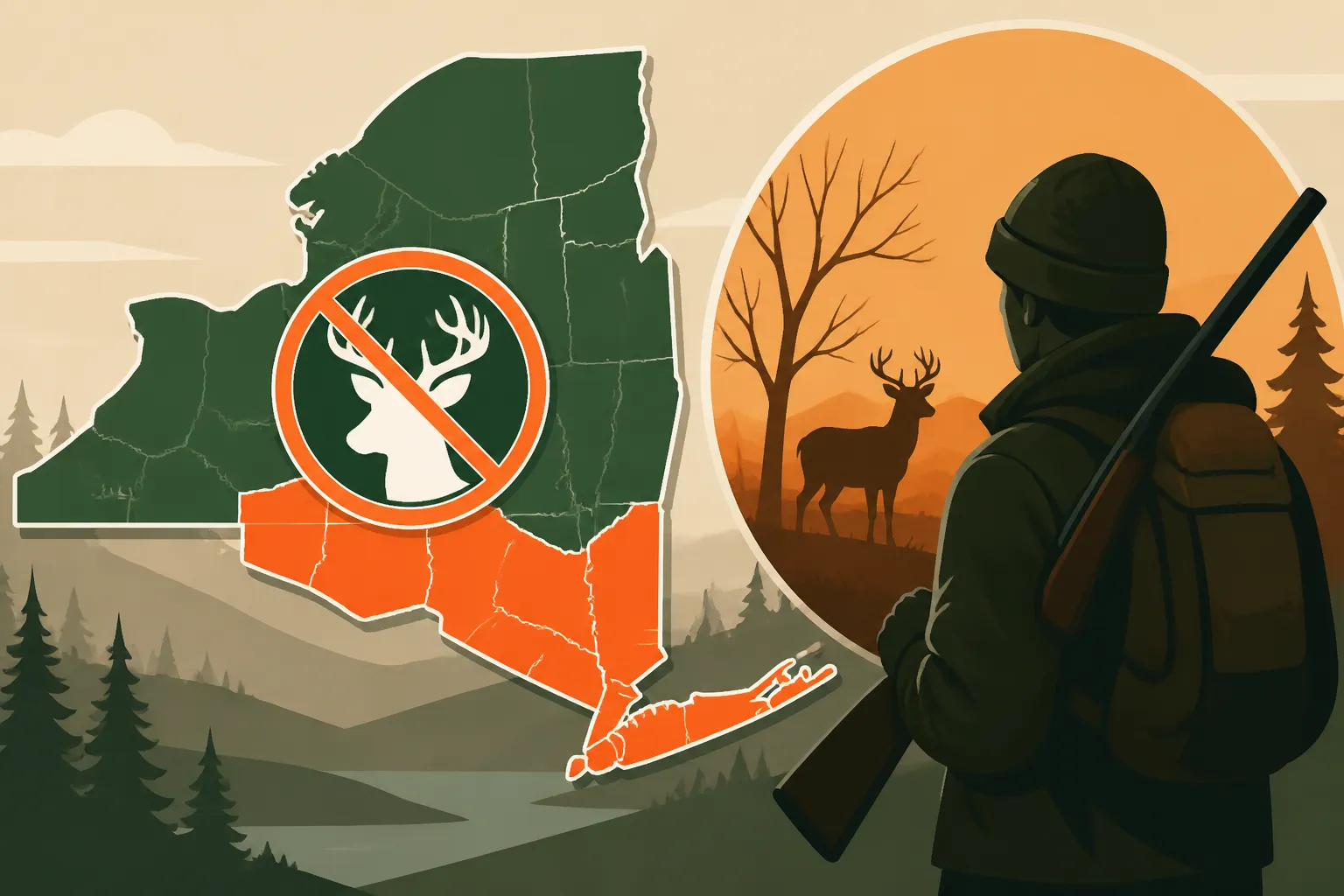
Historically and consistently, the Southern Zone Holiday Deer Hunt has not been open in Wildlife Management Unit 1C (Suffolk County) and Wildlife Management Unit 3S (Westchester County). These two WMUs stand out as exceptions within the broader Southern Zone. It's a common oversight, as hunters often assume that if they're in the Southern Zone, they're automatically included in this late-season opportunity. Always verify your specific WMU!
Let's break down why these two areas are typically excluded:
- WMU 1C (Suffolk County, Long Island): This area, encompassing Long Island, has unique deer management challenges. It's characterized by high human population density, significant suburban development, and a mosaic of private and limited public lands. Deer management here often involves balancing conservation with reducing conflicts like deer-vehicle collisions and landscape damage in residential areas. Special regulations and extended archery opportunities, sometimes even year-round nuisance permits, are already in place to manage the deer population in this highly urbanized environment. The Holiday Hunt, as structured for other rural Southern Zone areas, might not align with the specific safety and access considerations of Long Island. If you're hunting in this area, you're likely already navigating complex rules, and understanding Hunting Long Island Farmland Deer means recognizing that the hunting pressure and access dynamics are very different from, say, the Catskills.
- WMU 3S (Westchester County): Similar to Suffolk County, Westchester County presents a complex landscape of suburbanization, high population density, and significant private land ownership. While it's part of the Southern Zone, its proximity to New York City and its dense residential areas necessitate a different approach to deer management. Safety concerns related to firearm discharge setbacks and the general impact on non-hunting residents are heightened here. Westchester County often has very specific archery-only regulations and special extended seasons or permits tailored to its unique environment, which might already provide ample opportunity to meet harvest goals without adding the general Holiday Hunt. For those targeting deer here, methods like Hunting Small Woodlots Near Suburban Sprawl become essential, as does a deep understanding of very localized rules.
It’s easy to get caught up in the excitement of a late-season hunt, but taking a moment to confirm if your hunting grounds fall within these excluded WMUs is non-negotiable. The DEC designs these specific exclusions to manage deer populations effectively while minimizing conflicts in areas with distinct demographic and land-use patterns.
Reasons Behind These WMU Exclusions
The exclusion of specific WMUs like Suffolk and Westchester from the Holiday Hunt isn't arbitrary; it's deeply rooted in population management, public safety, and social considerations unique to those areas. Unlike the vast state forests or agricultural lands found elsewhere in the Southern Zone, these WMUs are characterized by dense human populations, numerous residential areas, and often smaller, fragmented parcels of hunting land.
One of the primary reasons is public safety and perceived risk. In densely populated areas, even with archery and crossbows, the risk of accidental injury or property damage is a significant concern. The DEC must balance hunter opportunity with ensuring the safety and comfort of all citizens, both hunters and non-hunters. The limited amount of contiguous open space in these WMUs can make a broad, open-ended season like the Holiday Hunt challenging to implement safely without causing undue anxiety among residents.
Another factor is existing deer management strategies. WMU 1C and 3S often have their own specialized deer management programs, including extended archery seasons that may run well into winter, or even specific local initiatives that target deer populations. These programs are tailored to the unique conditions of these suburban and exurban environments, and adding a blanket Holiday Hunt might be redundant or conflict with these established, localized efforts. For example, some areas might have very specific DMAP (Deer Management Assistance Program) tags or special rules for New York Suburban Deer Management Permits that address local population concerns more directly.
Finally, social tolerance and political considerations play a role. The public perception of hunting in densely populated areas can be a delicate balance. Introducing a new hunting season, even a limited one, needs to consider community sentiment and potential pushback. The DEC actively monitors deer populations and hunter success across all WMUs, and these exclusions reflect a considered decision to best manage the resource while addressing the broader societal context of these regions.
How to Verify Current Regulations
Regulations, while generally consistent, can sometimes see minor tweaks or changes from year to year. This is especially true for specific seasons like the Holiday Hunt. Therefore, it's absolutely crucial that you, as a responsible hunter, verify the most current regulations directly from the New York State Department of Environmental Conservation (DEC) before heading afield.
Here's how you can stay informed:
- The Official DEC Hunting and Trapping Regulations Guide: This is your bible. A new guide is published annually, typically in late summer or early fall, and contains all the season dates, bag limits, and specific WMU rules. You can pick up a physical copy wherever licenses are sold, or download the PDF version directly from the DEC website. Look for the section specifically detailing the Southern Zone Deer Seasons. This will clearly list any WMU exclusions for the Holiday Hunt.
- The NYSDEC Website: The DEC's website (dec.ny.gov) is an invaluable resource. They have dedicated pages for deer hunting regulations, including updates and press releases that might highlight changes to specific seasons. Always check the "Big Game Hunting" section and navigate to the deer season dates for the Southern Zone.
- The HuntFishNY App: The official HuntFishNY mobile app is an incredibly useful tool for modern hunters. It allows you to carry your license on your phone, report harvests, and crucially, access digital copies of the regulations. While out in the field, this app can be a lifesaver for quickly checking a regulation or confirming New York Legal Shooting Hours. It’s a great way to have the rulebook right in your pocket.
- Third-Party Mapping and Information Services: Platforms like GoHunt offer detailed maps with overlayed WMU boundaries and can often provide summaries of regulations. While these are excellent tools for planning and scouting, always cross-reference critical information like season dates and WMU exclusions with the official DEC sources. They are fantastic for visualizing your hunt, but the DEC guide is the final word. A thorough hunter uses all available resources to confirm their plans, and checking with GoHunt can give you a great visual confirmation of your WMU.
Never rely solely on information from friends, online forums, or even a blog post (like this one!) without performing your own due diligence with the official sources. A quick check can save you a lot of trouble and ensure a legal, ethical, and enjoyable hunt.
Strategies and Opportunities Beyond the Holiday Hunt Exclusions
While it might be disappointing to find your favorite Southern Zone WMU isn't part of the Holiday Hunt, it certainly doesn't mean your late-season deer hunting opportunities are over. In fact, understanding these exclusions can help you pivot your strategy and potentially unlock new successes.
Maximizing Success in Excluded WMUs During Core Seasons
For hunters in WMU 1C (Suffolk County) and WMU 3S (Westchester County), the focus shifts entirely to making the most of the regular Southern Zone seasons, which already offer extensive opportunities. These WMUs typically have long archery seasons that can provide ample chances to tag a deer. Instead of mourning the absence of the Holiday Hunt, savvy hunters in these areas concentrate their efforts during the general archery, crossbow, and potentially even special firearms or muzzleloader seasons that might be locally permitted.
Deer in these more developed WMUs are often accustomed to human activity, requiring different tactics than those used in deep wilderness. Scouting becomes critical, focusing on small pockets of cover, green spaces, and corridors between residential areas. Understanding how deer navigate suburban landscapes is key. You'll want to focus on early morning and late evening movements, often close to bedding cover that might be surprisingly near human structures. Using a ground blind that's well-brushed in can be very effective in these environments, as deer are less likely to look up compared to deep timber hunting. The key is to be extremely adaptable and to focus on the unique challenges and opportunities these specific areas present throughout the seasons they do participate in.
Planning a Successful Holiday Hunt in Participating Areas
For those fortunate enough to hunt in Southern Zone WMUs that do offer the Holiday Hunt, this extended season is a golden opportunity. The period after Christmas and leading up to New Year's Day often brings colder temperatures, and sometimes even snow, which completely changes deer behavior and the hunting landscape. These conditions can be both challenging and incredibly rewarding.
Here are some strategies for making the most of it:
- Focus on Food and Thermal Cover: As temperatures drop, deer become hyper-focused on calorie intake and finding places to escape the wind and cold. Look for late-season food sources like standing corn, brassicas, or even leftover acorns if they're still available. Areas with thick conifer stands, dense briar patches, or south-facing slopes that catch more sunlight can be excellent thermal cover. Understanding Cold-Weather Sitting Strategy in New York is essential; you need to be able to sit for extended periods without getting chilled.
- Scout for Fresh Sign in the Snow: If you're lucky enough to get snow, it completely transforms the game. Fresh tracks, browsing, and droppings become incredibly evident. This is the time to put on your tracking boots and actively scout. Snow reveals deer travel patterns that are invisible on bare ground. Pay attention to how deer move between bedding and feeding areas, especially along subtle funnels or natural barriers.
- Capitalize on Reduced Pressure: Many hunters have wrapped up their seasons by this point, meaning fewer people in the woods. This reduced pressure can make deer more relaxed and predictable. It’s a great time for more aggressive still-hunting tactics or for sitting stands that might have been too pressured during the main firearm season.
- Layer Up for Comfort: December and January in New York can be brutally cold. Proper layering is not just about comfort, it's about safety and your ability to remain still and focused on stand. Invest in good quality base layers, insulating mid-layers, and a windproof, waterproof outer shell. Don't forget hand warmers, good insulated boots, and a warm hat. Being miserable on stand is a quick way to shorten your hunt.
- Utilize Your DMPs: This is the perfect time to use any unfilled DMPs, especially if you’re looking to contribute to antlerless harvest goals. Many WMUs have ample antlerless tags, and harvesting does during this period can have a significant positive impact on local deer populations by helping to balance herd numbers. For those looking to fill additional permits, knowing Filling Extra DMPs in Unlimited WMUs can guide your late-season efforts.
The Holiday Hunt, in the areas where it’s allowed, truly offers a unique and memorable way to close out your deer season. With the right preparation and strategy, you can find success and create lasting memories in the crisp, quiet winter woods of New York.
Southern Zone Holiday Hunt WMU Participation Overview
To make things a little clearer, here's a quick look at how some Southern Zone WMUs typically handle the Holiday Hunt. Remember, always check current DEC regulations for the most up-to-date information for any specific hunting season.
| WMU Code | General Location | Holiday Hunt Participation (Typical) | Key Considerations |
|---|---|---|---|
| 1C | Suffolk County (Long Island) | No | Densely populated, special local rules, existing extended archery |
| 3S | Westchester County | No | Suburban, high human density, specific local management |
| 3H | Catskill Mountains (e.g., Ulster, Greene Counties) | Yes | Traditional Southern Zone, good public land, rugged terrain |
| 4O | Southern Tier (e.g., Broome, Tioga Counties) | Yes | Mix of farmland and woodlots, often good deer numbers |
| 8R | Finger Lakes Region (e.g., Yates, Ontario Counties) | Yes | Agricultural, known for larger deer, mix of private/public |
| 9W | Western New York (e.g., Allegany, Cattaraugus Counties) | Yes | Forested hills, state forests, good opportunities |
This table provides a quick reference, but again, consider it a guide to prompt your own verification. The New York DEC’s official channels are the definitive source for current year regulations.
Disclaimer
Please note: The information provided in this article is for general guidance and informational purposes only. Hunting regulations, season dates, and WMU participation can change annually. It is the hunter's sole responsibility to consult and comply with the most current New York State Department of Environmental Conservation (DEC) hunting and trapping regulations before engaging in any hunting activities. Always verify specific rules for your chosen Wildlife Management Unit directly with the NYSDEC.