Proposed Changes to New York Crossbow Limits
It can be incredibly frustrating to keep up with hunting regulations in New York State, especially when it feels like the rules are always shifting, or at least being debated. One area that frequently sees discussion and potential tweaks is crossbow hunting. This guide aims to clear up the confusion around the proposed changes to New York's crossbow limits, offering a comprehensive look at what's currently in place, why changes are being considered, and what these potential shifts could mean for you in the woods.
Understanding Current New York Crossbow Regulations
Before we dive into the possible future, it’s crucial to have a firm grasp on the present. New York’s crossbow regulations have evolved quite a bit over the years, moving from a highly restricted implement to a more widely accepted tool for deer hunting. However, they are still subject to specific rules that differ from traditional archery equipment. Many hunters remember when crossbows were seen as entirely separate, almost like a firearm, and the journey to their current status has been a long one, often fraught with passionate debates from both sides of the archery community.
Eligibility and Permit Requirements
Currently, to hunt with a crossbow in New York, you generally need to possess a valid New York State hunting license and the appropriate bowhunting privilege. This isn't like picking up a rifle and going afield; there's an extra step. In the past, crossbow hunters were often required to have a specific crossbow permit, distinct from the regular bowhunting privilege. However, the regulations have simplified somewhat, integrating crossbow use more directly into the existing bowhunting framework. Still, it's vital to ensure your license reflects the proper privileges. You can't just assume your big game license covers it; you need that specific bowhunting add-on. For those new to the sport, or even seasoned hunters looking to try a crossbow for the first time, understanding the New York Hunter Education Requirements for bowhunters is a critical first step, as passing a bowhunter education course is mandatory before you can purchase the privilege.
Seasons and Zones Where Crossbows Are Permitted
One of the biggest points of contention and the area most likely to see proposed changes revolves around when and where crossbows can be used. At present, crossbows are generally allowed during the regular archery season in both the Northern and Southern Zones, but with some very specific nuances. For instance, there's often an initial period of the archery season where only traditional bows are permitted, with crossbows becoming legal a week or two later. This phased approach was a compromise meant to appease traditional archery proponents who felt that immediate, full integration would erode the "traditional" aspect of the archery season.
In the Southern Zone, for example, the early part of the archery season is exclusively for vertical bows, with crossbows typically becoming legal later in October. This can catch new hunters off guard if they don't thoroughly check the dates. The Northern Zone has its own calendar, which is generally shorter but follows a similar pattern regarding the phased introduction of crossbows. It’s important to note that these seasons are distinct from the firearm seasons, and crossbows are not permitted during the regular firearm big game seasons unless specifically outlined in special circumstances, like the New York's Southern Zone Firearm Season when it reopens for archery hunters. This distinction is paramount, as accidentally carrying a crossbow during a non-permitted period can lead to serious fines and loss of privileges. Checking the annual hunting guide is always the best way to confirm the exact dates for your specific Wildlife Management Unit (WMU) before you head out.
Equipment Specifications and Limitations
Beyond when you can use them, there are also rules about the crossbow itself. New York State has historically had stipulations regarding the physical characteristics of a crossbow. These often include minimum draw weights and minimum limb width measurements. For example, a common requirement might be a minimum draw weight of 100 pounds and a minimum limb width of 17 inches uncocked. These specifications are in place to ensure that the crossbow being used is capable of humanely harvesting big game, providing sufficient kinetic energy for a clean kill.
These equipment specifications can sometimes be a hurdle for hunters, particularly those looking at newer, more compact crossbow designs that might push the boundaries of limb width or draw weight. It means you can't just grab any crossbow off the shelf and expect it to be legal. You have to verify that it meets the DEC’s criteria. There have been ongoing discussions about whether these specific physical limits are still relevant or if they should be updated to reflect advancements in crossbow technology. Understanding these rules is crucial, and mapping tools like those offered by GoHunt can sometimes include regulatory overlays that help you quickly reference state-specific equipment requirements as you plan your hunt.
The Rationale Behind Proposed Crossbow Changes
Changes to hunting regulations aren't made lightly in New York; they usually stem from a combination of hunter feedback, deer management objectives, and a constant balancing act between different user groups. The push for proposed changes to crossbow limits is no different, reflecting a desire to both expand access and manage the deer herd effectively, all while navigating the passionate opinions of the hunting community.
Expanding Hunter Opportunity and Participation
One of the primary drivers behind proposals to loosen crossbow restrictions is the desire to expand hunter opportunity and boost participation, especially among new hunters, youth, and those with physical limitations. Traditional bowhunting requires a significant commitment to practice and strength, which can be a barrier for some. Crossbows, with their rifle-like aiming and less physically demanding draw cycle, can make bowhunting accessible to a broader demographic. Imagine a scenario where an aging hunter, no longer able to draw their compound bow, could extend their hunting career by switching to a crossbow. Or a new hunter, intimidated by the learning curve of a recurve bow, finds an easier entry point into archery season with a crossbow. This expansion of access is seen by many as vital for the future of hunting.
For youth hunters, in particular, crossbows could offer a less daunting introduction to archery. While New York Youth Deer Hunt Rules exist, making the equipment easier to handle could foster a deeper interest in hunting from an earlier age. The argument is that more hunters, regardless of their chosen equipment, contribute to conservation efforts through license fees and excise taxes on gear. Any regulatory adjustment that makes it easier for more people to get into the woods, safely and ethically, is often viewed positively by wildlife agencies.
Addressing Deer Management Objectives
Beyond hunter opportunity, proposed changes to crossbow regulations can also be directly tied to deer management goals. In many WMUs, particularly in the Southern Zone, deer populations remain robust, leading to agricultural damage, deer-vehicle collisions, and ecological impacts. The DEC is constantly looking for effective tools to manage these populations, and extending the period or areas where crossbows can be used could be one such tool. Allowing hunters more time in the field with effective equipment increases the chances of meeting antlerless harvest quotas.
Consider areas where New York Deer Management Permits Explained are heavily utilized. If crossbows could be used for a longer duration, it provides additional opportunities for hunters to fill those antlerless tags, helping to keep deer numbers in check. For example, if crossbows were allowed from the very start of the archery season in certain high-density areas, it could significantly impact the overall deer harvest, especially if it coincides with peak deer movement patterns. This isn't just about fun; it's about balancing the deer population with the carrying capacity of the land and mitigating human-wildlife conflicts.
Concerns from Traditional Archery Advocates
Of course, not everyone is in favor of expanding crossbow use. Traditional archery advocates, often passionate about the primitive skill and challenge of vertical bowhunting, frequently express concerns. Their main argument often centers on the "dilution" of the archery season. They believe that allowing crossbows for extended periods diminishes the unique challenge and ethical considerations inherent to traditional bowhunting, making the season feel more like a mini-firearm season. They worry that the specific skills developed over years of vertical bow practice — judging distance, estimating trajectory, and intimate knowledge of deer anatomy for close-range shots — are less emphasized with a crossbow, which can be sighted in like a rifle and offers a flatter trajectory.
There's also a fear that increased crossbow participation could lead to more hunting pressure during the early archery season, potentially pushing deer into nocturnal patterns or out of public lands. Some traditionalists argue that crossbows, being easier to master, may attract hunters who are less invested in the nuances of ethical shot placement and recovery, though this is a point of frequent debate. These concerns are deeply held and reflect a strong commitment to preserving the heritage and challenge of bowhunting as they see it. Any proposed changes must carefully weigh these legitimate concerns against the benefits of increased participation and deer management.
Specific Proposals and Their Potential Impact
When the DEC considers altering regulations, they usually float specific ideas, sometimes as official proposals, sometimes as discussion points. For crossbows, these often revolve around modifying the existing framework rather than a complete overhaul. Understanding these specific ideas helps us anticipate the future of hunting in New York.
Proposed Changes to Draw Weight or Limb Width Restrictions
One common area for proposed changes involves the technical specifications of the crossbow itself. As mentioned, New York has minimum draw weight and limb width requirements. However, crossbow technology is constantly advancing, with manufacturers producing more compact, efficient, and powerful crossbows that may not fit neatly into older regulatory boxes. Some proposals suggest either lowering the minimum draw weight or, more likely, eliminating the limb width restriction entirely. The logic is that modern crossbows, even with narrower profiles, can still generate sufficient power for a clean kill thanks to improved cam systems and materials.
For example, a traditional recurve crossbow might need wider limbs to achieve a 150-pound draw weight, while a modern compound crossbow can achieve that same power with much narrower limbs. If the DEC were to remove or adjust the limb width requirement, it would open the door for hunters to use a wider array of compact crossbows, which are often easier to maneuver in dense cover, climb with, or transport. This would expand choices for hunters and potentially make the equipment more user-friendly without compromising ethical harvest standards. The debate often centers on whether "minimum kinetic energy" should be the metric, rather than arbitrary physical dimensions.
Extending Crossbow Use to Additional Seasons or Zones
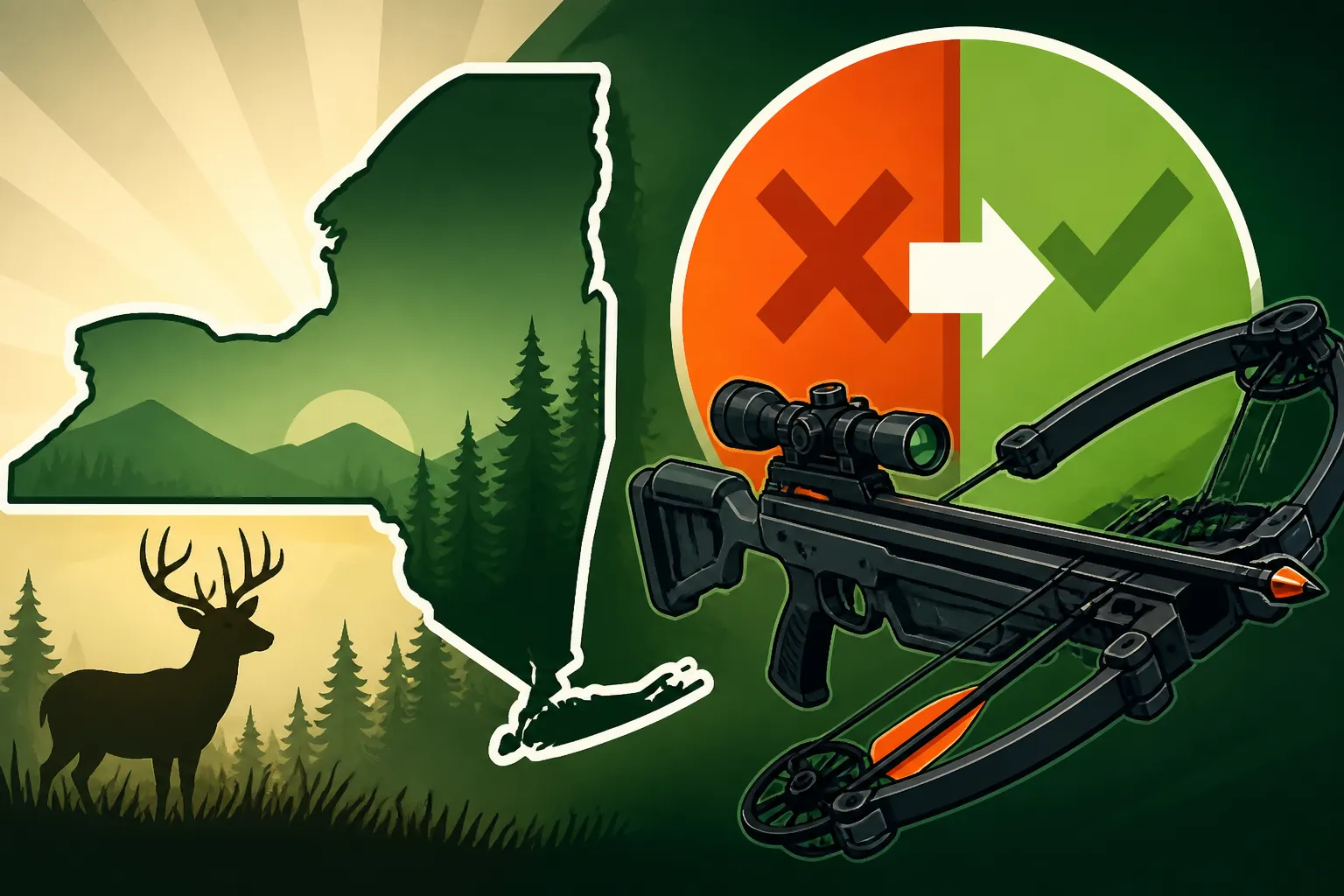
Perhaps the most significant and widely discussed proposed change is the extension of crossbow use to additional seasons or for the entire duration of the existing archery season. Currently, crossbows have a delayed start in the Southern Zone archery season and specific windows in the Northern Zone. Proposals often suggest allowing crossbows from day one of the archery season, aligning their use more closely with traditional bows. This would effectively lengthen the crossbow hunting season for many hunters.
Another potential change could involve allowing crossbows during specific firearm seasons in certain WMUs where deer populations are exceptionally high and additional harvest pressure is desired. This is less likely but could be considered in very specific, hyper-local scenarios, particularly in suburban WMUs where shotgun-only rules might currently apply. The impact of such a change would be substantial: more days in the field for crossbow hunters, increased overall deer harvest potential, and potentially more hunters opting for crossbows over traditional bows or even firearms in some instances. This could directly influence deer population management in high-density areas and offer more flexibility for hunters who travel, allowing them to participate in New York's Long Archery Season regardless of their equipment choice within the bow category. It also might require hunters to update their preferred scouting apps like GoHunt with new season dates.
Impact on Hunter Numbers and Deer Harvest
Any regulatory change, especially one that makes hunting more accessible, will inevitably affect hunter numbers and the overall deer harvest. If crossbow limits are eased, we can reasonably expect an increase in the number of hunters choosing crossbows. This isn't necessarily a bad thing; more hunters mean more conservation dollars, as mentioned earlier. However, it also means potentially more pressure on public lands and a higher overall deer harvest.
The impact on deer harvest could be two-fold. Firstly, simply having more hunters in the woods for longer periods would increase the total number of deer taken. Secondly, crossbows, with their accuracy and ease of use, might lead to a higher success rate per hunter compared to some traditional archery methods, especially for novice bowhunters. This could be a boon for the DEC in managing overpopulated areas and helping hunters fill additional New York Deer Management Permits Explained. Conversely, some traditional bowhunters worry that higher success rates could deplete the deer herd in certain areas, particularly on smaller public parcels or heavily hunted private lands. The DEC would monitor these trends closely, using harvest data and population surveys to assess the long-term effects.
Navigating Future Crossbow Regulations
As an outdoors enthusiast in New York, it's essential to stay proactive and adaptable, especially with ongoing debates and potential shifts in regulations like those concerning crossbows. The landscape of hunting rules is rarely static, and being prepared for changes ensures you remain compliant and make the most of your time in the field.
Staying Informed About Regulatory Updates
The single most important thing you can do is stay informed. The New York State Department of Environmental Conservation (DEC) is the primary source for all official hunting regulations. They publish an annual hunting and trapping guide that outlines all seasons, limits, and equipment restrictions. This guide is updated every year and is available both online and in print at license vendors. However, proposed changes are often discussed and debated long before they make it into the official guide. To stay ahead of the curve, keep an eye on the DEC’s press releases, their official website, and attend public meetings or webinars they might host regarding regulatory adjustments. Hunting forums and local sporting groups are also excellent places to hear about potential changes and community feedback, but always cross-reference information with official DEC sources.
It's also a good idea to subscribe to email updates from the DEC if they offer them. This way, any new proposals or regulation changes can land directly in your inbox. Using advanced hunting apps like GoHunt can also be beneficial, as many of these platforms make an effort to integrate the latest regulatory information directly into their mapping tools, providing a real-time snapshot of the rules governing specific WMUs or public lands you might be scouting. Being caught unaware of a new rule is no excuse, and it's your responsibility as a hunter to know and follow the law.
Adapting Your Hunting Strategy
If changes to crossbow limits do come into effect, you’ll need to consider how they might impact your personal hunting strategy. For instance, if crossbows are allowed from day one of the archery season, it might mean more hunters in the woods earlier. This could influence your choice of hunting location, requiring you to seek out more remote areas or adapt your approach on public lands. Perhaps you'll need to walk further or consider Using a Ground Blind on New York Public Land in a less conventional spot to avoid crowds.
If the season for crossbows is extended, it also gives you more flexibility. You might consider using a crossbow for early season hunts when deer patterns are more predictable, or later in the season during the Hunting the New York Rut in November if you find that easier than a traditional bow. For those who hunt different zones, understanding New York's Two Deer Zones Split the Calendar and how crossbow rules apply to each is critical. The changes could open up new opportunities to fill multiple tags, especially if you have access to Filling Extra DMPs in Unlimited WMUs. Ultimately, adapting means being flexible, understanding the new rules, and being willing to adjust your tactics to remain successful and ethical in the field. This might involve scouting new areas, altering your calling techniques, or even rethinking your equipment choices entirely.
| Feature / Regulation | Current General Rule (Pre-2024 typical) | Proposed Changes (Hypothetical & Common Discussions) | Potential Impact on Hunters |
|---|---|---|---|
| Archery Season Start | Delayed start (e.g., 2nd week of Southern Zone archery) | Allowed from Day 1 of archery season (or earlier) | Longer hunting window, increased early season pressure, more flexibility. |
| Limb Width Limits | Minimum 17 inches uncocked (example) | Removal or reduction of limb width restrictions | Access to more compact, modern crossbow models; easier maneuverability. |
| Draw Weight Limits | Minimum 100-150 lbs (example) | Adjustments (e.g., lower minimum or kinetic energy focus) | Wider range of usable crossbows, potentially easier for new/older hunters. |
| Youth Hunter Access | Youth must meet general requirements and age | Specific youth crossbow season or expanded youth use | Easier entry for young hunters, increased youth participation. |
| Antlerless Harvest | Crossbow use contributes to general harvest | Extended use could boost antlerless harvest in high-density WMUs | More tools for deer management, easier to fill DMPs. |
| Permit Requirement | Bowhunting privilege needed, specific rules apply | Integrated fully into bowhunting privilege, less distinction | Streamlined licensing, reduced confusion for some. |
Disclaimer
Please remember that hunting regulations are subject to change. This article reflects general information and discussions around proposed changes. Always consult the official New York State Department of Environmental Conservation (DEC) hunting and trapping regulations guide for the most current and accurate information before heading afield. Your responsibility as a hunter is to know and adhere to all applicable laws and regulations.