When the New York Rut Peaks
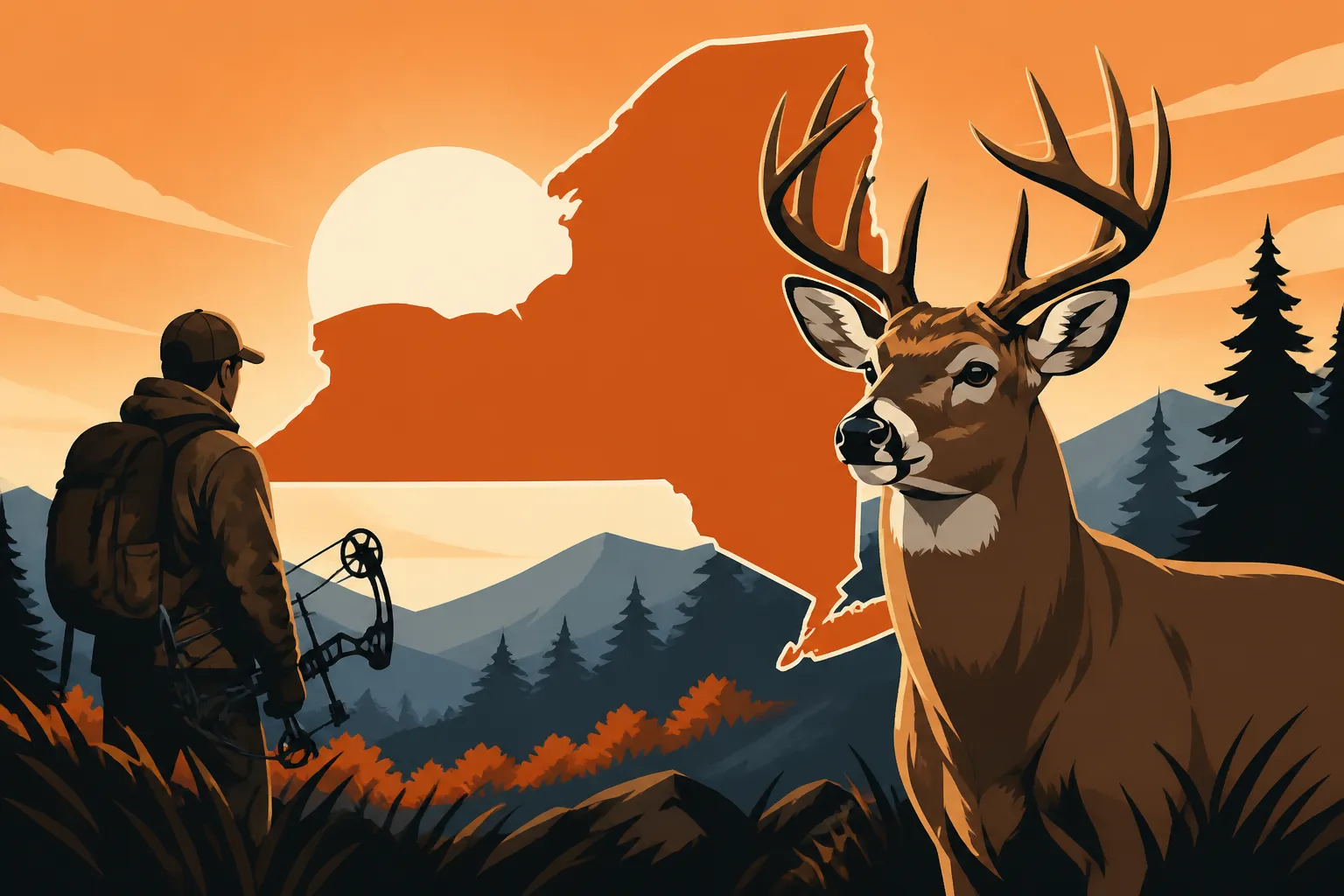
There’s a question every deer hunter in New York asks, usually with a hopeful glint in their eye: "When does the rut really peak?" It’s a frustrating question because it feels like it should have one simple answer, but anyone who’s spent time in a treestand knows it’s far more complicated than a single date on a calendar. This guide is going to peel back the layers of the New York rut, helping you understand not just when it generally peaks in both the Southern and Northern Zones, but also why it fluctuates, what signs to look for, and how you can maximize your hunting efforts during this magical time of year.
Unpacking the Rut: More Than Just a Peak Day
The "rut" isn't a single event; it's a dynamic, multi-week period of increased deer activity driven by the whitetail breeding cycle. Think of it as a play with several acts, each offering unique opportunities and challenges for hunters. Trying to pinpoint a single "peak day" often leads to disappointment because deer activity ebbs and flows, influenced by many factors beyond just hormones.
The Phases of the Rut Cycle
To truly understand when the New York rut peaks, we need to recognize its distinct phases. It's not like flipping a switch; it's a gradual build-up, a frenzy, and then a winding down.
Early Pre-Rut: Scrapes and Rubs Appear
This is when bucks start feeling the urge, even if the does aren't quite ready. You'll see a sudden explosion of fresh scrapes and rubs appearing in your hunting area, often along traditional travel corridors, field edges, and natural funnels. Bucks are starting to assert dominance, checking on scent posts, and getting their hormones flowing. This phase usually kicks off in late October in much of New York. You might start seeing more daytime buck activity as they begin cruising, looking for the first does to come into estrus. It's a great time to be in the woods, even if the full-blown chase is still a bit off.
Seeking Phase: Bucks on the Move
As more does approach estrus, bucks become relentless in their search. This is the classic "seeking" phase, typically spanning the first week or two of November. Bucks are covering ground, often traveling great distances, checking traditional doe bedding areas, feeding locations, and bottlenecks. They're driven by scent, following doe trails with their noses to the ground, and responding to subtle cues. This is when hunters often report seeing numerous bucks, sometimes younger ones, moving during daylight hours, but the full-on "chasing" isn't yet widespread. It's a fantastic time to use aggressive calling tactics like rattling and grunting in New York, as bucks are highly responsive and curious.
Chasing Phase: The True Peak Activity
This is what most hunters consider the "peak" of the rut, when a significant number of does come into estrus and bucks are actively pursuing them. The woods can feel alive with activity – bucks chasing does, does leading bucks on merry sprints, and sometimes multiple bucks vying for a single doe. This intense chasing phase typically hits its stride around the second and third weeks of November in many areas of New York. This is when deer movement can seem almost chaotic, and you might see deer at any time of day. For those wondering about Hunting the Rut in the Southern Zone or Hunting the Rut in the Northern Zone, this is often the sweet spot.
Breeding Phase: Paired Up
During the actual breeding phase, a mature buck will often "lock down" with an estrous doe for 24-48 hours, secluding her from other bucks. This can sometimes lead to a temporary lull in overall buck movement, especially from the bigger, more dominant deer, as they're busy attending to their chosen mate. Younger bucks, however, may still be cruising frantically, hoping to find an un-bred doe or steal one from a dominant buck. Don't despair if you don't see as many deer during a few days of this phase; it just means the action is happening in a more concentrated, hidden way.
Post-Rut/Second Rut: Exhaustion and Leftovers
After the main breeding, bucks are often exhausted and have lost significant body weight. They’ll shift their focus back to feeding heavily to recover. However, some does that weren't bred during the primary rut will cycle back into estrus approximately 28 days later. This "second rut" can provide a welcome surge of late-season activity, usually around early to mid-December, especially for hunters participating in New York's Southern Zone Firearm Season. Don't underestimate this period, particularly if you have a Deer Management Permit (DMP) to fill.
Southern Zone Rut Timing: What to Expect in Our Most Populous Deer Country
The vast majority of New York's deer hunters pursue whitetails in the Southern Zone, which covers everything south of the Adirondack Park and east of the St. Lawrence and Great Lakes plain. The rut timing here is relatively consistent year after year, offering a reliable window of peak activity for hunters.
The Classic Southern Zone Rut Window
Historically, the peak chasing and breeding activity in the Southern Zone generally falls within the second and third weeks of November. This aligns perfectly with the opening days of the regular firearm season, which is no coincidence – those early November firearm dates are designed to put hunters squarely in the middle of the most exciting deer movement. Many seasoned hunters will tell you that the period from roughly November 10th to November 20th is prime time for seeing frantic buck movement.
Regional Variations and What to Watch For
While the general window holds true, there can be subtle variations depending on where you are in the Southern Zone. For instance, deer in the rugged Hunting the New York Finger Lakes Region or the rolling hills of Hunting New York's Southern Tier might show intense rut activity at slightly different points. However, the overall physiological drive for does to come into estrus is primarily dictated by photoperiod (daylight length), making the variations minor from year to year. The key is to be in the woods during this two-week stretch, regardless of the specific locale.
To really dial in your timing, pay attention to the signs on the ground. Are the scrapes being actively refreshed? Are you seeing new rubs appearing daily? Are there signs of bucks cruising through areas they wouldn't normally frequent? Using a scouting app like GoHunt can help you mark these observations and even track patterns over time, giving you a better understanding of what's happening on your specific hunting grounds.
Northern Zone Rut Dynamics: Earlier, Intense, But Shorter
The Northern Zone, encompassing the Adirondack Park and its surrounding areas, presents a different rutting scenario. Due to generally harsher winters and a shorter growing season, deer here often operate on a slightly accelerated biological clock.
The Northern Zone's Earlier Peak
In the Northern Zone, the peak of the rut tends to occur slightly earlier than in the Southern Zone. You can often expect the most intense chasing and breeding activity to happen during the first two weeks of November, sometimes even creeping into the very end of October. This earlier peak is a biological adaptation to ensure fawns are born at an optimal time in the spring, allowing them the longest possible growing season before the harsh Adirondack winter sets in.
Intensity and Duration
While potentially starting earlier, the Northern Zone rut can also feel more compressed and intense. Bucks might be incredibly active for a shorter window, covering vast amounts of ground in search of does. However, because deer densities are generally lower in much of the Adirondack interior compared to the Southern Zone, you might not see the same sheer numbers of deer during the rut. The quality of hunting, however, can be exceptional, as mature bucks are often more visible. Hunters venturing into areas like the Adirondack Forest Preserve need to be prepared for this concentrated window.
Table: New York Rut Activity Comparison
| Rut Phase | Southern Zone General Timing (Peak) | Northern Zone General Timing (Peak) | Key Activity |
|---|---|---|---|
| Pre-Rut | Late October – Early November | Mid-Late October | Scrapes, rubs, increased buck cruising |
| Seeking Phase | Early-Mid November | Late October – Early November | Bucks actively searching for does, responsive to calls |
| Chasing Phase | Mid-November (Nov 10-20) | Early November (Nov 1-15) | High energy, bucks pursuing does, peak movement |
| Breeding Phase | Mid-Late November | Mid-November | Bucks paired with does, potential movement lull |
| Post-Rut/Second Rut | Early-Mid December | Late November – Early December | Bucks recovering, some does re-cycling |
Factors Influencing Rut Activity: Beyond the Calendar
While genetics and photoperiod are the primary drivers of the rut, several other environmental and population factors can influence how and when you observe peak deer activity on the ground. These aren't necessarily changing the biological "peak" but rather how visible and intense the deer movement appears to hunters.
Weather Conditions and Their Impact
Weather plays a huge role in deer movement during the rut. Cold, crisp days following a cold front often ignite deer activity. A sudden dip in temperature after a warm spell can make bucks become incredibly active. Conversely, unusually warm weather during November can suppress daytime movement, pushing activity more towards dawn and dusk, or even into the night. Heavy rain or strong winds can also reduce visible movement, making deer hunker down. Paying attention to the forecast and adapting your hunting strategy accordingly is crucial. A good rule of thumb is that stable, cooler weather generally means more consistent daytime deer movement.
Hunting Pressure
New York sees a lot of hunting pressure, especially on public lands during the opening weeks of the firearm season. High pressure can certainly impact observed rut activity. If an area gets pounded by hunters, even during the peak rut, deer might become more nocturnal or move into thicker cover, making it harder to spot them. This is why tactics like Hunting Pressure on New York Public Land are so important. Finding those overlooked pockets, or being willing to walk a little further than others, can pay off immensely. Using a mapping tool like GoHunt can help identify areas that might see less pressure, by analyzing topography and access points.
Doe-to-Buck Ratio
A healthy doe-to-buck ratio, ideally closer to 2 or 3 does per buck, contributes to a more intense and drawn-out rut, as bucks have to work harder to find receptive does. In areas where antlerless harvests are less successful or management objectives differ, a highly skewed ratio with many more does can sometimes lead to a less "dramatic" rut, as bucks don't have to compete as hard or cover as much ground. Understanding the deer density by Deer Density by New York Wildlife Unit can give you insights into what to expect in your specific hunting area.
Acorn Crops and Food Availability
Believe it or not, the abundance or scarcity of natural food sources, like acorns, can influence where deer are during the rut and how they move. In years with a bumper acorn crop, deer might be more spread out, feeding in vast oak forests. Bucks will still cruise, but they might not be concentrated around traditional food plots or agricultural fields as much. In a poor acorn year, deer will consolidate around other available food sources, which can make it easier for hunters to predict travel patterns. This is part of the challenge and reward of Hunting After a Poor Acorn Year.
Optimizing Your Hunt During the Rut: Tactics for Each Phase
Knowing when the rut peaks is only half the battle; knowing how to hunt it effectively is the other. Different phases call for different strategies.
Pre-Rut: Scouting and Setting Up
The pre-rut is your last chance to fine-tune your strategy. Focus on identifying fresh sign – new rubs, active scrapes, and distinct travel corridors. This is the time to confirm your stand locations or set up new ones in areas where bucks are beginning to cruise. Bucks are often predictable as they check sign and transition between bedding and feeding. Consider placing trail cameras on scrapes to monitor buck activity. A mobile setup like a treestand or saddle can be very effective if you're adapting to new information daily.
Seeking and Chasing Phases: Aggressive Tactics and All-Day Sits
When bucks are actively seeking and chasing, it's time to get aggressive. This is the prime window for calling. Loud rattling sequences can pull in curious bucks from a distance, while well-placed grunt calls can stop a cruising buck or challenge one already with a doe. Focus your efforts on pinch points, funnels, and natural barriers that force deer movement into predictable patterns. These are the kinds of spots you find when Reading a Ridge for Catskill Deer Movement or hunting a creek bottom.
During the peak chasing phase, the biggest bucks might be on their feet at any time of day, making all-day sits incredibly effective. Bring plenty of food, water, and warm layers to stay comfortable. You never know when that dominant buck will make an appearance. Using a mapping tool in GoHunt can help you identify overlooked thermal hubs or leeward benches where bucks might stage during midday lulls.
Breeding Phase: Patience and Doe Bedding Areas
During the breeding phase, when bucks are often locked down with a doe, visible movement can slow. This is not the time to give up! Instead, shift your focus to dense doe bedding areas. The bucks are there, just hidden. Access these spots carefully, paying close attention to wind direction, and be prepared for a close encounter. If a buck has a doe locked down, he won't be far away, and sometimes grunting or a subtle doe bleat can draw him out of hiding. This is also a good time to consider still-hunting through thick cover, slowly moving through known deer haunts.
Post-Rut/Second Rut: Food Sources are Key
After the main rut, bucks are depleted and hungry. They will prioritize replenishing energy reserves. Shift your focus entirely to primary food sources – standing corn, late-season brassicas, or even newly fallen acorns if they are still available. Early mornings and late afternoons near these food sources can be highly productive. The "second rut" can occur roughly 28 days after the main peak, offering another brief surge of breeding activity, so don't discount those early December hunts, especially when targeting Late-Season Food Sources for New York Whitetails.
Regardless of the specific "peak" date, being in the woods consistently during the general November timeframe is your best bet for encountering rutting bucks in New York. Adapt your tactics to the phase of the rut and the conditions you encounter, and you'll greatly increase your odds of success.
Disclaimer
This article is for general informational purposes only and does not constitute professional advice. Laws, prices and regulations vary by location and change over time. Consult a qualified professional for guidance on your specific situation.