Why New York Tracks Captive Deer Facilities
For anyone who loves pursuing whitetails in New York, the health of our wild deer herd is paramount. It can feel a bit confusing or even intrusive when you hear about the state tracking private captive deer facilities, especially if your focus is squarely on public land or traditional wild hunting. However, this seemingly bureaucratic oversight is actually a critical line of defense against devastating wildlife diseases, ensuring the vitality of our beloved game animals for generations to come. This guide will deep-dive into precisely why New York takes such a keen interest in captive deer operations and how it protects our wild resources.
Understanding Captive Deer Facilities in New York
When we talk about "captive deer facilities" in New York, it's not always immediately clear what that entails. Many hunters might picture large-scale deer farms common in other parts of the country, but New York's landscape of captive cervid operations is actually quite varied. Understanding these different types of facilities is key to grasping why state oversight is so necessary.
What Exactly Are These Facilities?
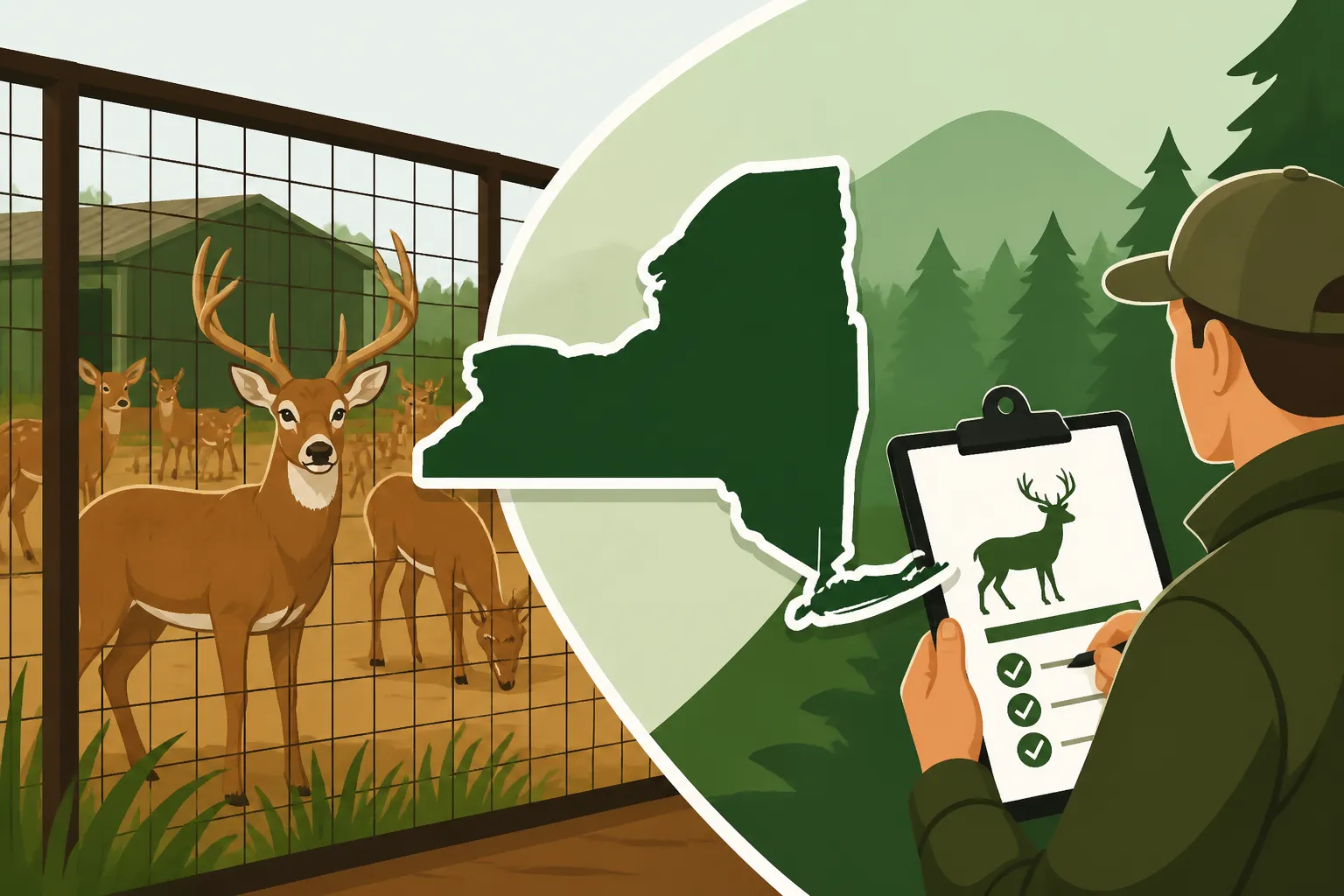
At its core, a captive deer facility is any location where deer, elk, or other cervids (the scientific family that includes deer) are held within an enclosure, rather than roaming free in the wild. These are not typically massive, sprawling operations, especially compared to some western states, but they exist in various forms across New York. These can range from small hobby farms with a handful of deer to larger agricultural enterprises, or even zoological parks and wildlife rehabilitation centers that house cervids. The common thread is that these animals are physically separated from the wild population, usually by fencing, and their movements are controlled by humans. This distinction from wild deer is crucial when it comes to managing disease risk.
The Different Types of Operations
New York classifies these facilities based on their primary purpose, and each type brings its own set of regulatory considerations. You might encounter game farms raising deer for venison or antler products, though this is less common than in some other states. More frequently, we see facilities focused on breeding for genetic traits, or those used for display purposes, such as petting zoos or nature centers. There are also cervids held in various research facilities, and licensed wildlife rehabilitators often house injured or orphaned deer temporarily. Each of these operations, regardless of its size or intent, represents a potential interface between captive and wild populations. This means that stringent tracking and regulation are essential to prevent any unintended consequences, particularly the spread of disease, which could impact hunting seasons and opportunities for hunters who might use tools like GoHunt to plan their excursions.
Here's a brief overview of some common types of captive cervid facilities:
| Facility Type | Primary Purpose | Key Regulatory Concerns |
|---|---|---|
| Deer Farms | Raising deer for meat, antlers, or breeding stock | Disease transmission, escape prevention, animal welfare |
| Zoological Parks | Public display, education, conservation | Disease monitoring, secure containment, public safety |
| Rehabilitation Centers | Care for injured/orphaned wild cervids, release | Disease screening, preventing habituation, genetic integrity |
| Research Facilities | Scientific study of cervid health, behavior, ecology | Biosecurity, ethical treatment, strict containment |
| Hobby Farms | Private ownership, sometimes for enjoyment or small-scale breeding | Variable oversight, potential for lax biosecurity, escape |
The Primary Threat: Chronic Wasting Disease (CWD)
The number one reason New York meticulously tracks captive deer facilities is the persistent and devastating threat of Chronic Wasting Disease (CWD). This neurological disease is a game-changer for deer populations and presents an enormous challenge for wildlife management worldwide.
How CWD Spreads and Its Devastating Impact
CWD is a transmissible spongiform encephalopathy (TSE) that affects deer, elk, moose, and caribou. It's caused by abnormal proteins called prions, which accumulate in the brain and other tissues, leading to inevitable neurological degeneration, emaciation, and eventually death. What makes CWD so terrifying is its extreme persistence in the environment. Prions can remain infectious in soil, plants, and even water for years, making eradication incredibly difficult once established.
The disease spreads primarily through direct contact between animals, but also through indirect contact with contaminated environments, such as feed, water, and soil where infected animals have left saliva, urine, or feces. Carcass parts from infected animals can also spread the disease. Imagine a captive deer with CWD escaping into the wild, or its waste contaminating a stream that flows into wild deer habitat. The potential for rapid spread and long-term environmental contamination is immense, posing a serious threat to White-Tailed Deer Across New York and other cervids. Once CWD takes hold in a wild population, there is no known cure, vaccine, or practical way to remove the prions from the environment, leading to long-term population declines and significantly impacting hunting opportunities.
New York's Proactive Stance Against CWD
New York has maintained a strong proactive stance to prevent CWD from establishing a foothold in its wild deer population, and so far, these efforts have been largely successful. The state understands that the most effective strategy is prevention, especially since the disease can spread from captive animals to wild ones, and vice-versa. New York experienced a limited CWD outbreak in a captive herd and a few wild deer in Oneida County years ago, which was aggressively contained. That incident, known as The Herkimer County Captive CWD Case, served as a stark reminder of the danger and underscored the need for vigilant monitoring of all cervid facilities.
By closely tracking captive deer facilities, including conducting regular inspections and requiring strict biosecurity measures, New York aims to create a buffer zone. This oversight minimizes the chance of CWD entering these facilities, and critically, prevents any potential breaches that could allow infected animals or contaminated materials to move into our wild deer herds. This commitment helps safeguard our hunting heritage, ensuring robust and healthy wild deer for future generations.
Regulatory Framework and Oversight
Protecting New York's wild deer from diseases originating in or amplified by captive facilities requires a robust regulatory framework. It’s a joint effort involving several state agencies, all working to maintain the health of both captive and wild cervids. This framework involves everything from licensing to strict testing protocols and movement restrictions.
DEC and Ag & Markets Roles
In New York, the responsibility for overseeing captive deer facilities is primarily shared between the Department of Environmental Conservation (DEC) and the Department of Agriculture and Markets (Ag & Markets). The DEC typically handles the broader wildlife management and protection aspects, including concerns about interaction with wild populations and compliance with general wildlife laws. Ag & Markets, on the other hand, usually focuses on the health and welfare of animals raised in agricultural settings, including disease surveillance and biosecurity protocols for farms.
This dual oversight ensures comprehensive coverage. Ag & Markets, for instance, might regulate the husbandry practices and health testing requirements for a captive deer farm, while the DEC might enforce fencing requirements to prevent escapes and investigate any instances of wild deer coming into contact with captive ones. This collaborative approach means that every angle of potential disease transmission, from the health of the individual captive animal to the integrity of the surrounding wild habitat, is considered. It's a complex system, but a necessary one to protect the wild resources that hunters, who often rely on detailed information from sources like GoHunt for their planning, cherish.
Mandatory Testing and Reporting
One of the most critical components of New York's strategy is mandatory CWD testing for captive cervids. Facilities are required to test any cervid that dies within their care, especially those that show signs consistent with CWD. This allows for early detection and rapid response if the disease ever appears. Imagine the devastation if CWD were to go unnoticed in a captive herd for an extended period, allowing it to spread silently. Mandatory testing acts as an early warning system.
Beyond CWD, facilities are also subject to other health monitoring and reporting requirements. This includes keeping detailed records of animal movements, births, deaths, and any observed illnesses. These records are vital for epidemiological tracking, allowing authorities to trace potential disease pathways if an outbreak occurs. This level of detail helps pinpoint sources and implement targeted control measures quickly, reducing the risk to the broader wild population. Understanding these rules is as important for deer hunters as learning New York Deer Reporting Requirements for their wild harvests.
Movement Restrictions and Carcass Rules
Preventing the physical movement of potentially infected animals or materials is another cornerstone of New York's defense strategy. Strict regulations govern the import and export of cervids into and out of the state, as well as movements between facilities within New York. This ensures that no animals are brought in from areas where CWD is endemic without rigorous testing and certification.
Furthermore, there are explicit rules regarding the handling and disposal of carcasses from captive deer facilities, particularly if CWD is suspected or confirmed. These rules are designed to prevent the environmental contamination that CWD prions are notorious for. Hunters should also be aware of New York Carcass Transport Restrictions when bringing deer back from out of state or from a CWD containment area, as similar principles apply to prevent spread. By managing these movements and disposals carefully, New York actively works to prevent CWD from ever reaching our wild deer populations, safeguarding the health of our herds across diverse regions, from the Western New York farmland deer to those in the Adirondacks.
Impact on Wild Deer Populations and Hunters
The comprehensive tracking and regulation of captive deer facilities directly impact the health of our wild deer populations and, by extension, the quality of hunting opportunities in New York. This oversight isn't just about controlling private businesses; it's about protecting a public resource that is vital to the state's ecology and economy.
Protecting the Resource We Cherish
Our wild deer herd is a natural treasure, providing ecological balance, economic benefits through hunting and tourism, and deep cultural value for many New Yorkers. The introduction of a disease like CWD into this wild population would be catastrophic. We're not just talking about a few sick deer; we're talking about long-term declines, altered deer behavior, and a fundamental shift in the health of our forests and fields. New York has seen localized disease outbreaks, such as EHD Die-Offs in New York Deer, but CWD presents a far more insidious and persistent threat.
By keeping a tight leash on captive facilities, New York is proactively guarding against this ecological disaster. Every inspection, every test, every restricted movement is a step towards ensuring that our wild deer can continue to thrive, free from the shadow of CWD. This vigilant approach helps maintain the integrity of our ecosystems and preserves the very essence of what makes hunting in New York so special. It means that when you're out Scouting New York Public Land Before Season, you can focus on finding deer, not worrying about widespread disease.
The Hunter's Role in Prevention
As hunters, we have a critical role to play in supporting New York's efforts to prevent CWD and other wildlife diseases. Our actions, both in the field and in advocating for sound wildlife management, are invaluable. One of the most important things we can do is stay informed about current regulations and disease outbreaks. Resources are available from the DEC to understand New York CWD Testing for Hunters and how to report any suspicious activity or sick animals.
Furthermore, ethical hunting practices contribute significantly. This includes proper carcass disposal, respecting property lines, and adhering to all game transport regulations. If you harvest a deer, especially near areas with known CWD concerns, consider having it tested. Many hunters use mapping and information tools, and while GoHunt is fantastic for finding prime hunting spots, it's equally important to leverage state resources to stay updated on disease risks and containment efforts. Being a responsible hunter means being an informed hunter, actively participating in the health of the wild resource we love.
Disclaimer
This article is for general informational purposes only and does not constitute professional advice. Laws, prices and regulations vary by location and change over time. Consult a qualified professional for guidance on your specific situation.