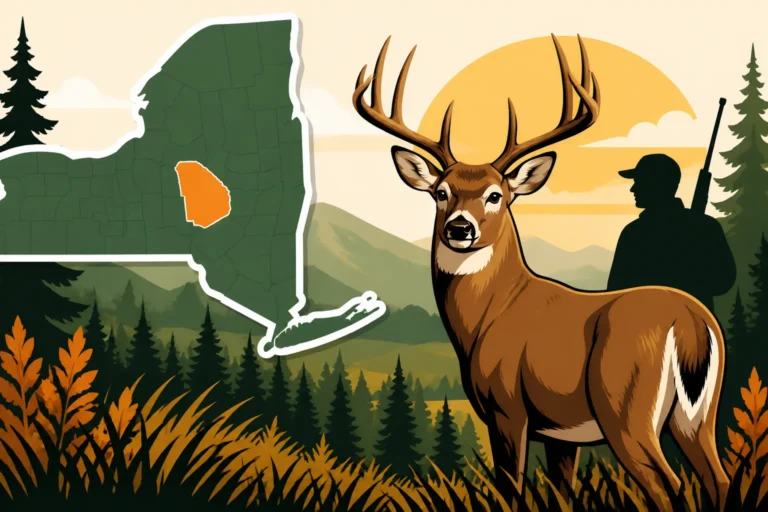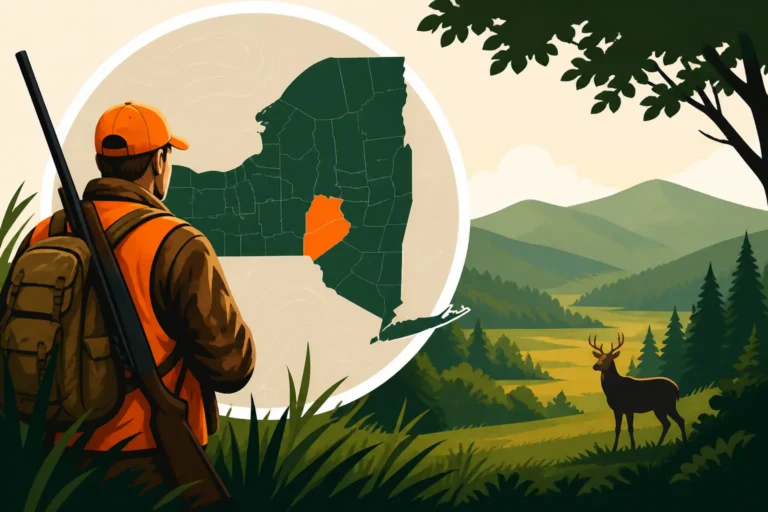
Public Ground Near Watertown
Hunting near Watertown, New York, presents a fantastic opportunity for sportsmen, but finding productive public ground can often feel like searching for a needle in a haystack. Many hunters, especially those new to the region, grapple with identifying accessible parcels, understanding the local habitat, and knowing where to focus their efforts to find deer, turkeys, or small game. This comprehensive guide aims to demystify the public hunting lands around Watertown, providing you with the knowledge and tactics to successfully navigate and hunt these diverse and rewarding areas.
The Unique Hunting Landscape Around Watertown
The region surrounding Watertown is incredibly diverse, offering a rich tapestry of habitats influenced by its unique geography. This isn't just one type of forest; it's a blend of distinct ecosystems that shape everything from the weather you'll face to the game you'll pursue. Understanding these influences is the first step to becoming a more effective hunter here.
Geographic Influences: Lake Ontario, Tug Hill, and the St. Lawrence River Valley
Watertown sits in a fascinating transition zone, cradled by the immense influence of Lake Ontario to the west, the rugged Tug Hill Plateau to the southeast, and the sprawling St. Lawrence River Valley to the north. Each of these features plays a significant role in defining the hunting opportunities available.
The proximity to Lake Ontario isn't just about beautiful sunsets; it profoundly affects weather patterns, most notably through lake-effect snow that can blanket areas just inland during the late season. This moderating influence on temperatures can also impact deer movement, sometimes keeping them active longer into colder periods compared to more inland regions. The terrain near the lake often features rolling drumlins, fertile river bottoms, and extensive wetlands, creating prime habitat for various waterfowl and offering unique challenges for deer hunters. You'll find marshes and lowland forests that hold birds, but also provide dense cover for whitetails.
To the southeast, the Tug Hill Plateau rises dramatically, an elevated, heavily forested region renowned for its deep snows and dense northern hardwood forests. This area is a different world entirely, characterized by vast, unbroken timber tracts, conifer swamps, and numerous deer wintering yards. Hunting here often means navigating deep snow, relying on terrain features for travel corridors, and understanding how deer survive and move in extreme conditions. It's a place where endurance and keen woodsmanship truly pay off. Hunting Tug Hill Plateau Deer
Heading north, the landscape flattens somewhat into the St. Lawrence River Valley. While still featuring significant timber, this area often includes more agricultural land interspersed with woodlots and riverine environments. This mix creates excellent edge habitat, which is a magnet for deer and turkeys. The valley also serves as an important migratory corridor, making it a hotspot for waterfowl, especially along the river itself and its numerous tributaries. The terrain can be less physically demanding than Tug Hill, but the challenge often lies in deciphering deer patterns across fragmented cover and agricultural fields.
Game Species to Expect in the Region
Given this varied landscape, the Watertown area supports a healthy population of several popular game species. Knowing what to expect in each habitat type will help you tailor your hunting approach.
White-tailed deer are, without a doubt, the star of the show. They are abundant throughout the region, thriving in the mixed forests, agricultural edges, and swampy covers. In the Tug Hill portions, deer populations are robust, and hunters can find success targeting their wintering yards as the snow deepens, or intercepting them in the fringes of the big woods. In the St. Lawrence Valley, deer often utilize the transition zones between fields and forests, making stand placement critical. White-Tailed Deer Across New York
Wild turkeys are also a significant draw, especially in the spring. You'll find strong populations wherever there's a good mix of mature timber for roosting and open agricultural fields or old clearings for feeding. The rolling terrain and mixed hardwoods found in many state forests provide excellent turkey habitat.
For those who enjoy small game, the region won't disappoint. Squirrels are plentiful in the oak and beech stands, while rabbits often inhabit the dense brush and old field edges. Grouse can be found in regenerating aspen cuts and younger hardwood stands, particularly on Tug Hill, and woodcock frequent the alder thickets and moist bottomlands. Ruffed Grouse and Woodcock in New York
Finally, the extensive waterways, particularly Lake Ontario and the St. Lawrence River, offer outstanding waterfowl opportunities. Hunters can pursue various species of ducks and geese, from puddle ducks in the marshes to diver ducks on the open waters. New York Waterfowl on the Atlantic Flyway While less common than in the Southern Zone, black bears do roam the larger, wilder tracts of forest, especially within the Tug Hill Plateau's expansive timber. They require a more specialized approach, focusing on natural food sources rather than bait. New York's Black Bear Population
Unearthing Public Hunting Opportunities Near Watertown
Now that you have a sense of the landscape and the game, let's talk about where you can actually go to hunt. The Watertown area is fortunate to have a good amount of public land, primarily in the form of State Forests and Wildlife Management Areas, each offering a distinct hunting experience.
Exploring New York State Forests
New York State Forests are some of the most accessible and widespread public hunting grounds you'll find. These lands are managed for a variety of uses, including timber production, recreation, and wildlife habitat. For hunters, they often represent vast, contiguous blocks of forest where you can truly immerse yourself in a wild setting.
You'll typically encounter rolling hills, a mix of hardwood and softwood timber stands, and a network of logging roads and trails. These roads, while often rough, provide crucial access deep into the forest and can act as excellent travel corridors for game. The sheer size of many State Forests means you can often find solitude, especially if you're willing to walk a bit further from common access points.
Notable examples in the region include the extensive Tug Hill State Forest in Lewis and Jefferson counties, which offers thousands of acres of deep woods hunting. This is prime territory for deer, especially as winter sets in and they seek refuge in denser cover. Other State Forests in nearby counties, like Jefferson and Lewis, also provide excellent opportunities. Accessibility is generally good, with many parcels bordering town roads, offering designated parking areas, or allowing walk-in access from unmaintained roads. New York State Forest Hunting
The main advantage of State Forests is their relatively low hunting pressure compared to some WMAs, especially once you get away from the immediate road frontage. This makes them ideal for still-hunting, scouting extensive areas, or setting up for longer treks. The downside is that their vastness can be overwhelming; without good navigational tools and a solid plan, it's easy to get disoriented or feel like you're simply wandering without purpose.
Hunting New York Wildlife Management Areas (WMAs)
Wildlife Management Areas, or WMAs, are purpose-built for wildlife. These lands are actively managed by the New York Department of Environmental Conservation (DEC) to enhance habitat for various species, making them highly productive hunting grounds. They often feature a more diverse mosaic of ecosystems compared to State Forests, including marshes, grasslands, brushy fields, and timber stands.
Near Watertown, Perch River WMA is a prime example. This sprawling WMA, located northwest of Watertown, is a haven for waterfowl, but also supports strong populations of deer, turkeys, and various small game. Its diverse habitats, including open water, marsh, and upland fields, attract a wide array of wildlife. Other WMAs like French Creek WMA also offer compelling opportunities, particularly for deer and turkeys utilizing mixed habitat. How New York WMAs Are Managed
Hunting WMAs often comes with specific regulations tailored to their unique habitat and target species. For example, waterfowl hunting areas might require the use of non-toxic shot, and some WMAs have specific rules regarding access, parking, or even daily permits. It's crucial to always check the individual WMA regulations before heading out. The biggest draw of WMAs is their excellent habitat management, which often leads to higher concentrations of game. However, this also means they can be incredibly popular and experience significant hunting pressure, especially on opening day or during peak seasons.
Other Public Lands and Access Programs
While State Forests and WMAs form the backbone of public hunting opportunities, there are other avenues to explore. Occasionally, some county-owned forests or municipal lands might permit hunting, though these opportunities vary widely by locality and are often smaller in scale. It's always worth checking with local government offices for specific regulations.
Additionally, New York operates Public Access Cooperator Farms. While perhaps less prevalent immediately around Watertown compared to some agricultural belts, these programs involve private landowners opening their property to public hunting, often for specific game like pheasants or deer. These lands are clearly marked with DEC signs, indicating the allowed activities. They can be excellent places to hunt if you find one in your target area, as they typically offer managed habitat and reduced pressure compared to traditional public lands. Posted Land and Public Access Cooperator Farms
It’s important to remember that all hunters on public land have a responsibility to know and follow the rules, and to respect both the land and other users.
Navigating and Hunting Your Chosen Public Ground
Once you've identified a promising piece of public land, the real work—and fun—begins. Effective navigation, thorough scouting, and species-specific tactics are key to a successful hunt. This is where modern tools and old-school woodsmanship converge to give you the edge.
Essential Mapping and Scouting Tools
In today's hunting world, reliable mapping is non-negotiable, especially on vast public lands. While a good old-fashioned paper map remains an indispensable backup, digital mapping apps have revolutionized how we scout and navigate.
Tools like onX Hunt are an absolute game-changer. Imagine being able to see property boundaries, landowner information (which can be incredibly helpful for identifying adjacent private land to potentially seek permission), detailed topographic maps, and crystal-clear satellite imagery all on your phone. With onX Hunt, you can mark waypoints for potential stand locations, track your movement, and identify key terrain features like funnels, pinch points, bedding areas, and water sources before you even set foot in the woods. This allows you to develop a strategic plan rather than just wandering. It's an invaluable asset for breaking down large State Forests or understanding the complex habitat mosaic of a WMA.
Another resource like GoHunt can provide excellent detailed regional information, including harvest data, species distribution, and insights into specific public land units, helping you narrow down your search even further before you start digging into the minute details of mapping. While onX is your in-field navigator, GoHunt is more for the broader research phase.
Beyond the digital realm, scouting with your boots on the ground is still paramount. There's no substitute for experiencing the terrain firsthand, reading the immediate sign, and understanding recent animal activity. Pre-season scouting allows you to locate fresh rubs, active scrapes, well-worn game trails, and preferred feeding areas. Trail cameras, where allowed, can provide invaluable intelligence on game movement patterns and buck behavior, especially when placed along likely travel corridors or near bedding areas. Scouting New York Public Land Before Season Learning to read the subtle clues animals leave – tracks, droppings, browse lines – will always be a critical skill for any successful hunter.
Tactics for Deer, Turkey, and Small Game
Tailoring your tactics to the species you're pursuing and the specific public land you're on will dramatically increase your chances of success.
For deer, focus on transition areas where two distinct habitat types meet, like the edge of a clearcut and mature timber, or a swamp and an upland ridge. Old logging roads often serve as major travel corridors. In the Tug Hill region, especially as colder weather sets in, identifying and hunting the fringes of deer yards – dense conifer stands where deer congregate for shelter – can be highly productive. Early in the season, prioritize food sources: fresh acorns, soft mast, or agricultural fields bordering public land. As the rut approaches, shift your focus to travel corridors between bedding and feeding areas, or natural funnels and pinch points where bucks will be searching for does. For late season, dense cover and any remaining persistent food sources are key. Late-Season Food Sources for New York Whitetails
When it comes to turkeys, early morning is all about finding where they roost. Listen for gobblers on the roost, then set up quietly between their roost tree and a likely fly-down area. Calling from a good setup with ample cover, often against a large tree, is essential. Later in the day, especially on expansive public land, "run-and-gun" tactics can be effective: covering ground, making a few calls, and moving on if you don't get a response. Look for areas with a mix of mature timber and open fields, common in both State Forests and the agricultural interfaces of the St. Lawrence Valley. Calling a New York Gobbler Off the Roost
Small game hunting is often about habitat specific to the species. For grouse, seek out regenerating aspen cuts or thick, young hardwood stands that offer both food and cover. Woodcock prefer moist, alder-choked bottomlands near streams or wetlands. Rabbits will be found in dense brush piles, briar patches, and overgrown field edges. Squirrels are most commonly found in mature oak and beech ridges, where they can feed on mast. Learning to identify these specific cover types on your maps and then confirming them on the ground is vital.
Respecting the Resource and Other Users
Hunting public land is a privilege, and it comes with the responsibility of respecting the environment and sharing the space with other outdoor enthusiasts. Your conduct can shape the future of hunting access.
Understanding Public Land Regulations and Ethics
Always familiarize yourself with the general New York hunting regulations, such as blaze orange requirements during firearm seasons, legal shooting hours, and ethical shot selection. New York Blaze Orange Requirements However, it's equally important to understand that specific public land units, especially WMAs, may have their own additional rules. These can include restrictions on vehicle access, special parking regulations, non-toxic shot requirements for certain areas, or even specific hunting zones. The DEC website and kiosk postings at public land entrances are your best resources for this information.
Beyond the written rules, there's an unwritten code of ethics. Pack out everything you pack in—leave no trace. If you're using a treestand on public land, know the rules; many require stands to be removed daily, or only allow specific non-damaging types. Treestand Rules on New York Public Land Remember that public land is shared space. You'll encounter hikers, birdwatchers, mountain bikers, and other hunters. A courteous wave, a friendly hello, or simply giving others space goes a long way in fostering a positive perception of hunters.
Dealing with Hunting Pressure and Finding Solitude
One of the most common frustrations on public land, especially closer to populated areas or on readily accessible WMAs, is hunting pressure. It can feel like every good spot is already taken, particularly on opening weekend. However, with a little strategy and effort, you can often find solitude and productive hunting.
The simplest strategy is often the most effective: walk further. Most hunters don't venture more than a quarter to a half-mile from an access point. If you're willing to go a mile or two (or more) into a large State Forest or a remote section of a WMA, you'll dramatically reduce the pressure you encounter. Using detailed topo maps to find difficult-to-access terrain – steep ravines, dense swamps, or thickets that are tough to walk through – can lead you to areas where game feels safer and hunters are scarce. Finding Ground Others Walk Past Consider hunting mid-week when possible, as weekends see the highest influx of hunters. Exploring lesser-known parcels of State Forest, rather than just the most popular WMAs, can also yield excellent results.
Remember, patience, persistence, and a willingness to explore off the beaten path are your greatest allies when hunting public land near Watertown. The opportunities are there if you're willing to put in the work.
| Public Land Type | Typical Terrain | Common Game | Hunting Pressure | Key Features |
|---|---|---|---|---|
| New York State Forests | Rolling hills, mixed hardwoods/softwoods, logging roads, some swamps | White-tailed Deer, Wild Turkey, Squirrels, Grouse, Rabbit | Moderate (can be low with effort) | Large acreage, remote feel, timber operations, diverse habitats |
| Wildlife Management Areas (WMAs) | Varied: marsh, field, young forest, mature timber, river/lake access | Waterfowl, White-tailed Deer, Wild Turkey, Rabbit, Pheasant (stocked) | Moderate to High (esp. opening days/weekends) | Actively managed for wildlife, good access, specific habitat zones |
| Tug Hill Plateau State Forests | Higher elevation, dense northern hardwoods, conifer swamps, deep snow | White-tailed Deer (wintering yards), Wild Turkey, Grouse, Coyote | Moderate, but difficult access can reduce it | Rugged terrain, extreme winter conditions, extensive timber |
| St. Lawrence River Valley Forests | Flatter, mixed agriculture/woodlots, river bottoms, wetlands | White-tailed Deer, Wild Turkey, Waterfowl, Rabbit, Coyote | Moderate | Productive edge habitat, river influence, agricultural interface |
Hunting the public lands near Watertown, New York, offers an incredible array of experiences, from the quiet solitude of a vast State Forest on Tug Hill to the dynamic environment of a WMA teeming with waterfowl. By understanding the unique geographical influences, utilizing modern mapping tools like onX Hunt, and applying species-specific tactics while always adhering to regulations and ethical practices, you can unlock some truly rewarding hunting adventures in this vibrant part of New York. Get out there, explore, and enjoy the rich opportunities that await!
Disclaimer
This article is for general informational purposes only and does not constitute professional advice. Laws, prices and regulations vary by location and change over time. Consult a qualified professional for guidance on your specific situation.