Why New York May Drop Crossbow Limb Limits
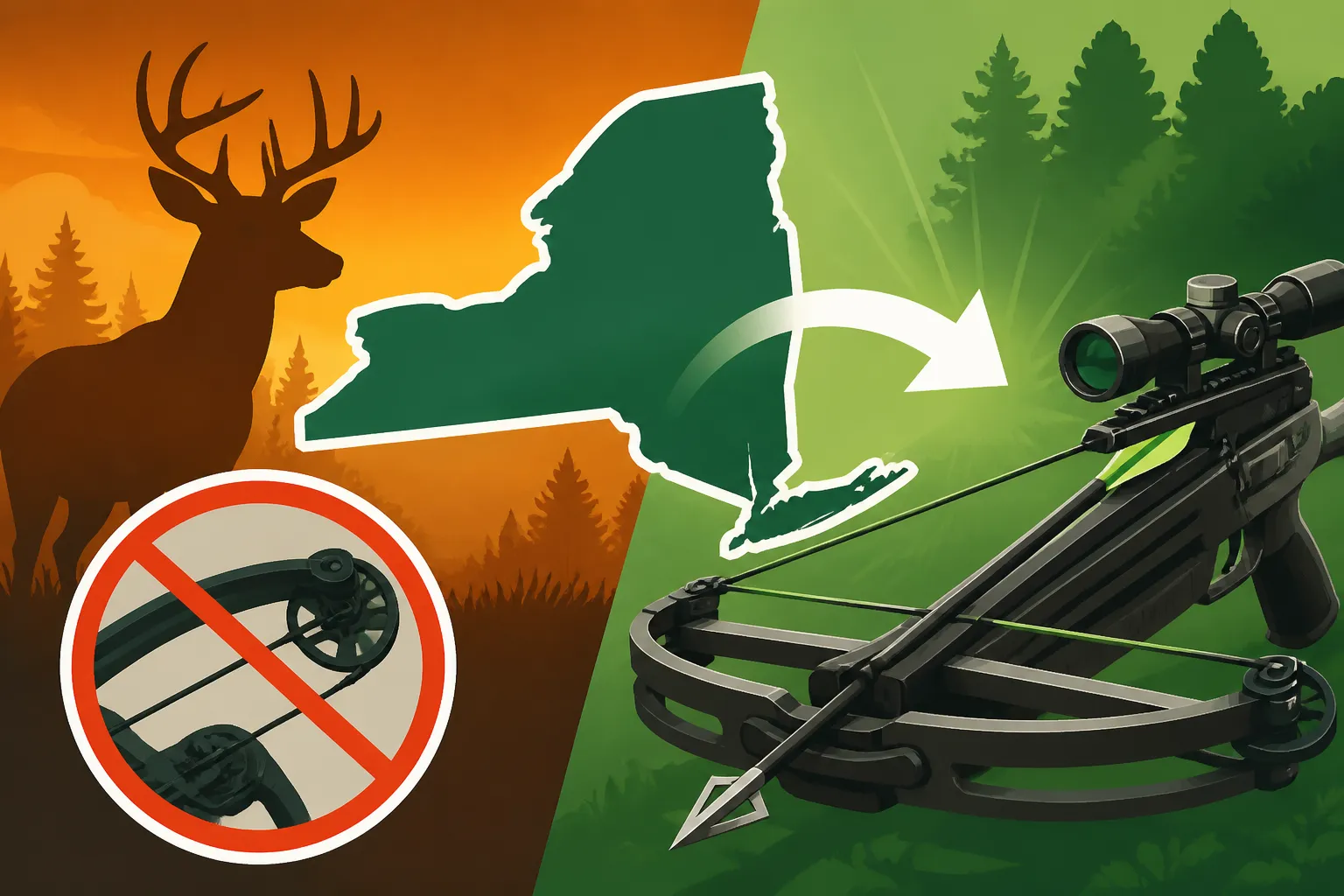
It's frustrating when you're trying to choose the right gear for a hunt, only to find that seemingly arbitrary rules put a wrench in your plans. New York hunters, particularly those eyeing crossbows, have often felt this pinch when it comes to limb limits and other specific regulations. This guide is here to unravel the complexities surrounding New York's crossbow limb limits, delve into why these discussions are happening, and explore what potential changes could mean for hunters across the state.
Understanding the Current Crossbow Landscape in New York
New York's hunting regulations can sometimes feel like a maze, especially when it comes to specific equipment. Crossbows, in particular, have a unique history and set of rules that have evolved over time, and continue to be a topic of conversation among hunters and wildlife managers alike.
Historical Context of Crossbow Regulations
Crossbows weren't always a widespread option for hunting deer in New York. For a long time, traditional archery equipment – recurve and compound bows – held the exclusive spot during archery seasons. When crossbows were eventually introduced, it wasn't without careful consideration and, frankly, a lot of debate. Many traditional archers voiced concerns about the perceived "fair chase" aspect, the ease of use, and potential impacts on deer populations.
Because of these concerns, the initial integration of crossbows came with specific limitations. These weren't just about general safety, but often about trying to ensure crossbows fit within a certain "power envelope" that wasn't seen as too far removed from traditional bows. This meant rules dictating not just draw weight, but sometimes the physical dimensions of the crossbow, like limb width. Hunters wanting to participate had to meticulously check these specifications to ensure their equipment was legal, leading to some head-scratching moments when a preferred model might be legal in a neighboring state but not quite right for New York. It was a learning curve for everyone, both hunters adapting to the new rules and the state figuring out how to manage this new tool in the field.
The Specifics of "Limb Limits" and Draw Weight
When we talk about "limb limits" in New York's crossbow regulations, it's often referring to more than just the physical width of the limbs. While limb width can be a factor, it's typically tied into the overall power stroke, kinetic energy output, and draw weight of the crossbow. These rules are designed to set a specific performance standard, aiming to define what constitutes a legal crossbow for hunting in the state. For example, there might be a maximum draw weight or a minimum kinetic energy requirement, and sometimes these are indirectly linked to the physical design of the limbs and cam system.
The frustration for hunters often stems from the technical jargon and the fact that modern crossbow technology is constantly evolving. A rule written years ago about a certain limb width might not accurately reflect the power or design of a brand-new, compact crossbow model today. You could have a very narrow-limbed crossbow that is incredibly powerful and efficient due to advanced cam systems, yet it might theoretically bump up against an older "limb width" regulation designed for a much bulkier, less efficient model. This creates a challenging situation for hunters trying to select equipment, and often requires a deep dive into the official regulations to ensure compliance, rather than just relying on common sense. It's a prime example of regulations struggling to keep pace with innovation.
Comparing New York's Rules to Neighboring States
It's common for hunters to look over the fence, so to speak, at what's allowed in neighboring states like Pennsylvania, Vermont, or Ohio. What you often find is a patchwork of different regulations, and New York's crossbow rules have historically been among the more particular. For instance, some states might have very open crossbow seasons with minimal restrictions on equipment, while others might have draw weight minimums but no explicit limb width rules.
This discrepancy can be incredibly confusing for hunters who live near state borders or who travel to hunt in different regions. You might have a perfectly legal crossbow for a hunt in Pennsylvania, only to find it's technically non-compliant in New York due to a specific limb dimension or draw weight nuance. This forces hunters to either own multiple crossbows, or to make choices that prioritize compliance in one state over another. It's not just an inconvenience; it can be a real barrier for hunters trying to maximize their opportunities without running afoul of the law. Keeping up with New York Crossbow and Bow Regulations is a full-time job for some.
Why the Conversation Around Dropping Limits is Happening
The discussion around relaxing or dropping crossbow limb limits in New York isn't happening in a vacuum. It's driven by a confluence of factors, from rapid technological advancements to a broader push for hunter recruitment and retention.
Technological Advancements in Crossbow Design
Let's face it, crossbows aren't what they used to be, even just a decade ago. Modern crossbow design has undergone a revolution. Gone are the days when a powerful crossbow necessarily meant a wide, bulky set of limbs that looked like something out of a medieval siege. Today's crossbows, often leveraging reverse-draw technology, highly efficient cam systems, and advanced materials, can be incredibly compact and narrow while still delivering impressive speed and energy.
Consider a cutting-edge crossbow that boasts a super-narrow axle-to-axle width when cocked – sometimes less than ten inches! These designs are often celebrated for their maneuverability in tight cover, ease of transport, and overall lighter weight. However, if New York's regulations are still based on older definitions of "limb width" or general crossbow dimensions, these modern marvels might inadvertently be deemed non-compliant, even if their power output is within acceptable limits. This creates a disconnect between what the market offers and what hunters can legally use in New York. Hunters, seeing these advancements on platforms like GoHunt, naturally wonder why they can't utilize such efficient and user-friendly equipment in their home state. It's like having a high-tech smart car but being told you can only drive a Model T on certain roads.
Hunter Access and Recruitment Considerations
One of the biggest drivers behind the push to re-evaluate hunting regulations is the critical need for hunter recruitment and retention. Hunting participation is vital for conservation funding, and state agencies are constantly looking for ways to make hunting more accessible to a broader demographic. Crossbows have proven to be an excellent tool in this regard.
They offer a pathway for new hunters who might find the learning curve of a traditional compound or recurve bow too steep. The stability and aiming capabilities of a crossbow can make it easier for beginners to gain confidence and achieve ethical shot placement. More importantly, crossbows provide a fantastic opportunity for older hunters or those with physical limitations, such as shoulder injuries or reduced strength, to continue participating in archery seasons. Many veteran archers, faced with the inability to draw a traditional bow, would be forced out of the woods if not for crossbows. Restrictive limb limits or other technical specifications might inadvertently limit the very equipment that could keep these hunters active. By easing these restrictions, the state could open the door for more individuals to enjoy Bowhunting New York's Long Archery Season and contribute to the hunting tradition. It's about ensuring that hunting remains a lifelong pursuit for as many people as possible.
Economic Impact for Manufacturers and Retailers
Beyond individual hunters, there's a significant economic component to this conversation. Crossbow manufacturers are constantly innovating, and they want their full product lines to be available to consumers in all markets. If New York's specific regulations effectively block certain models from being sold or used, it creates a disincentive for manufacturers to cater to the New York market.
Similarly, sporting goods retailers in New York face a challenge. If they can't stock the latest, most popular crossbow models due to regulations, they risk losing sales to online retailers or shops in neighboring states where those models are legal. This not only impacts their bottom line but can also limit consumer choice for New York hunters. There's a natural incentive for both manufacturers and retailers to advocate for more streamlined, less restrictive regulations that allow for a wider array of modern crossbows to be legally sold and used within the state. This economic pressure, combined with hunter demand, contributes to the ongoing dialogue about updating crossbow rules.
Potential Impacts of Relaxed Crossbow Limb Limits
Changing established hunting regulations is a big deal, and any relaxation of crossbow limb limits would undoubtedly come with both anticipated benefits and potential challenges. Understanding these facets is key to appreciating the full scope of such a change.
Increased Hunter Participation and Opportunity
Perhaps the most direct and celebrated impact of relaxed crossbow limb limits would be a potential surge in hunter participation. By removing some of the technical barriers to entry, more people could comfortably and confidently pick up a crossbow. This includes individuals who are entirely new to hunting, offering them a more accessible entry point into the archery world. It also significantly benefits a growing demographic of hunters: those who are aging or dealing with physical limitations that prevent them from drawing a traditional bow. For these folks, an easier-to-manage crossbow could mean staying in the woods for many more years, rather than hanging up their gear prematurely.
An increase in hunter numbers isn't just a feel-good story; it has tangible benefits for conservation. Every hunting license and permit sold contributes directly to wildlife management programs, habitat restoration, and enforcement efforts. More hunters typically mean more revenue for these vital initiatives. Furthermore, more hunters in the field during When New York's Archery Season Opens could potentially aid in deer management efforts in areas with high deer populations, where additional antlerless harvest is often desired. It’s a win-win: more people enjoying the outdoors, and more resources dedicated to preserving those wild places.
Perceived Fair Chase and Traditional Archery Concerns
Of course, no discussion about crossbows is complete without addressing the long-standing concerns from some traditional archery circles. The concept of "fair chase" is deeply ingrained in hunting ethics, and some archers feel that modern crossbows, especially those with advanced optics and easy cocking mechanisms, make the hunt "too easy" or remove the challenge associated with traditional archery. There's a sentiment that the unique skill set required to master a compound or recurve bow is diminished with a crossbow.
While these concerns are understandable, it's also important to recognize that ethical hunting practices, shot placement knowledge, and scouting skills remain paramount regardless of the equipment used. A crossbow doesn't eliminate the need for understanding deer behavior, wind direction, or shot angles. Furthermore, many states have successfully integrated crossbows into their archery seasons without significant adverse impacts on deer populations or a perceived erosion of fair chase. Wildlife agencies often work to strike a balance between respecting tradition and promoting access. The conversation usually shifts to educating all hunters on ethical practices and encouraging respect for different hunting methods, rather than outright banning equipment based on a subjective interpretation of "easy."
Practical Considerations for Wildlife Management
From a wildlife management perspective, any change in hunting regulations prompts a careful review of potential impacts on game populations. If relaxing crossbow limb limits leads to a substantial increase in crossbow hunters or an improvement in their success rates, wildlife managers would need to assess whether this could affect deer harvest numbers. This is particularly relevant in Wildlife Management Units (WMUs) where specific harvest objectives, especially for antlerless deer, are in place.
However, historical data from states that have relaxed crossbow rules often shows that while crossbow use increases, it doesn't necessarily lead to a dramatic or unsustainable spike in overall deer harvest. New crossbow users often replace traditional archers who switched, or they are entirely new hunters who are still learning the ropes. Success rates with crossbows, while potentially higher than some traditional bow categories, are still well within the management goals for most deer populations. Agencies like the New York DEC already monitor deer populations meticulously, using data from hunter harvest reports (which can be easily submitted via platforms like GoHunt) to inform their decisions. They would likely adjust New York Deer Management Permits Explained or other tools as needed to maintain herd health. Any rule change would undoubtedly be followed by continued monitoring to ensure long-term sustainability.
| Feature | Current (Example Restrictive) Rules | Potential Relaxed Rules |
|---|---|---|
| Limb Width | Max. 18" (uncocked) | No explicit limb width limit |
| Draw Weight | Min. 150 lbs / Max. 200 lbs | Min. 125 lbs (focus on kinetic energy) |
| Overall Length | No explicit limit | No explicit limit |
| Technology Focus | Traditional mechanics implied | Modern, compact designs accepted |
| Hunter Impact | Limits model choice, deters some | Broadens options, encourages participation |
Navigating Future Changes and Staying Informed
The world of hunting regulations is always in flux, and staying ahead of potential changes, especially concerning equipment like crossbows, is crucial for any responsible hunter.
How Regulatory Changes Typically Occur in New York
It's not as simple as someone just deciding to change a rule overnight. In New York, regulatory changes, particularly those affecting hunting seasons or equipment, typically follow a structured process involving the Department of Environmental Conservation (DEC). First, there's often an internal review and proposal based on biological data, hunter input, or evolving circumstances like technological advancements. If the DEC decides a change is warranted, they will formally propose new regulations.
This proposal then enters a public comment period, which is a critical time for hunters and other stakeholders to voice their opinions. The DEC will solicit feedback through various channels, including public meetings, online surveys, and written submissions. After reviewing all the input, the DEC may modify the proposal before formally adopting it. Sometimes, more significant changes might even require legislative action, meaning they have to go through the state assembly and senate. This whole process can take time, often months or even a year or more, which is why it's important to be engaged and informed. Getting involved is key, whether it's by attending public forums or contacting your elected officials.
Resources for Staying Up-to-Date on Regulations
In a world where regulations can shift, knowing where to get accurate, current information is paramount. The absolute best place to start is always the official New York State Department of Environmental Conservation (DEC) website. They publish all current hunting regulations, season dates, and any proposed changes. Make it a habit to check it before each season, even if you think you know the rules inside and out. It’s also wise to check for specific updates related to Crossbow Rules During New York Archery Season.
Beyond the official source, many reputable hunting organizations, local sporting goods stores, and online forums dedicated to New York hunting will often disseminate information and discuss proposed changes. Some platforms, like GoHunt, often provide summaries of regulatory changes, which can be a helpful way to quickly grasp what's new, though always cross-reference with the official DEC documents for full details. Subscribing to email newsletters from the DEC or state hunting organizations can also ensure you get timely alerts about important updates. Always verify information, especially if it's coming from an unofficial source, to avoid any costly misunderstandings in the field.
Preparing for Potential New Crossbow Options
If New York does decide to relax its crossbow limb limits, it could open up a whole new world of equipment choices for hunters. This is exciting, but it also means hunters need to be prepared to make informed decisions. When considering a new crossbow, don't just jump on the fastest or most powerful model. Think about ergonomics – how does it feel in your hands? Is it balanced? How easy is it to cock and decock safely?
Safety features are always critical. Look for models with anti-dry fire mechanisms and clear safety indicators. Accuracy is also key; a powerful crossbow is useless if you can't shoot it consistently. Practice, practice, practice! Spend time at the range familiarizing yourself with any new equipment, understanding its trajectory, and confirming your ethical shot placement capabilities. Consider factors like Bow Sights for Timber Shots and the best type of broadhead, whether Fixed Versus Mechanical Broadheads, that will work with your new setup. Don't forget accessories like quivers, slings, and a good case. And remember, regardless of the equipment, ethical hunting means knowing your limitations and only taking shots you are confident will result in a clean, swift harvest. This preparation ensures that any regulatory changes lead to more responsible and successful hunting experiences.
Disclaimer
This article is for general informational purposes only and does not constitute professional advice. Laws, prices and regulations vary by location and change over time. Consult a qualified professional for guidance on your specific situation.