Hunting the New York Holiday Deer Season
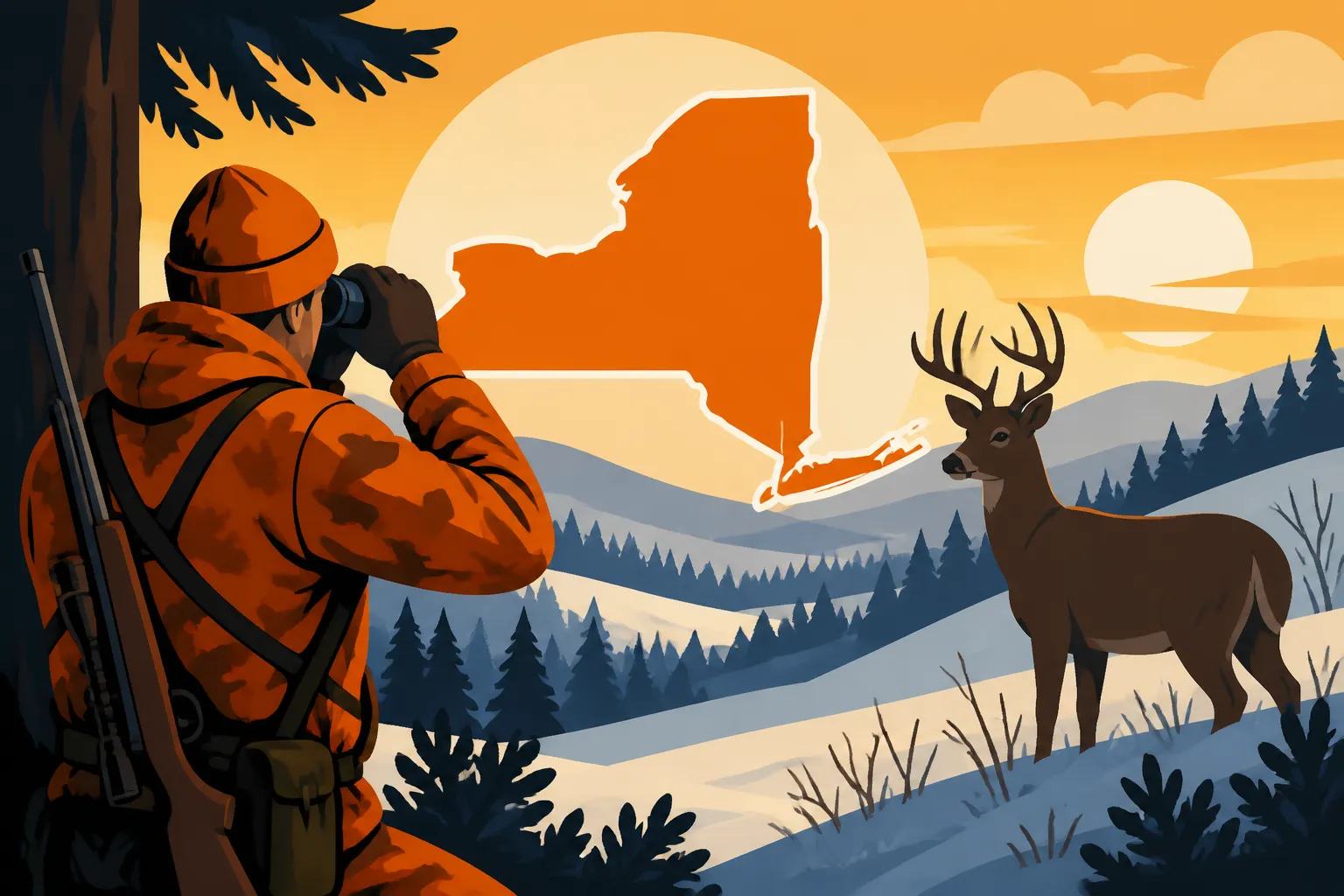
Oh, the New York Holiday Deer Season. For many hunters, myself included, it represents a golden, albeit often chilly, opportunity to extend the deer season and perhaps fill a tag when the main firearm crunch is over. It’s a time when the woods change, the deer patterns shift, and a different kind of challenge emerges. If you’ve ever felt the disappointment of the regular season closing without that elusive buck or doe, or just crave more time afield, then understanding this special late-season hunt is absolutely essential. This guide is here to walk you through everything you need to know to make the most of those precious December days.
Understanding the New York Holiday Deer Season
The New York Holiday Deer Season is a relatively new and exciting addition to the state's hunting calendar, offering hunters in specific Wildlife Management Units (WMUs) a chance to hunt deer after the regular Southern Zone firearm season concludes. It's designed to provide additional harvest opportunities, particularly for antlerless deer, to help manage local populations, while also giving passionate hunters more time in the woods during a unique period.
What is the Holiday Deer Season?
Imagine the main firearm season wrapping up, and just when you're about to hang up your hunting boots for the year, a special window opens up. That's essentially what the Holiday Deer Season is. It’s a unique extension of the archery and muzzleloader seasons in the Southern Zone, typically running from December 26th through January 1st. This isn't a free-for-all; it’s a carefully regulated hunt aimed at providing opportunity while maintaining sound wildlife management principles. It allows hunters to use either a bow (including crossbows) or a muzzleloader, making it distinct from the earlier firearm season. The idea is to tap into the deer population during a time when many other outdoor activities are winding down, and often, when snow cover can offer an advantage.
This season has become incredibly popular because it offers a quieter, often more solitary hunting experience compared to the hustle and bustle of the early November firearm opener. Many hunters cherish this time for its peacefulness, the beauty of a snow-covered landscape, and the distinct challenge it presents. It's a fantastic chance to fill any remaining antlerless tags, especially Deer Management Permits (DMPs), which are crucial for herd management. For details on how these DMPs work and how to acquire them, you might want to read our guide on New York Deer Management Permits Explained.
Eligibility and Participating WMUs
Not all of New York State participates in the Holiday Deer Season. This hunt is exclusively for the Southern Zone, and even then, only specific WMUs are included. The New York State Department of Environmental Conservation (DEC) carefully selects these WMUs based on local deer populations and management objectives. Typically, the WMUs involved are those with higher deer densities where additional harvest is beneficial for herd health and mitigating human-deer conflicts, such as agricultural damage or deer-vehicle collisions.
Before you even think about heading out, it is absolutely critical to check the most current DEC regulations to confirm which WMUs are open for the Holiday Hunt. These can change year to year based on deer population assessments. Generally, you’ll find that many of the WMUs across the Southern Tier, Catskills, and Finger Lakes regions are included. For instance, areas around Rochester, Syracuse, and parts of the Hudson Valley often participate. It’s also important to remember that during this season, you can harvest deer with a Bowhunting privilege, a Muzzleloading privilege, or a Deer Management Permit (DMP). Your regular big game license, along with the appropriate privileges, is required. Do not assume your favorite hunting spot is open; always verify the specific WMU boundaries and rules. Our article on New York Holiday Deer Hunt Rules offers more specific breakdowns.
Key Dates and Regulations
The Holiday Deer Season typically runs from December 26th to January 1st, a fixed window that allows hunters to get out right after the Christmas festivities. However, there are nuances to understand beyond just the dates. Legal hunting hours generally mirror the regular seasons, running from official sunrise to official sunset. For this late season, understanding those exact times is even more crucial, especially as daylight hours are at their shortest.
When it comes to weapons, only bows (including crossbows for those with the privilege) and muzzleloaders are permitted. Rifles and shotguns (other than muzzleloaders) are not allowed during this specific season. This limitation often means shots are generally closer, and a different set of hunting skills come into play. Additionally, blaze orange or blaze pink is required for all hunters during the Holiday Hunt, just as it is during the regular firearm season, for safety purposes. This is especially important as visibility can be reduced by dense cover or snowfall. The bag limits for this season depend on the tags you hold. You can fill your regular season deer tags (bow, muzzleloader, or big game) as well as any DMPs you've acquired. This makes it a prime opportunity for hunters with multiple DMPs, particularly those focused on antlerless harvest. Always consult the official New York State Hunting and Trapping Regulations Guide for the most up-to-date and precise information before you head afield.
Why Hunt the Holiday Season? The Unique Advantages
Hunting the Holiday Season isn't just about extending your time in the woods; it offers a distinctly different, often more rewarding, experience than the peak of the regular firearm season. The combination of potentially fewer hunters, different deer behavior, and the possibility of snow transforms the entire hunting dynamic.
Less Pressure, More Solitude
Let's be honest, the opening day of the New York Southern Zone firearm season can feel like a small army has descended upon the woods. Parking lots are full, hunters are everywhere, and deer are often on high alert from the sheer amount of human activity. The Holiday Hunt is a stark contrast. By late December, many hunters have either filled their tags, lost interest, or are simply too busy with holiday festivities or other winter pursuits. This often translates to significantly reduced hunting pressure on both public and private lands.
For those who value solitude and a quieter experience, this is a major draw. You’re less likely to have other hunters bumping deer your way, or worse, pushing deer off your property. This lower pressure allows deer to return to more natural movement patterns, especially around reliable food sources. It also means you might find that choice stand location unmolested, or have entire sections of state forest all to yourself. This tranquility can lead to more relaxed deer, and potentially, better hunting opportunities for the patient and persistent hunter. If you're tired of crowded woods, this season offers a breath of fresh air and a chance to truly connect with the wilderness.
Tracking Conditions in the Snow
Perhaps the biggest game-changer for the Holiday Hunt, and a primary reason many look forward to it, is the potential for snow. A fresh blanket of snow transforms the woods into a giant tracking board. Suddenly, deer movement, which can be so elusive on bare ground, becomes plainly visible. You can see exactly where a deer has traveled, how recently, and what it was doing. This is invaluable information.
Tracking a deer in fresh snow can be an incredibly effective and exciting tactic during the Holiday Season. Instead of sitting and waiting, you can actively pursue deer, following their tracks to their bedding areas or feeding zones. This requires a different set of skills—patience, keen observation, and the ability to interpret sign. A deep track in fresh snow, a faint drag mark from a belly, or even a rub on a tree becomes a page in a story you can follow. It also helps you identify travel corridors and areas of high deer activity that might have been invisible otherwise. Learning Tracking a Deer in Fresh New York Snow can significantly improve your success rate during this season. Snow also muffles sound, allowing for quieter movement through the woods, which can be a huge advantage when still-hunting or stalking.
Late-Season Food Sources and Movement
As winter truly sets in, deer behavior shifts dramatically, primarily driven by the need for sustenance and shelter. By late December, the abundant acorns and lush green browse of early fall are long gone, or buried under snow. Deer become highly concentrated around the most reliable and calorie-rich food sources they can find. This makes locating these crucial food sources paramount to late-season success.
Think standing cornfields (with permission, of course), regenerating clear-cuts with plenty of woody browse, or fields of brassicas if a farmer planted them. Unpicked apples, even frozen ones, can be a major draw. Deer will also concentrate in areas offering thermal cover—dense conifer stands or thickets that provide shelter from biting winds and snow. Their movement becomes much more predictable, often a direct line from bedding to food and back, conserving precious energy. Understanding these patterns is key. For example, deer might move into areas like those found when Hunting a Standing Cornfield in Farm Country. Locating these concentrated food and bedding areas, and setting up accordingly, can greatly increase your chances of encountering deer that are focused on survival rather than breeding. Our guide on Late-Season Food Sources for New York Whitetails delves deeper into what deer are looking for at this time of year.
Essential Gear and Preparation for Cold-Weather Hunting
Hunting in late December in New York means facing some of the harshest conditions of the year. Frigid temperatures, biting winds, and heavy snow are all distinct possibilities. Being unprepared isn't just uncomfortable; it can be dangerous. Proper gear and meticulous preparation are non-negotiable for a safe and successful Holiday Hunt.
Clothing and Layering Strategies
Staying warm and dry is the absolute priority when hunting in the cold. A single miserable, shivering sit can ruin your entire hunt and send you home early. The key to combating New York's late-season chill is a strategic layering system. Start with a good base layer that wicks moisture away from your skin, ideally merino wool or a high-quality synthetic. Cotton is a definite no-go as it holds moisture and loses its insulating properties. Over that, add an insulating mid-layer, such as a fleece or down jacket, to trap body heat.
Your outer layer should be windproof, waterproof, and durable. Many hunters opt for insulated hunting jackets and pants that can withstand bitter winds and wet snow. Don't forget extremities: a warm hat (you lose a significant amount of heat from your head), insulated gloves or mittens, and thick, wool socks are critical. I often carry hand warmers and foot warmers, especially for stand hunting, and even an insulated muff for my hands. The beauty of layering is that you can adjust your clothing as your activity level changes or as the temperature fluctuates throughout the day. If you're walking, you can shed a layer to avoid sweating, then add it back when you sit down. Our guide on Cold-Weather Sitting Strategy in New York has some excellent tips for staying comfortable in frigid temperatures.
Firearms and Ammunition Considerations
Since only muzzleloaders and bows (including crossbows) are permitted during the Holiday Season, your firearm choices are specific. If you’re using a muzzleloader, ensuring it functions flawlessly in cold, potentially wet conditions is paramount. Moisture is the enemy of black powder, so keeping your powder dry is critical. Many hunters use waterproof caps or wraps around the breach area, and some carry pre-measured charges in sealed containers. It's also wise to practice shooting your muzzleloader in cold weather to understand how temperature might affect its performance and your accuracy.
For ammunition, choose projectiles that perform well at the closer ranges often encountered in late-season woods hunting, and that offer reliable expansion on deer. For bows and crossbows, ensure your broadheads are razor-sharp and your setup is tuned perfectly. A well-placed shot is always important, but even more so in cold weather when blood trails can be harder to find, and deer may not bleed as profusely. It’s also crucial to consider the type of optics you're using. Fogging can be a real issue in fluctuating temperatures, so good quality, fog-proof binoculars and scope (for muzzleloaders) are a wise investment. Make sure to check the specific regulations on New York Crossbow and Bow Regulations before heading out.
Navigational Tools and Safety Essentials
Late-season hunting often means navigating challenging terrain, potentially deep snow, and shorter daylight hours. Reliable navigational tools are non-negotiable. A GPS unit or a reliable hunting app like GoHunt on your smartphone (with downloaded maps for offline use) is essential for knowing exactly where you are, tracking your path, and finding your way back to your vehicle, especially as daylight fades quickly. Always carry a compass and know how to use it as a backup.
Safety doesn't stop with navigation. A robust first-aid kit, a whistle, a headlamp with extra batteries, and a fire-starting kit should always be in your pack. Tell someone exactly where you are going and when you expect to return. Consider carrying a small, lightweight emergency shelter or space blanket. Hydration is still important, even in cold weather, so bring an insulated water bottle to prevent freezing. Given the requirement for blaze orange or pink, ensure your outer layers meet the visibility requirements. A reliable pack is also crucial for carrying all your essentials; for tips on what to look for, check out Packs for a Day on Public Land. These small preparations can make a monumental difference in an unexpected situation.
Advanced Tactics for Late-Season Whitetails
Hunting late-season whitetails demands a shift in strategy. The deer are wiser, the conditions are harsher, and their priorities have narrowed down to survival. Successful hunters adapt by focusing on key elements: thermal cover, concentrated food sources, and efficient movement.
Focusing on Thermal Cover and South-Facing Slopes
By late December, deer are constantly looking for ways to conserve energy and escape the biting wind and cold. This means they will heavily utilize areas offering thermal cover. Dense conifer stands, such as hemlock, spruce, or pine thickets, are magnets for deer. These evergreens block the wind and often hold snow on their branches, creating a warmer microclimate underneath. Steep, south-facing slopes are another prime location. The southern exposure catches more sunlight, warming the ground and melting snow, which can expose dormant browse or residual greens.
When scouting for thermal cover, look for areas with dense canopy closure that offer a protected haven. Deer will bed in these spots during the day and often travel directly from these sanctuaries to food sources. You might find several deer bedded together to share body heat. When hunting these areas, approach very slowly and quietly, as deer will be highly attuned to their surroundings. Consider how the wind and thermals will carry your scent into these bedding areas, especially on steep terrain. Our article on Reading a Ridge for Catskill Deer Movement can provide further insights into how deer utilize different terrain features.
Still-Hunting and Tracking in Snow
The presence of snow, as discussed, unlocks the powerful tactic of still-hunting and tracking. Still-hunting involves moving incredibly slowly through the woods, stopping frequently to scan, listen, and glass for deer or parts of deer. It's a method of hunting where you become part of the environment, not just a visitor. In snow, every track tells a story. Look for fresh tracks, especially those with a crisp outline and no snow melt in the bottom, indicating recent passage. A deer’s behavior can often be inferred from its tracks: walking, browsing, running, or dragging its feet.
If you find fresh tracks, commit to following them. This isn't a race; it's a careful, deliberate pursuit. Pay attention to the deer's direction, its pace, and any sudden changes in its behavior. When the tracks indicate a deer has slowed or paused, it might be about to bed down or is feeding. Slow down even further, and use your binoculars to pick apart the cover ahead. When tracking in snow, always be prepared for a shot at any moment. Keep your muzzleloader or bow ready. This active form of hunting is incredibly engaging and often yields results when passive stand hunting might fail. Remember to move into the wind or crosswind to keep your scent from spooking the deer you're tracking.
Stand Placement on Late-Season Food
While still-hunting is effective, stand hunting remains a viable and often preferred method, especially when you've identified reliable late-season food sources. The key is to adapt your stand placement to the current deer patterns. Instead of targeting rubs or scrapes from the rut, focus entirely on the routes deer take from their thermal bedding cover to their preferred food. This might be a standing cornfield, a winter wheat plot, or a patch of unpicked apples.
Look for pinch points, funnels, or narrow strips of cover that deer must traverse to reach these food sources. A hedgerow between two fields or a small wooded creek bottom leading to a crop field can be an excellent location. Set your stand up to take advantage of the prevailing wind patterns. Given the shorter daylight hours, focusing on morning and evening movements near food will be most productive. Deer will often arrive at food sources earlier in the evening and stay later into the morning to maximize their caloric intake. Be mindful of your entry and exit routes to avoid spooking deer as you approach or leave your stand. When Setting Up on a Southern Tier Field Edge, remember that deer will be less tolerant of perceived threats in open areas due to the lack of cover.
| Late-Season Deer Movement Patterns | Key Characteristics | Hunting Strategy |
|---|---|---|
| Thermal Cover to Food | Direct, energy-efficient travel; often in thick evergreens or south-facing slopes. | Still-hunt thickets, set stands on trails leading out of cover to food. |
| Concentrated Food Sources | Deer congregate heavily around high-calorie options like standing corn, brassicas. | Stand hunt field edges, pinch points leading to food; hunt morning/evening. |
| Shelter from Wind/Snow | Seek dense conifer stands, deep ravines, leeward sides of hills. | Scout for these areas; approach downwind, still-hunt very slowly. |
| Minimal Human Pressure | Deer may become less nocturnal, utilize areas closer to human activity if undisturbed. | Capitalize on reduced pressure; be patient, move cautiously, trust your scouting. |
Dealing with Challenging Conditions: Snow, Ice, and Bitter Cold
Hunting during the Holiday Season means you're almost guaranteed to encounter significant winter weather. Snow, ice, and bitter cold aren't just inconveniences; they demand specific strategies to stay safe, effective, and to ensure a successful hunt.
Staying Warm and Dry on Stand
This cannot be stressed enough: staying warm and dry is paramount. If you get cold and wet, your concentration drops, your patience wanes, and your ability to make an ethical shot diminishes. Beyond the layering strategy, consider specialized gear. A well-insulated ground pad or a warm seat cushion for your treestand can make a huge difference in preventing radiant heat loss to the cold metal or ground. Many hunters bring insulated "muff" hand warmers that can also hold chemical hand warmers for extra heat.
For long sits, a small, quiet, catalytic heater (used only in very well-ventilated ground blinds, never in a treestand or enclosed space) can provide a significant boost. Keep your head and neck covered; a balaclava or neck gaiter can prevent heat loss and protect exposed skin. If snow is falling, a waterproof outer layer is vital. Even if it's not actively snowing, sitting against a snow-covered tree can make you wet. Remember to pack a change of socks – nothing makes you colder faster than wet feet. Take short breaks if needed, or get up and move around to get the blood flowing.
Maintaining Equipment Functionality
Cold weather can be brutal on hunting gear. Batteries drain much faster in freezing temperatures, so always carry spares for your headlamp, GPS, and trail cameras. Store sensitive electronics, like your phone or extra batteries, in an inside pocket close to your body heat. Optics can fog up when moving from a warm car into cold air, or with your own breath. Use anti-fog treatments, keep lens caps on when not in use, and avoid breathing directly on your lenses.
For muzzleloaders, moisture is the enemy of ignition. Keep your powder dry and your primers sealed. Some hunters use small amounts of grease on primer caps to help seal them from moisture. If snow is actively falling, consider a muzzleloader cover or simply holding your gun in a position that sheds snow and water away from the action. Bowstrings can become brittle and less elastic in extreme cold, so be mindful of potential performance changes. Crossbows, with their complex mechanisms, can also be affected by ice and snow, so keep them clean and dry. A small, soft brush can be useful for clearing snow from your equipment without making noise.
Tracking and Recovery in Deep Snow
While snow can be a hunter's best friend for tracking, deep snow can turn a recovery into a monumental task. A deer that runs into deep snow after the shot might not bleed as much externally, making blood trailing difficult. The blood might be absorbed by the snow, or fall beneath the deep powder. In such conditions, focus more on tracks, disturbed snow, and broken branches. Look for any sign of a hit, however small.
If you suspect a hit, give the deer plenty of time, especially if it's not a clear pass-through. A cold deer will stiffen quickly, so immediate field dressing is often required to cool the meat properly. Dragging a deer through deep snow is incredibly exhausting. Consider bringing a deer sled or a specialized game cart if the terrain and snow conditions allow, particularly if you're on public land far from vehicle access. If you're hunting with a partner, taking turns dragging or using a sturdy rope can help immensely. Know your limits and don't be afraid to ask for help if needed. Our guide on Recovering a Deer From a Steep Ravine can provide some valuable tips for tough recovery situations.
Maximizing Your Chances: Post-Season Scouting and Data
The Holiday Deer Season benefits immensely from meticulous pre-season (or even post-main-season) scouting and a smart approach to data analysis. Don't just show up and expect deer to be everywhere; late-season success comes from understanding current conditions and deer patterns.
Analyzing Past Harvest Data and Movement Patterns
One of the most powerful, yet often overlooked, tools for late-season success is historical data. The New York DEC provides annual harvest reports broken down by WMU and often by county. While not granular enough to show specific movements, these reports can highlight WMUs with consistently high antlerless harvests, which indicates robust deer populations that might be good candidates for the Holiday Hunt. Furthermore, paying attention to statewide trends in deer populations and buck-to-doe ratios can give you a strategic advantage.
Beyond official data, keep your own records. Note where you saw deer during the regular season, especially as temperatures dropped. Did you notice deer using specific thickets or food sources as winter approached? This personal experience, combined with a review of historical aerial imagery, can start to paint a picture of likely late-season deer behavior in your chosen area. Apps like GoHunt offer incredible tools for cross-referencing public land boundaries with satellite imagery and historical data, making your scouting much more efficient. Understanding how severe winters hit Adirondack deer or how deer density varies by WMU can also inform your choices.
Utilizing Aerial Imagery and Topo Maps
Once you’ve identified potential WMUs or properties, modern mapping tools become your best friends. Aerial imagery (available through tools like Google Earth, GoHunt, or the DEC’s HuntFishNY app) is crucial for identifying key late-season habitat. Look for blocks of dense conifer cover, known wintering areas, or secluded thickets that offer thermal protection. Scan for standing crops, unharvested fields, or old orchards that might provide a late-season food source. Pay attention to how these features connect via natural funnels or subtle terrain changes.
Topographical maps reveal elevation changes, ravines, and ridge lines. Deer often travel along contours to conserve energy, especially in hilly terrain. They'll also use ravines and creek bottoms as protected travel corridors. Combine aerial photos with topo maps to pinpoint exact stand locations, identify potential bedding areas, and plan silent entry and exit routes. This virtual scouting allows you to eliminate unproductive areas and focus your ground scouting efforts on the most promising spots. For insights into reading terrain effectively, consider our article on Reading Aerial Photos for Southern Tier Deer.
Leveraging Tools like GoHunt for Insights
In today's hunting world, digital tools like GoHunt have revolutionized how we scout and plan. GoHunt, for example, offers detailed mapping layers that show public vs. private land, landowner information, historical burn areas (which can create new browse), and even past harvest data in some regions. These platforms allow you to overlay different map types, mark waypoints for potential stand sites or rubs, and measure distances. This is especially helpful for identifying less-pressured areas within larger public land blocks.
Using GoHunt, you can identify potential bottlenecks or funnels that deer are likely to use when moving between bedding and feeding areas. You can also research specific WMUs to see if they have a history of good late-season success. By digitally "walking" the property before you ever step foot on it, you can develop a solid game plan, locate crucial habitat, and anticipate deer movement. This type of detailed preparation, combining multiple layers of information, can be the deciding factor between an empty tag and a filled freezer during the challenging Holiday Season.
Ethical Considerations and Responsible Hunting
Participating in the New York Holiday Deer Season comes with significant responsibility. As hunters, we are stewards of the land and the wildlife, and our actions reflect on the entire hunting community. Upholding ethical standards is not just about following the law; it's about respecting the animals, the land, and our fellow citizens.
Respecting Landowners and Property Boundaries
Much of the Southern Zone in New York consists of a mosaic of private and public lands. If you are hunting on private land, ensure you have explicit, current permission from the landowner. A verbal "yes" from last year might not suffice this year; always re-verify. Carry your permission slip with you. Even if hunting public land, be aware of adjacent private property lines. Respecting these boundaries is non-negotiable. Trespassing, even unintentionally, can lead to severe penalties and contributes to a negative image of hunters.
The Holiday Season often finds deer concentrated on specific properties due to late-season food or cover. This means there's a higher chance of deer moving between properties, or even onto unhuntable lands like suburban developments. If you harvest a deer near a property line, be absolutely certain of where it falls. If it crosses onto private land where you don't have permission, you must seek permission before retrieving it. Our guide on New York Trespass and Permission Law explains the legalities in detail. Building good relationships with landowners is crucial for maintaining hunting access in New York.
Ensuring a Clean Kill in Cold Weather
Cold weather adds an extra layer of difficulty to ensuring a quick, ethical kill and a successful recovery. Deer that are hit poorly may leave a minimal blood trail in snow, or the wound may clot faster in freezing temperatures, making tracking even harder. Therefore, shot placement becomes even more critical. Only take shots you are absolutely confident in, and always aim for the vital organs (heart/lungs). Avoid marginal shots, especially at longer distances or through thick cover, where a deflection is possible.
Before the season, practice with your muzzleloader or bow in cold weather to understand how your gear and your body react. Ensure your broadheads are razor-sharp. After the shot, observe the deer's reaction carefully. If there's any doubt about the shot, give the deer ample time before tracking – several hours, or even overnight if conditions allow and you can safely return in the morning. This is especially true if you suspect a gut shot. A cold, wounded deer can be incredibly resilient, and rushing the track can push it further, making recovery impossible.
Carcass Handling and Reporting Requirements
Once you've successfully harvested a deer during the Holiday Season, proper carcass handling is essential, even in cold weather. While the cold helps preserve the meat, you still need to field dress the animal promptly to allow it to cool down properly and prevent spoilage. This is particularly true if you are processing the meat yourself. Be mindful of potential contamination from snow or dirt during the process.
After field dressing, the next step is to legally report your harvest. New York State requires all deer harvests to be reported within seven days of taking the animal, and this includes deer taken during the Holiday Season. This can typically be done online through the DEC's HuntFishNY app or website, or by phone. Reporting your harvest is not just a formality; it provides crucial data to the DEC, helping them manage deer populations effectively and make informed decisions about future hunting seasons and regulations. You can find more specific details in our guide on New York Deer Reporting Requirements. It's a vital part of responsible hunting and ensures the future of our sport.
Frequently Asked Questions About the Holiday Hunt
Even for seasoned hunters, the Holiday Deer Season can present unique questions and scenarios. Here, we address some common misconceptions and offer quick tips for those new to this exciting late-season opportunity.
Common Misconceptions
One of the most persistent misconceptions about the Holiday Deer Season is that deer are easy targets because they're concentrated and "starving." While deer do focus on food, they are also at their wariest. They’ve survived months of hunting pressure and are incredibly tuned in to their surroundings. They are not simply waiting to be harvested. Another common thought is that any weapon is allowed if you have a big game license. This is incorrect; only bows (including crossbows) and muzzleloaders are legal during this specific season.
Some hunters also mistakenly believe the Holiday Hunt is open statewide. Remember, it's strictly limited to specific WMUs within the Southern Zone, which vary slightly year to year. Always confirm the exact boundaries before planning your hunt. Finally, there's a misconception that you don't need to wear blaze orange or pink because it's an archery/muzzleloader season. However, New York State regulations do require these safety colors during the Holiday Hunt, just as during the regular firearm season, highlighting the importance of visibility and safety in the winter woods.
Tips for First-Time Holiday Hunters
If you're considering your first Holiday Hunt, here are a few actionable tips to set you up for success:
- Do Your Homework: Start by researching the specific WMUs you plan to hunt. Check the DEC regulations for exact dates, open WMUs, and any special rules. Use mapping tools like GoHunt to scout potential areas for thermal cover and food sources.
- Invest in Quality Layers: Don't skimp on cold-weather gear. Your comfort and safety depend on it. Prioritize good base layers, insulated outerwear, and excellent hand and foot protection. It's better to be slightly overdressed and shed a layer than to freeze.
- Prioritize Food and Cover: Forget the rut sign from November. Deer are now focused on survival. Identify the densest thermal cover and the most reliable food sources, and concentrate your efforts there.
- Embrace the Snow (If Present): If there’s snow, learn to track! It’s an invaluable skill that can turn a slow sit into an exciting pursuit. Move slowly, scan constantly, and interpret the signs you find.
- Be Patient, Be Persistent: Late-season hunting can be tough. Deer movement might be limited, and the cold can test your resolve. Stay positive, stick to your plan, and be patient. Often, the deer will move during the coldest parts of the day or just before a weather front moves in.
- Safety First, Always: Tell someone your plans, carry a well-stocked first-aid kit, and always wear your blaze orange or pink. The beauty of a New York winter forest can quickly turn treacherous if you’re not prepared for emergencies.
Disclaimer
The information provided in this guide is for general informational purposes only and is not intended to be legal advice. Hunting regulations, seasons, and licensing requirements can change frequently. Always consult the most current New York State Department of Environmental Conservation (DEC) hunting and trapping regulations guide or contact the DEC directly before planning any hunting activity. Strict adherence to all applicable laws and regulations is the responsibility of each individual hunter.