Grouse Hunting New York Aspen Cover
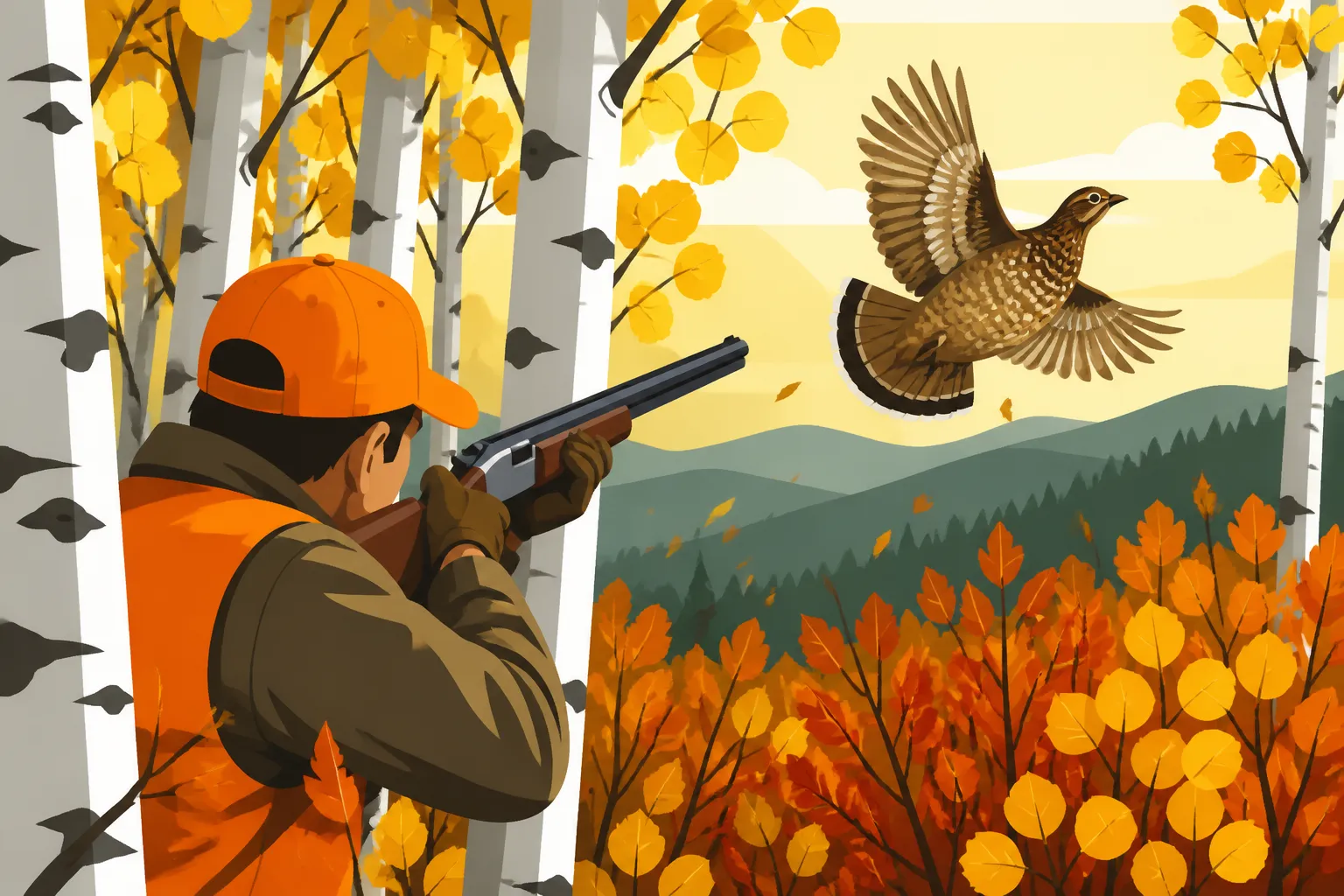
There’s nothing quite like the explosive flush of a ruffed grouse in a New York aspen stand, but if you’ve spent time tramping through thick cover only to hear a bird rocket out just out of sight, you know the frustration. Hunting these elusive woodland rockets in the dense, tangled cover of New York’s aspen forests demands specific knowledge, the right gear, and a whole lot of patience. This guide is all about helping you understand the habitat, fine-tune your tactics, and ultimately, put more New York grouse in your game vest.
Understanding Ruffed Grouse Habitat in New York
Ruffed grouse are creatures of specific habitat, and in New York, their preferred homes often revolve around aspen. It’s not just any patch of woods; it’s a dynamic, ever-changing environment that provides everything these birds need to thrive – or at least, survive the hunting season. Understanding this connection is the first step to becoming a more successful grouse hunter.
Why Aspen Stands are Gold for Grouse
Aspen, particularly young and regenerating aspen stands, are absolute gold for ruffed grouse. These trees grow quickly, often in dense thickets after a timber harvest or disturbance, creating an incredibly thick understory. This dense growth provides essential cover from predators, both avian and terrestrial, making it difficult for hawks and coyotes to spot a crouched bird. More importantly, aspen buds, especially male flower buds in the colder months, are a crucial food source for grouse, particularly in fall and winter when other forage is scarce. The high nutritional value of these buds helps grouse survive the harsh New York winters. Beyond food and cover, the structure of young aspen forests offers ideal drumming logs for male grouse during breeding season, ensuring the perpetuation of the species. It’s a complete package that makes aspen so attractive.
Identifying Ideal Aspen Age and Density
Not all aspen is created equal when it comes to prime grouse habitat. You’re typically looking for younger stands, often between 5 and 25 years old. In these stages, the trees are still relatively small in diameter, and their growth is tightly packed, creating that dense, nearly impenetrable cover at eye level that grouse adore. As aspen matures past this stage, the canopy closes, shading out the understory, and the dense cover that grouse rely on begins to thin out, making the birds more vulnerable. When scouting, look for clearcuts or timber sales that happened a decade or two ago, or areas with a high density of smaller-diameter aspen stems, sometimes mixed with birch or cherry. The key is "density" – if you can easily walk through it without constantly pushing branches aside, it might be too open for prime grouse real estate.
The Importance of Mixed Coverts
While aspen is a primary draw, truly exceptional grouse coverts often feature a mix of different habitat types. A pure, vast stand of young aspen is good, but grouse often prefer edges and transitions. Imagine an aspen stand bordering an older hardwood forest, a conifer plantation, or even a swampy alder bottom. These "mixed coverts" offer diversity in food sources, different types of escape cover, and varying thermal protection throughout the year. For instance, conifers might provide critical thermal cover during heavy snowfalls, while berry-producing shrubs along a transitional edge offer different food options. When scouting with tools like the GoHunt app, look for these mosaic patterns on aerial maps—places where different shades of green or brown meet, indicating changes in vegetation that often hold birds. This diversity allows grouse to shift their habits based on weather, time of year, and predator pressure, making them harder to pinpoint but more likely to be present. This is a concept often explored when discussing Ruffed Grouse and Woodcock in New York, as both species benefit from diverse, regenerating forests.
Prime New York Regions for Aspen Cover
New York is a big state, and while grouse can be found in many areas, certain regions consistently offer better opportunities due to historical logging practices, current timber management, and natural forest succession. Knowing where to focus your efforts can save you countless hours of unproductive walking.
Adirondack Foothills and Northern Plateau
The vast expanses of the Adirondack foothills and the northern plateau regions are classic New York grouse country. Here, you'll find significant tracts of state forest and even parts of the Adirondack Forest Preserve where active timber management and natural disturbances have created abundant aspen, birch, and mixed hardwood regeneration. Areas that were logged decades ago now hold those perfect 15-25 year old aspen thickets. Think of counties like St. Lawrence, Franklin, Clinton, and northern Herkimer, especially where the rolling hills meet the more rugged Adirondack interior. The deep snow in these regions can make late-season hunting challenging, but it also concentrates birds in certain areas, particularly along south-facing slopes or in dense conifers. However, it's also worth noting that New York grouse numbers today are facing challenges, making scouting even more critical.
Western New York and Tug Hill Plateau
Moving west, the Tug Hill Plateau and parts of Western New York also offer excellent potential for grouse hunters. The Tug Hill, known for its heavy lake-effect snows, has a unique mix of hardwoods, conifers, and regenerating clearcuts that provide ideal habitat. Look at Lewis and Oswego counties. In Western New York, particularly in counties like Allegany, Cattaraugus, and Chautauqua, you’ll find state forests and private timberlands where good forestry practices maintain a healthy mosaic of young and mature forests. These areas often have smaller, more fragmented woodlots interspersed with agricultural fields, creating numerous edges that grouse favor. Here, finding large blocks of contiguous public land with active timber management is key, as these are the places where aspen regeneration will be most prevalent.
Finding Public Land Aspen Cuts
The biggest hurdle for many hunters is simply finding these specific aspen cuts, especially on public land. The New York State Department of Environmental Conservation (DEC) manages millions of acres of state forests and Wildlife Management Areas (WMAs). These lands are often subject to timber sales designed to improve wildlife habitat, including creating those vital early successional forests that grouse need. Your best friend here is the DEC's online mapping tools and recent timber harvest schedules. Many state forests will have maps showing recent or planned logging operations. Additionally, using detailed mapping apps like onX Hunt or GoHunt allows you to zoom in on satellite imagery to identify clearcuts, young regenerating areas, and the telltale light green hue of aspen stands. Don't be afraid to call the regional DEC forestry office – they often have a wealth of information about recent and upcoming timber sales that could create prime grouse habitat in a few years. Remember, grouse aren't everywhere, but they are absolutely somewhere, and scouting is the key. You can also gain valuable insight by understanding Aspen Management and New York Grouse initiatives and where they are being implemented.
Essential Gear for New York Grouse Hunting
Grouse hunting in New York, especially in aspen cover, isn't about long-range precision or heavy-duty hauling. It's about quick reactions, comfortable movement through dense brush, and having the right tools for the job. Your gear should be an extension of your hunting style, not a hindrance.
Shotgun Choices for Quick Shots
When it comes to grouse hunting, quickness and maneuverability are paramount. The birds explode from cover, giving you only a fleeting window to swing and shoot. Therefore, a lightweight, fast-handling shotgun is ideal. Many seasoned grouse hunters favor smaller gauges like a 20-gauge or even a 28-gauge, which are lighter and less punishing to carry all day. A 12-gauge can certainly do the job, but often feels a bit bulky in the thick stuff.
The barrel length is another critical consideration; shorter barrels (24-26 inches) are easier to maneuver through dense aspen saplings and brush. A break-action over/under or side-by-side shotgun is often preferred for its balance and quick second shot capability, but a semi-auto or pump can also be effective. The key is to find a gun that feels natural in your hands, swings smoothly, and comes to your shoulder quickly. For more details, check out Best Shotgun Gauge for New York Grouse.
As for choke, an open choke like Cylinder or Improved Cylinder is almost universally recommended. You’re typically shooting at close range (10-25 yards), and a tighter choke will result in too dense a pattern, potentially tearing up the bird or making it harder to hit.
| Shotgun Gauge | Recommended Choke | Barrel Length | Pros | Cons |
|---|---|---|---|---|
| 12 Gauge | Improved Cylinder | 26-28 inches | More payload, versatile for other birds | Heavier, can be slow to swing in thick cover |
| 20 Gauge | Improved Cylinder | 24-26 inches | Lighter, faster swinging, less recoil | Less shot per shell than 12ga |
| 28 Gauge | Cylinder/Skeet | 24-26 inches | Very light, extremely fast, pleasant to shoot | Less common ammo, smaller pattern |
For shot size, you’ll want something that patterns well at close range without blowing the bird apart. Most grouse hunters opt for #7.5 or #8 lead shot. These smaller pellets create a dense pattern, increasing your chances of connecting with the fast-flying target, and they carry enough energy to cleanly dispatch a grouse at typical hunting distances. When considering Shot Size for Grouse and Woodcock, these smaller sizes are generally favored.
Protective Clothing and Footwear
New York grouse hunting means busting brush, pushing through thorny thickets, and navigating uneven terrain. Your clothing needs to be tough, protective, and comfortable. Briar-resistant pants or chaps are a non-negotiable item. Without them, your legs will be shredded by multiflora rose, hawthorn, and other nasty thorns common in grouse coverts. Look for durable canvas, synthetic blends, or specialized briar-proof materials.
Layering is also important, as you’ll be exerting a lot of energy walking, but then potentially standing still for short periods. A moisture-wicking base layer, a warm but breathable mid-layer, and a tough, water-resistant outer jacket are ideal. Don't forget a blaze orange vest or hat – safety is paramount, especially when hunting with partners in dense cover where visibility is limited. New York requires specific amounts of blaze orange or pink for safety during certain seasons.
For footwear, sturdy, waterproof boots with good ankle support are essential. You'll be walking miles, often on slippery leaves, wet ground, and over fallen logs. A comfortable, broken-in pair of leather or synthetic hunting boots will serve you well. Some hunters prefer rubber boots for wet conditions, but ensuring they offer adequate support for all-day walking is key. Consider Boots for Walking New York Aspen Cuts as a critical piece of gear.
The Role of a Good Bird Dog
While it's absolutely possible to harvest grouse without a dog – a method often referred to as Flushing Grouse Without a Dog – having a well-trained bird dog significantly enhances the experience and your success rate. Dogs, particularly pointing breeds (like Brittanys, English Setters, or German Shorthaired Pointers) or flushing breeds (like English Springer Spaniels or Labs), can cover far more ground, locate birds you would walk past, and often pinpoint exactly where a bird is holding.
A pointing dog will "lock up" on a grouse, allowing you to walk in, prepare for the flush, and get a clean shot. This is a huge advantage in dense cover where visual contact is rare until the bird is airborne. Flushing dogs, on the other hand, will actively work the cover, pushing birds out, but require the hunter to be constantly ready for an unexpected flush. Either way, a dog adds another layer of excitement and efficiency to the hunt. A good dog will also retrieve downed birds, preventing lost game in thick tangles. Remember, training and conditioning your dog are crucial, as grouse cover can be tough on paws and can lead to exhaustion for an unprepared dog.
Effective Hunting Tactics in Aspen
Hunting ruffed grouse in New York's aspen cover is a dynamic dance between hunter and bird. It's less about sitting and waiting and more about active pursuit, understanding bird behavior, and being ready to react in an instant. The more you understand how grouse use their environment, the better you’ll become at putting yourself in position for a shot.
Walking Patterns and Flushing Strategies
The way you walk through an aspen stand can dramatically impact your success. Don't just wander aimlessly. Instead, think strategically about how to maximize your chances of flushing a bird within shooting range.
- Zig-zag patterns: Instead of a straight line, walk in a zig-zag or S-pattern. This varies your approach angle to different parts of the cover, often surprising birds that might be accustomed to linear disturbances. It also allows you to cover more ground effectively.
- Pause and listen: Grouse are masters of holding tight. Often, pausing for 10-20 seconds in dense cover will make a nervous bird flush, thinking the threat has passed. These strategic pauses, especially in areas of good cover, can be incredibly effective. Listen carefully for the rustle of leaves or wing beats.
- Hunt the edges: Grouse love edges – where young aspen meets older timber, where cover meets an old logging road, or along a stream bottom. These transition zones often concentrate birds as they move between feeding, roosting, and watering areas.
- Utilize terrain: If you're hunting with a partner, have one person walk the top of a small ridge and the other walk the bottom, effectively pinching birds between you. Or, push through cover towards a more open area, forcing birds to flush into a spot where you might have a clearer shot.
- Team hunting: If you have multiple hunters, spread out a reasonable distance (20-30 yards) and walk parallel, maintaining communication. This creates a wider front, making it harder for birds to slip through unnoticed. Just remember safety and always know where your partners are.
Reading Grouse Sign and Behavior
Like any savvy hunter, learning to read the subtle signs of grouse presence can significantly increase your odds. Grouse don't leave massive tracks, but they do leave clues.
- Droppings: Look for cylindrical droppings, often near drumming logs, roosting sites, or under favorite food trees. Fresh droppings indicate recent activity.
- Feathers: Finding grouse feathers, especially flight feathers, can point to a recent flush or a predation event.
- Budded trees: In late fall and winter, examine aspen, birch, or cherry trees for signs of feeding – tiny nips on the buds. This confirms they're actively foraging in the area.
- Drumming logs: In spring, male grouse will "drum" on fallen logs to attract mates. While you won't hear drumming during hunting season, finding these logs indicates historical use and good habitat. A prime drumming log is usually moss-covered, thick, and in a spot with good visibility (for the grouse, not for you) surrounded by dense cover.
- Flushing patterns: Pay attention to how a grouse flushes. If it flushes wild and far ahead, it might indicate high pressure or open cover. If it holds tight, it might be less pressured or in extremely dense cover. Learn from each flush, successful or not, to refine your approach.
Shot Placement in Thick Cover
This is where the real challenge of grouse hunting lies. A grouse typically flushes with incredible speed and often through a maze of branches and trunks.
- Anticipate the flush: Always be ready. Gun safety is paramount, but your shotgun should be carried in a ready position, allowing for a quick mount.
- Wait for the opening: Don't snap shoot into a solid wall of brush. Often, a grouse will fly a short distance, then duck or weave, offering a momentary gap in the cover. It’s in that micro-second opening that you need to get your shot off. It feels counterintuitive to wait when the bird is flying away, but a clean shot through an opening is better than peppering branches.
- Focus on the lead: You're shooting a moving target. In thick cover, the lead can be tricky. Generally, aim slightly ahead of the bird, especially if it's moving across your field of view. The actual lead required is minimal due to the close range, but it's essential to swing through the bird.
- Reload quickly: Grouse often flush in singles, but occasionally you might get a double. Being able to reload quickly, especially with a break-action, can give you a second chance.
- Mark the spot: When a bird flushes, whether you shoot or not, try to mark its flight path and where it landed. If you drop a bird, immediately mark the exact spot and walk straight to it. Lost birds are a common frustration in dense cover, even when hunting with a dog. When dealing with thick cover, it's also helpful to think about Barrel Length for Walking Thick Cover to ensure smooth movement.
Timing Your New York Grouse Hunts
The New York grouse season offers a long window, but conditions change drastically from opening day to late winter. Understanding these shifts and adapting your strategy accordingly is crucial for consistent success. The New York Grouse Season Dates typically open in the fall and run into late winter.
Early Season Opportunities
The early part of the season, typically October, offers some unique opportunities and challenges. The foliage is still thick, making visibility difficult, but young birds are less wary, and food sources like berries and insects are abundant.
- Thick Cover: The leaves are still on the trees, making grouse almost invisible until they're directly underfoot. This means you'll hear more birds than you see, and shots will be extremely quick and close-range. Focus on areas with the densest cover – grouse will rely on it heavily for concealment.
- Food Sources: Early season grouse are often found near berry bushes (dogwood, hawthorn, wild grape) and lush green undergrowth where insects might still be present. Aspen stands with a good understory of these other plants can be hotspots.
- Young Birds: Many of the birds you encounter will be young-of-the-year, less experienced and sometimes holding tighter or flushing in more predictable patterns.
- Water Sources: In drier early fall, grouse might concentrate near seeps, small streams, or wet areas within their coverts.
- Comfortable Hunting: The weather is generally pleasant, making for enjoyable walks, but be prepared for occasional warm days that can tire out both hunters and dogs.
Mid-Season Challenges and Rewards
As November progresses, the character of grouse hunting in New York shifts dramatically. The leaves drop, snow might begin to fall, and the birds become more attuned to hunter pressure.
- Falling Leaves: The leaf drop is a double-edged sword. Visibility improves dramatically, allowing for slightly longer shots and better observation of bird movement. However, the grouse are also more exposed and tend to flush wilder or run more.
- Food Shift: With the disappearance of berries and insects, grouse transition almost entirely to a diet of buds and catkins, especially aspen buds. Focus your efforts directly on aspen stands, particularly those with male aspen trees, which hold buds longer.
- Concentration: As conditions get colder, grouse often concentrate in areas with better thermal cover, such as dense conifer stands mixed within aspen coverts. They'll use these evergreens for roosting and protection from wind and snow, venturing into aspen to feed.
- Weather Patterns: A light dusting of snow can actually be beneficial, as it can highlight grouse tracks and make it easier to spot birds on the ground. However, heavy snow can make walking difficult and push birds deeper into thickets.
- Hunter Pressure: Mid-season often coincides with deer hunting seasons in many areas, meaning increased human activity in the woods. Grouse in heavily hunted areas become warier. Finding ground that sees fewer hunters is a skill unto itself, as explored in Finding Ground Others Walk Past.
Late Season Tactics
December and January, if the season allows (check New York Grouse Season Dates), offer some of the most challenging but also potentially rewarding grouse hunting. Deep snow, bitter cold, and savvy birds demand persistence and specialized tactics.
- Deep Snow: Snow can be very deep in the Adirondack foothills or Tug Hill, making walking arduous. Snowshoes or cross-country skis might be necessary. This deep snow also limits bird movement and concentrates them in specific areas.
- Thermal Cover Priority: Grouse will prioritize thermal cover above all else. Hunt thick conifer stands (spruce, hemlock, balsam fir) that are adjacent to or interspersed with aspen. These evergreens provide critical protection from cold winds and snow.
- Snow Roosts: After a fresh snowfall, grouse often dive into the snow to create "snow roosts" for warmth and concealment. They can be incredibly hard to flush from these. Look for small holes in the snow under thick cover that might indicate a roosting bird.
- Sunlight and Food: On sunny, cold days, grouse might emerge from their thermal cover to feed on aspen buds, especially on south-facing slopes that get more sun.
- Hard-Holding Birds: Late-season grouse are often older, wiser birds that will hold incredibly tight, sometimes only flushing when you're almost stepping on them. This makes a dog even more invaluable. Patience and a slow, methodical approach are key.
- Track Reading: Fresh snow provides an excellent opportunity to read tracks. Following grouse tracks in the snow can lead you directly to a bird. You can often tell if a bird has been walking or running, indicating whether it's feeding or escaping.
Conservation and Future of New York Grouse
While the thrill of the flush is undeniable, it's impossible to discuss grouse hunting without addressing the broader picture of conservation. New York's ruffed grouse populations have seen significant declines over the past few decades, a trend that concerns hunters and conservationists alike. Understanding the factors at play and what's being done is crucial for the future of this iconic game bird.
Habitat Management and Public Land Initiatives
The primary driver of ruffed grouse decline in New York is habitat loss, specifically the loss of early successional forest. As forests mature, the dense, young growth that grouse rely on diminishes.
- Targeted Timber Harvesting: The DEC, often in partnership with organizations like the Ruffed Grouse Society, actively manages state forests and WMAs through timber harvesting. These planned cuts, especially clearcuts and patch cuts, are designed to create that vital young forest habitat. These aren't just random acts of logging; they are scientifically guided efforts to provide diverse age classes of timber, creating ideal grouse and woodcock coverts. Hunters should actively seek out these areas.
- Partnerships and Funding: Funds from hunting license sales and federal programs like the Pittman-Robertson Act directly support these habitat management efforts. Organizations like the Ruffed Grouse Society work to educate landowners and advocate for sound forest management practices on both public and private lands.
- Long-Term Vision: Effective grouse habitat management is a long-term endeavor. It takes years for a clearcut to grow into prime grouse cover, and then that cover eventually matures and becomes less suitable. Therefore, continuous, rotating timber management is essential to ensure a sustained supply of early successional habitat across the landscape. More on this can be found in discussions around Aspen Management and New York Grouse.
Understanding Population Trends
New York's ruffed grouse population has faced a downward trend for several decades. This isn't unique to New York; it's a phenomenon observed across much of the species' eastern range.
- Habitat Loss: As mentioned, the aging of forests is a major factor. The loss of small farms and the reforestation of agricultural lands have led to an overall older forest landscape.
- West Nile Virus (WNV): Emerging research points to West Nile Virus as a significant contributing factor to grouse declines. While not always fatal, WNV can impact grouse health and reproductive success. Some studies indicate that grouse have low immunity to the virus.
- Predator Dynamics: Changes in predator populations (coyotes, raptors, fisher) can also play a role, especially when grouse habitat is fragmented, making birds more vulnerable.
- Climate Change: Subtle shifts in weather patterns can affect insect populations (a crucial food source for chicks) and plant growth cycles, potentially impacting grouse reproduction and survival.
- Monitoring Efforts: The DEC, through programs like drumming surveys and hunter surveys, monitors grouse populations to better understand trends and inform management decisions. Hunters are encouraged to participate in these surveys to provide valuable data. You can find more details on New York Grouse Drumming Surveys on the DEC website.
Hunter's Role in Grouse Conservation
As grouse hunters, we have a direct and profound role to play in the conservation of this species. Our actions, advocacy, and financial contributions are vital.
- Support Habitat Initiatives: Join and support organizations like the Ruffed Grouse Society, whose core mission is to create and maintain early successional forest habitat. Your membership fees and donations directly fund critical projects.
- Report Harvests and Observations: Accurately reporting your grouse harvests, if required, and sharing observations with the DEC helps biologists track populations and understand local trends. Participation in programs like the GoHunt harvest surveys can provide invaluable data.
- Ethical Hunting Practices: Practice ethical hunting, including clean kills, quick retrieval of downed birds (especially when Hunting Grouse and Woodcock Together), and adherence to bag limits (check New York Grouse Daily Bag Limit). This ensures responsible use of the resource.
- Advocate for Forest Management: Educate yourself and others about the importance of active forest management for wildlife. Speak to your local elected officials, foresters, and landowners about creating and maintaining young forest habitat.
- Be a Steward: Practice Leave No Trace principles. Pick up litter, respect private property, and be a visible, positive example of a responsible hunter. The future of grouse hunting in New York depends on strong habitat and a strong ethical hunting community dedicated to its preservation.
Disclaimer
Please note: Hunting regulations, seasons, and licensing requirements in New York State can change. Always consult the official New York State Department of Environmental Conservation (DEC) hunting regulations guide or website before planning any hunting activity. This content is for informational purposes only and does not supersede state law or official DEC guidelines.