Pheasant Hunting Western New York Farmland
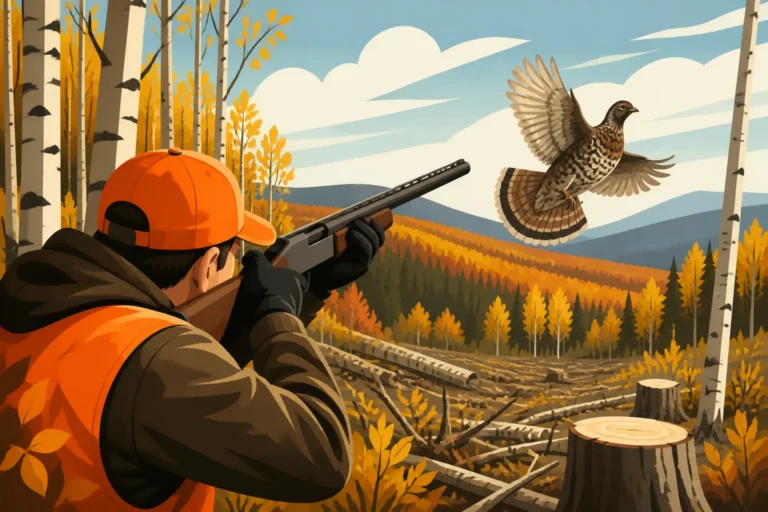
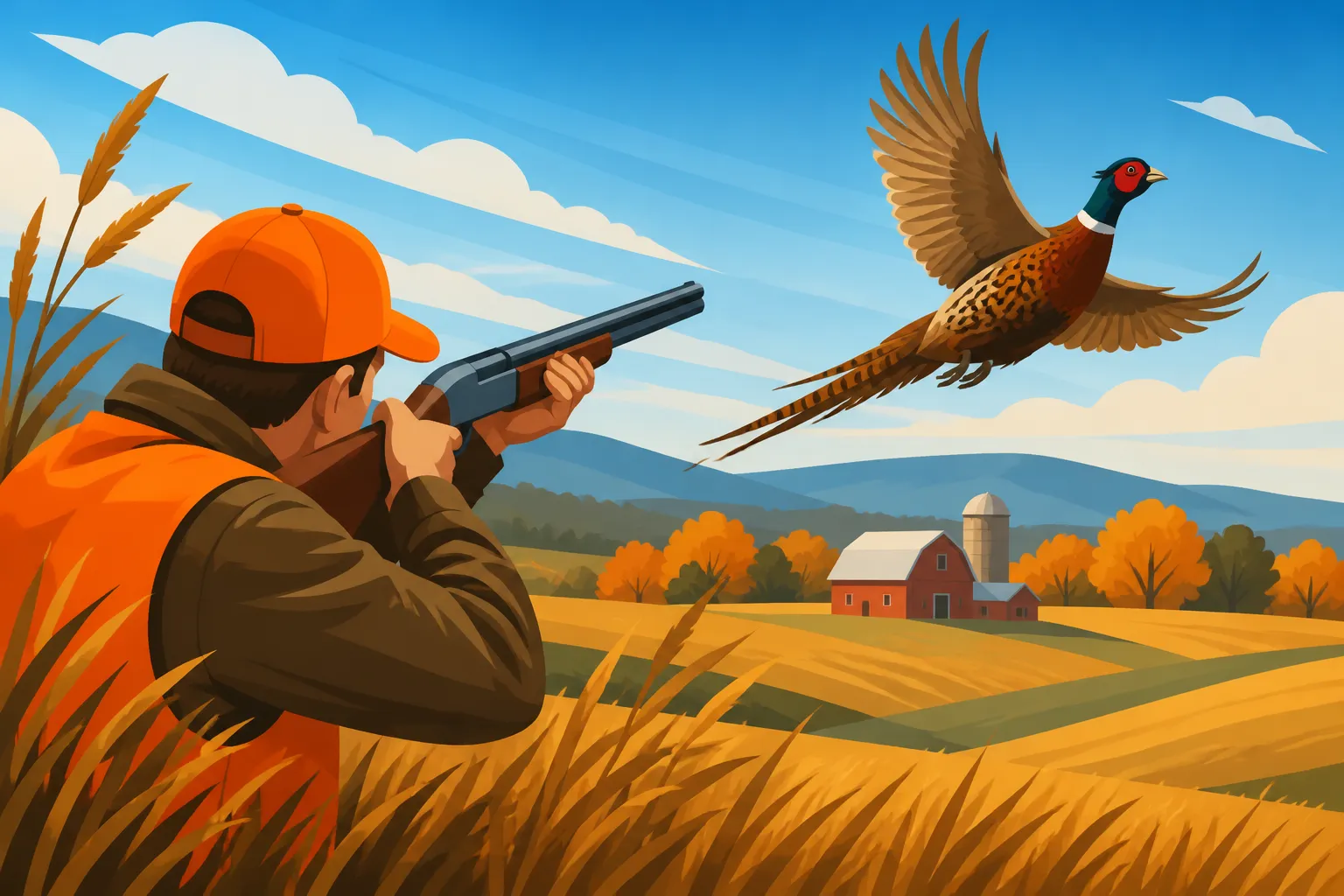
Few things are as exhilarating as a pheasant exploding from a brushy field edge, its cackle slicing through the crisp autumn air. Yet, for many hunters in New York, finding these beautiful, elusive birds can feel like chasing a ghost, especially with declining wild populations. This guide will walk you through the realities and strategies of pheasant hunting in Western New York's farmlands, helping you uncover opportunities and approach these hunts with realistic expectations and proven tactics.
Understanding New York's Pheasant Landscape
Pheasant hunting in New York, particularly in the agricultural heartland of the western counties, presents a unique set of challenges and rewards. Unlike some other upland species, wild pheasants have struggled to maintain a foothold in many areas, making human intervention a critical component of the hunting experience.
The Role of Stocking in Western New York Pheasant Hunting
Let's be real: for many years now, wild pheasant populations across much of New York have been a shadow of their former glory. Habitat loss, changing agricultural practices, and increased predation have all played a part. So, if you're picturing vast fields teeming with wild birds, you might need to adjust that expectation, especially in Western New York where land use is diverse. This is precisely why the New York State Department of Environmental Conservation (DEC) runs its pheasant propagation and stocking program, a lifeline for those of us who still love to chase these gaudy long-tails.
The DEC's program raises thousands of pheasants each year at its Reynolds Game Farm, releasing them into suitable public and private lands designated as Public Pheasant Hunting Areas. Without this extensive effort, pheasant hunting opportunities in many parts of Western New York would be incredibly limited, if not nonexistent. These stocked birds provide a fantastic opportunity, but it's important to remember they're not always as "wild" as their naturally-reproducing cousins. They often behave differently, sometimes holding tighter, sometimes flushing sooner, and sometimes being a bit more predictable initially after release. Understanding that you'll primarily be pursuing stocked birds will shape your tactics and expectations. For more details on this effort, check out the information on New York's Pheasant Stocking Program.
Identifying Prime Farmland Habitat for Pheasants
Even with stocked birds, you can't just release pheasants anywhere and expect them to thrive or provide good hunting. They still need specific types of habitat to offer a quality hunt and, ideally, a chance to survive and potentially establish small, localized populations. In Western New York's farmlands, prime pheasant habitat often revolves around the fringes of agricultural fields. Think about areas where crops meet cover.
Ideal pheasant cover includes tall grasses, brushy fencerows, small woodlots adjacent to fields, unharvested standing corn or bean fields, and dense riparian corridors along creeks and ditches. These areas provide food, escape cover from predators like coyotes and raptors, and thermal protection from harsh weather. Look for transition zones – where a cut cornfield meets a dense hedgerow, or where a CRP (Conservation Reserve Program) field of switchgrass borders a woodline. These edges are natural travel routes and hiding spots for pheasants. They want to be close to food sources but also have quick access to heavy cover if danger arises. Paying attention to these subtle changes in vegetation and topography can significantly increase your chances of finding birds, even if they've been recently stocked and are still figuring out their new surroundings.
Navigating Public and Private Land Access
Hunting pheasants in Western New York involves a blend of public land opportunities and the often-rewarding, but sometimes challenging, pursuit of private land access. Knowing how to find and secure a place to hunt is half the battle.
Locating Stocked Pheasant Release Sites on Public Land
The New York DEC does a commendable job of stocking pheasants on various public lands, primarily Wildlife Management Areas (WMAs) and some State Forests that have suitable habitat. These sites are generally well-known and can attract a fair bit of hunter pressure, especially right after a stocking event. To find these areas, your best bet is to visit the DEC's website and look for their list of Public Pheasant Hunting Areas. They often provide details on stocking schedules, although exact dates might not always be publicized to manage hunter density.
Digital mapping tools are an absolute game-changer for this. Apps like GoHunt allow you to layer public land boundaries, WMA maps, and even aerial imagery, helping you pinpoint potential release sites and identify key habitat features like fencerows, field edges, and brushy cover. You can scout these areas virtually before you even step foot in the field, marking potential entry points and areas you want to investigate further. While these public areas are convenient and open to all licensed hunters, remember that you'll likely share the space with other pheasant enthusiasts. Knowing how to efficiently cover ground and look for overlooked pockets of cover will be crucial. For general information on public hunting land, you might find it helpful to read about Finding a New York WMA Near You.
The Art of Gaining Private Land Permission
While public lands offer readily available opportunities, some of the best pheasant hunting in Western New York can be found on private agricultural lands. Farmers often have ideal habitat – hedgerows, unharvested patches, and field edges that provide excellent cover and food. However, gaining access to private land requires respect, good communication, and a bit of persistence. It's truly an art form.
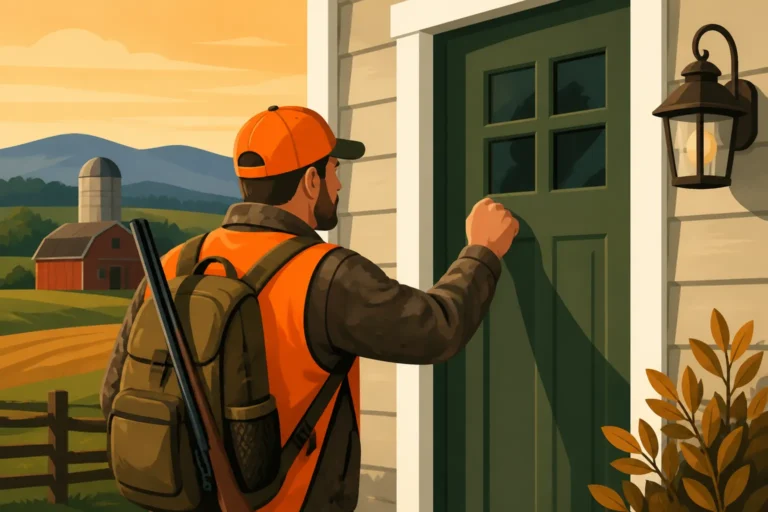
Start by identifying potential properties on aerial maps, looking for those prime habitat features like unkempt field corners, thick fencerows, or overgrown stream banks. Then, the real work begins: knocking on doors. Don't show up in full camo, gun in hand, on opening day. Instead, try to approach landowners a few weeks before the season, perhaps on a weekday when they might be less busy. Dress presentably, be polite, introduce yourself, and clearly state your request. Offer to help with chores, share some of your harvest, or simply promise to be respectful of their property. Many farmers appreciate hunters who offer to help with chores or predator control. Be prepared for "no," but also know that a friendly, respectful approach can often open doors, sometimes even leading to long-term hunting relationships. Information on Getting Private Land Permission in New York and Knocking on Doors in Southern Tier Farm Country can offer additional guidance on this crucial step. Remember, treating private land with the utmost respect is paramount to maintaining these valuable hunting opportunities for everyone.
Effective Hunting Tactics for Western New York Pheasants
Whether you're going it alone or have the luxury of hunting with a seasoned bird dog, understanding how pheasants behave in Western New York's farmland habitats is key to success.
Hunting Without a Dog
Let's face it, not every pheasant hunter has a finely tuned bird dog trotting alongside them. Hunting pheasants without a canine companion requires a different approach, relying more on strategic movements, group dynamics, and an intimate knowledge of pheasant behavior. When hunting solo or with a small group of human partners, you need to become the "dog" – systematically working cover and anticipating flushing points.
One of the most effective tactics is to implement a slow, methodical push through promising cover. Instead of walking quickly, shuffle your feet and pause frequently. Pheasants are notorious for holding tight, often letting you walk right by them before exploding out behind you. By pausing, you often make them nervous enough to flush. If you're with a partner or two, strategize by having one person "block" the end of a field edge or hedgerow while others push towards them. This prevents birds from simply running out the end of the cover without flushing. Focus heavily on dense spots, brush piles, and the very edges of fields, especially where cover meets open ground. Remember, a pheasant's primary defense is often running and hiding, so cut off their escape routes and force them to fly. This can be particularly effective when trying to find birds in a Pheasant Hunting a Fencerow Edge scenario.
The Advantage of Hunting with Dogs
There's no denying it: a well-trained bird dog can revolutionize your pheasant hunting experience. The efficiency, finding power, and sheer joy a good dog brings to the field are unmatched. Whether you prefer a pointing breed like a German Shorthaired Pointer or an English Setter, or a flushing breed such as a Springer Spaniel or Labrador Retriever, a dog's ability to locate scent and force a flush is invaluable.
Pointing dogs excel at pinpointing birds that are holding tight, allowing the hunter to move in for the shot. The suspense of watching a dog lock up on point, tail rigid, nose to the wind, is a highlight of upland hunting. Flushing dogs, on the other hand, are tireless workers, covering ground quickly and driving birds into the air, often in dense cover where a pointing dog might struggle to get a solid point. Both types of dogs are fantastic at finding downed birds, minimizing cripples and ensuring a more ethical harvest. Training is paramount; a dog that doesn't heed commands can quickly turn a fun hunt into a frustrating one. Working with your dog in the off-season, simulating hunting scenarios, and focusing on obedience will pay dividends in the field. For hunters interested in this, exploring Running Pointing Dogs on New York Pheasants can provide more specific insights.
Post-Stocking Tactics and Hunter Pressure
The reality of hunting stocked pheasants is that release sites can draw a crowd, especially on opening day and subsequent weekend mornings. This hunter pressure can dramatically change bird behavior. Freshly stocked birds might be a bit disoriented and easy to find initially, but they quickly become educated, running more and holding tighter as the season progresses.
To maximize your success, consider hunting on weekdays when pressure is typically lower. If you must hunt on a weekend, try waiting until later in the day after the initial morning rush has subsided, or focus on areas that other hunters might overlook. These could be small, isolated patches of cover, dense thickets that are difficult to penetrate, or areas further away from main parking access points. Birds that have been pushed by previous hunters will often seek refuge in these less accessible spots. It's also worth revisiting areas a few days after a known stocking, as some birds may have moved into new cover, and the initial wave of hunters will have passed through. Patience and persistence, coupled with a willingness to explore less obvious cover, will often put birds in your game vest.
Essential Gear and Safety Considerations
Having the right gear not only increases your comfort and effectiveness but also significantly enhances your safety in the field. Pheasant hunting involves shotguns, often in close quarters with other hunters, so safety is paramount.
Shotgun and Ammunition Choices for Pheasants
When it comes to shotguns for pheasant hunting in Western New York, there's a bit of personal preference involved, but some general guidelines hold true. The most popular choices are 12-gauge and 20-gauge shotguns, both perfectly capable of cleanly taking pheasants. A 12-gauge offers a heavier payload and a denser pattern, which can be an advantage on longer shots or when hunting less cooperative birds. However, a 20-gauge is lighter to carry, often quicker to shoulder, and still provides plenty of punch for pheasants, especially with modern ammunition. If you're accustomed to a heavier rifle for deer hunting, like those used for Shotgun Slugs for New York Deer, the lighter swing of a 20-gauge for birds might surprise you.
For chokes, a Modified or Improved Cylinder is generally ideal. These chokes provide a good balance between pattern density for closer flushing birds and enough spread for those that get up a bit further out. Full chokes can be too tight in dense cover, leading to missed opportunities on close flushes. As for ammunition, lead shot is generally permitted for pheasants on private lands. However, many WMAs and other public hunting areas in New York require the use of non-toxic shot for all upland game, so always check the specific regulations for your hunting area. For lead shot, 1 ¼ ounce loads of 4 or 5 shot are standard, offering excellent knock-down power. For non-toxic, look for steel shot in sizes 2 or 3, or bismuth/Tungsten Super Shot (TSS) in smaller sizes like 4 or 5, which offer superior performance but come at a higher cost.
| Shotgun Gauge | Recommended Choke | Shot Size (Lead) | Shot Size (Non-Toxic Steel) | Notes |
|---|---|---|---|---|
| 12 Gauge | Modified, IC | #4, #5 | #2, #3 | Versatile, good range |
| 20 Gauge | Modified, IC | #5, #6 | #3, #4 | Lighter, fast swinging |
Proper Clothing and Field Essentials
Pheasant hunting often involves walking through dense, thorny cover, sometimes in chilly or damp conditions. Proper attire is not just about comfort; it's about protection and safety. First and foremost, blaze orange is a non-negotiable safety item. New York requires hunters to wear a minimum amount of blaze orange (or pink) during certain seasons, and for pheasant hunting, it's wise to exceed the minimums. A blaze orange hat and vest or jacket are essential for visibility, especially when hunting with others or on public land. Learn more about New York Blaze Orange Requirements.
Beyond safety, consider protection from the elements and the brush. Heavy-duty brush pants or chaps are a lifesaver, preventing scrapes, tears, and thorn punctures from briars, multiflora rose, and thick sumac. Layering your upper body with moisture-wicking base layers, an insulating middle layer, and a waterproof/windproof outer shell will keep you comfortable as you work up a sweat then cool down. Sturdy, waterproof boots with good ankle support are also crucial for navigating uneven terrain and wet fields. Don't forget a game vest or bird bag with ample pockets for shells, water, snacks, and a first-aid kit. A whistle for dog handlers, a sharp knife, and a compass or GPS device (or your phone with a mapping app) round out the essentials for a successful and safe day afield.
Regulations and Reporting Requirements
Hunting in New York comes with a set of rules and requirements designed to manage wildlife populations and ensure hunter safety. Being familiar with these is not just good practice, it's the law.
Understanding New York's Pheasant Season and Permit
New York's pheasant season typically opens in mid-October across most of the state, with specific dates varying by zone and sometimes by particular WMAs. It's crucial to consult the current year's New York State Hunting and Trapping Regulations Guide for exact opening and closing dates and any special area regulations. These guides are available online on the DEC website or at license vendors. You'll also need to be aware of the daily bag limit, which is typically two pheasants per day, regardless of sex.
Beyond your general hunting license, there's a specific requirement for pheasant hunters: the New York Pheasant Program Permit. This permit, which is usually free, is mandatory for anyone hunting pheasants on lands designated as Public Pheasant Hunting Areas. It helps the DEC track hunter participation and gauge the effectiveness of their stocking program. You can typically obtain this permit when you purchase your hunting license or through the DEC's online licensing system. Make sure you have it, along with your hunting license, whenever you're afield. For full details on the permit and season dates, including New York Pheasant Permit Requirement and New York Small Game and Upland Bird Seasons, always refer to the official DEC regulations.
The Importance of Hunter Education and Safety
No matter how many years you've been hunting, safety should always be your top priority. New York, like many states, requires all first-time hunters to complete a Hunter Education course before they can purchase a hunting license. This course covers essential topics such as firearm safety, ethical hunting practices, wildlife identification, and state hunting laws. It's designed to create responsible, knowledgeable hunters, and you can learn more about it at New York Hunter Education Requirements.
Even if you're a seasoned veteran, a refresher on the basics is never a bad idea. Always treat every firearm as if it's loaded, keep the muzzle pointed in a safe direction, be sure of your target and what's beyond it, and keep your finger off the trigger until you're ready to shoot. When hunting with dogs or partners, maintain communication and be aware of everyone's position. The cackle of a flushing pheasant can be startling, but don't let the excitement override your good judgment. A safe hunt is a successful hunt, regardless of whether you fill your bag limit. Let's make sure everyone comes home safely at the end of the day.
Disclaimer
The information provided in this guide is for general informational purposes only and is not a substitute for official regulations. Always consult the current New York State Department of Environmental Conservation (DEC) Hunting and Trapping Regulations Guide and any local ordinances before heading afield. Hunting regulations can change annually, and it is the hunter's responsibility to know and follow all applicable laws.