Trapping New York Furbearers
For folks interested in the long, storied tradition of trapping in New York State, it can often feel like you’re trying to navigate a dense thicket of regulations, techniques, and ethical considerations. The thought of setting a trapline can be intimidating, especially with so many different species and habitats to consider. This comprehensive guide aims to demystify the process, offering practical advice and a clear understanding of what it takes to ethically and effectively trap furbearers across the diverse landscapes of New York.
Understanding New York's Furbearer Landscape
Trapping in New York isn't just a pastime; it's a critical tool in wildlife management, helping to maintain healthy furbearer populations and balance ecosystems. Before you even think about setting a trap, it’s vital to understand the species you’ll be encountering and the regulatory framework that governs their pursuit.
Key Furbearer Species in New York
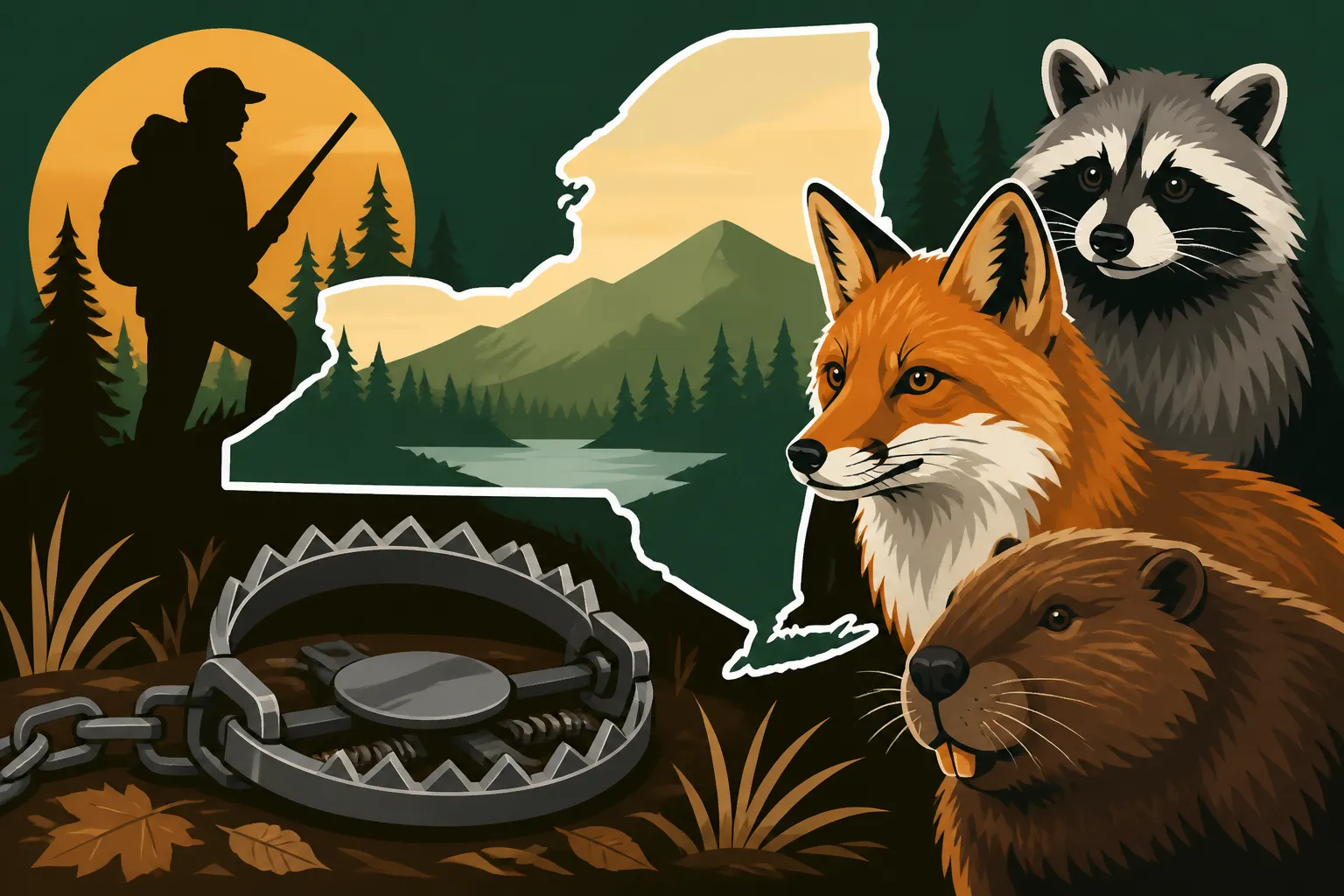
New York is home to a rich array of furbearer species, each with its own unique habits and habitats. From the aquatic dwellers like muskrats and beavers to the terrestrial predators such as foxes, coyotes, and bobcats, and even the elusive fishers, understanding these animals is your first step. Muskrats are commonly found in wetlands, marshes, and slow-moving waterways, often building distinctive "huts" or burrowing into banks. Beavers, the quintessential engineers of the forest, inhabit ponds, streams, and rivers throughout the state, creating lodges and dams that significantly alter their environment.
Moving to more terrestrial species, raccoons are ubiquitous, thriving in both rural and suburban settings, often near water sources and agricultural fields. Red and gray foxes, while similar in general appearance, have distinct preferences; red foxes often favor open country and farm fields, while gray foxes are more common in dense woodlands and brushy areas. Coyotes are truly statewide, incredibly adaptable animals that can be found from the Adirondacks to Long Island. These canids are opportunistic hunters and scavengers, making them a consistent presence across virtually all landscapes.
Then we have the more elusive furbearers like the mink, a sleek, semi-aquatic predator found along stream banks and marshy edges, and the fisher, a powerful member of the weasel family often associated with mature conifer and mixed hardwood forests, particularly in the Adirondack and Catskill regions. While less common, bobcats also roam New York’s wilder, more remote areas, especially in the Southern Tier, Catskills, and parts of the Adirondacks. Each of these species plays a unique role in New York's ecosystems, and trappers contribute to their sound management. You can learn more about specific populations in guides like New York Mink and Muskrat Populations or Bobcat Range and Numbers in New York.
Regulations and Seasons for Trapping
Navigating the rules and regulations is arguably the most critical aspect of responsible trapping in New York. The New York State Department of Environmental Conservation (NYSDEC) publishes a comprehensive Furbearer Regulations Guide annually, which is your absolute bible. This guide details everything from license requirements to legal trap types, trap sizes, setting restrictions, and daily bag limits. Ignoring these rules isn't just risky; it's irresponsible and can lead to significant penalties.
Season dates vary widely by species and often by management zone within the state. For instance, muskrat seasons typically open earlier in the Northern Zone than in the Southern Zone, and beaver seasons might have different opening and closing dates depending on local population objectives. Some species, like bobcat and fisher, require special carcass tagging and reporting beyond your general trapping license, often involving specific deadlines for submitting animal parts for biological study. A good rule of thumb is to meticulously review the current regulations before each trapping season, as changes can occur year-to-year. This diligent check ensures you’re always operating within the law and contributing positively to wildlife conservation efforts.
Your basic requirement will be a New York trapping license, which often includes a small game hunting privilege. However, even with a license, you need to be acutely aware of local ordinances and land-specific rules, especially when trapping on public lands like State Forests or Wildlife Management Areas. For comprehensive details on these legal requirements, make sure to check New York Trapping Seasons and Tagging.
Essential Trapping Equipment and Setup
Successful trapping isn't just about knowing the animals and the rules; it's also about having the right tools for the job and knowing how to use them effectively. The equipment you choose and how you set it up can make all the difference between an empty trap and a successful catch.
Types of Traps and Their Applications
New York law permits several types of traps, each designed for specific purposes and furbearer species. Understanding their mechanics and appropriate use is fundamental. Foothold traps, often called "leghold traps," come in two main designs: coil-spring and long-spring. These traps are designed to hold an animal by the foot, minimizing injury when properly set and maintained. They are highly effective for canines like fox and coyote, as well as raccoons and mink. Legal sizes are strictly regulated, with limits on jaw spread to ensure humane capture. For example, a typical #1.5 coil-spring might be used for fox, while a larger #3 or #4 coil-spring is more appropriate for coyotes.
Conibear traps, also known as body-gripping traps, are designed to dispatch the animal quickly by striking its body or neck. These are particularly effective for aquatic furbearers like beaver and muskrat, and terrestrial species like fisher and raccoon. They come in various sizes, with the 110 and 120 series commonly used for muskrat and mink, and the larger 220 and 330 series for raccoon, otter, and beaver. Safety is paramount with Conibears due to their powerful springs; always use safety grippers and be aware of your surroundings to prevent accidental injury to yourself or non-target animals.
Live traps, or cage traps, are designed to capture animals without injury, allowing for relocation or release. These are often used for nuisance animals in populated areas or when a trapper specifically wants to avoid dispatching the animal. They are effective for raccoons, opossums, and sometimes even smaller canids. Finally, snares are legal for certain furbearers in New York, often used for coyotes and foxes. Snares consist of a loop of cable designed to tighten around an animal's neck or body. Like all traps, snares have strict regulations regarding loop size, breaking strength, and how they must be set to prevent unintended catches or undue suffering. Proper snare placement and break-away devices are critical for ethical use.
Baits, Lures, and Attractants
Once you have your traps, the next step is to entice your target. This is where baits, lures, and attractants come into play, turning your set into an irresistible invitation. Natural baits, such as fish scraps, beaver meat, or tainted red meat, are excellent for carnivorous species like fox, coyote, and mink. These can be combined with commercial food lures that mimic natural food sources. For beavers, fresh-cut aspen or poplar branches are often enough, but commercial castor lures, which replicate the beaver's own scent marking, can be incredibly effective.
Lures can be broadly categorized into gland lures, food lures, and curiosity lures. Gland lures, often made from the scent glands of the target animal (e.g., fox urine, bobcat gland), tap into the animal's territorial instincts or breeding urges. Food lures mimic attractive food smells, while curiosity lures simply pique an animal's interest. The key is to understand what motivates your target species. A fisher, for example, might respond well to a loud, visual attractor like a bird wing combined with a bloody bait, whereas a coyote might be drawn to a urine-based gland lure that suggests another coyote has passed through.
Scent control is absolutely critical, particularly when targeting intelligent furbearers like coyotes and foxes. Human scent on traps, tools, or even your boots can be a major deterrent. Many trappers wear rubber gloves, use clean tools, and boil or dye their traps to remove manufacturing odors and create a neutral or camouflaged finish. Understanding wind direction and thermal currents is also paramount; you want your lure's scent to drift into areas where animals are likely to travel, not directly to your concealed hiding spot. This attention to detail is often what separates a consistently successful trapper from one who struggles.
Setting Up a Trapline
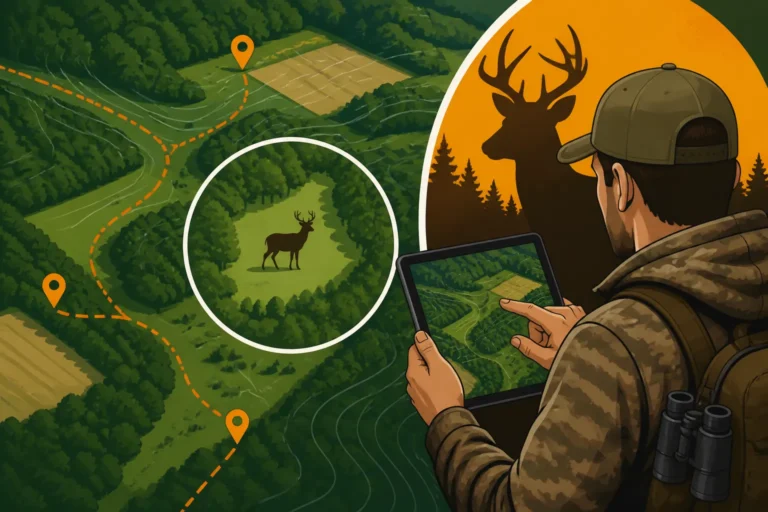
Setting up a productive trapline is an art form that blends meticulous scouting with a deep understanding of animal behavior. It all begins with scouting long before the season opens. You're looking for signs of furbearer activity: tracks in mud or snow, scat, rub marks, dens, feeding areas, and travel corridors. For aquatic species, scout waterways for beaver dams, lodges, muskrat runs, and mink tracks along the banks. For canids, look for established trails, scat marking posts, and den sites. Utilizing mapping tools, like the public land layers on apps such as GoHunt, can be incredibly helpful for identifying potential pinch points, water crossings, or thick cover that funnel animal movement.
Strategic trap placement is crucial. Think about where an animal would naturally step or investigate. For example, a dirt hole set for a fox should mimic a natural digging site, placed strategically along a field edge or logging road where foxes travel. A beaver castor mound set should be positioned in water near a bank, mimicking a natural scent post. Look for natural constrictions in the landscape, such as a narrow crossing point on a stream, a fence line, or the edge of a dense thicket, as these are often prime locations for sets. For the truly wild regions, understanding how to apply these techniques on remote tracts can be learned from Running a Trapline in the Adirondacks.
Finally, anchoring and camouflage complete the set. Traps must be securely anchored to prevent an animal from escaping with the trap. This can involve staking the trap to the ground with rebar stakes, securing it to a drag (a heavy piece of wood or metal that prevents the animal from moving far), or using a drowning device for water sets. Camouflage is equally important, especially for wary species like coyotes. Covering the trap with natural materials like dry leaves, grass, or sifted dirt helps it blend into the environment, making it less detectable by keen eyes and sensitive noses. The goal is a natural, unassuming appearance that puts the target animal at ease as it approaches the lure or bait.
Species-Specific Trapping Strategies in New York
While the general principles of trapping remain consistent, tailoring your approach to the specific behaviors and habitats of each furbearer species is key to maximizing your success.
Trapping Muskrat and Beaver
For muskrats, focus on their aquatic domain. These semi-aquatic rodents prefer marshes, wetlands, slow-moving streams, and ponds. Look for their conical grass and mud lodges, or the smaller "push-ups" they create for feeding stations. Their well-worn underwater runs and den entrances along banks are prime locations. Small body-gripping traps (like the 110 or 120 series) or small foothold traps (like a #1 or #1.5) are effective. Den sets, where a trap is placed at the entrance of a muskrat's burrow, and runway sets, placed in their underwater travel paths, are highly productive. Baiting with apples, carrots, or even corn can enhance attraction, though muskrats often don't need much convincing if the trap is in a good travel lane.
Beavers, being much larger and more powerful, require different tactics. They inhabit larger ponds, streams, and rivers, building impressive dams and lodges. Prime locations for beaver traps include channels leading to their lodges or feeding areas, points where they climb out of the water, and active castor mounds. Larger body-gripping traps (like the 330 series) are highly effective when placed in submerged runs or at dam crossovers, ensuring a quick, humane dispatch. Foothold traps (like a #4 or #5) can also be used on land at their entry points or at castor mound sets, often baited with fresh aspen or birch branches, or a good commercial castor lure. It's important to be aware of New York Beaver Population and Damage if you're trapping for nuisance control. Water sets are generally safer and more effective for both muskrats and beavers, ensuring the animal quickly drowns, minimizing suffering.
Trapping Fox and Coyote
When targeting foxes in New York, both red and gray, your strategy shifts to terrestrial dry land sets. Red foxes often prefer the edges of fields, open woodlands, and agricultural areas found throughout the Southern Tier and parts of Western New York. Gray foxes are more tied to denser, brushier cover and hardwoods, particularly in the Catskills and other more rugged regions. The classic "dirt hole set" is a go-to for both. This involves digging a small hole at an angle, placing bait (e.g., fish, tainted meat) or lure (e.g., fox urine, gland lure) inside, setting a well-camouflaged foothold trap nearby, and blending the disturbed earth. "Flat sets" or "post sets" are also effective, where a lure is applied to a natural object like a clump of grass or a stump, with a trap concealed at its base.
Coyotes are notoriously intelligent and wary, making them a challenge but also highly rewarding to trap. Found statewide, their adaptability means they can be present in almost any habitat. Larger, more powerful foothold traps (e.g., #3 or #4 coil-spring) are essential for coyotes. Dirt hole sets are still effective, but they often need to be larger and more aggressive, using stronger lures and a wider scent pattern. Post sets, where a prominent object is used as a scent post with a trap placed strategically, also work well. When trapping coyotes, excellent scent control is paramount. Many trappers also incorporate calling into their coyote hunting strategy, which can be a great way to locate active areas, as discussed in Coyote Calling in a New York Winter. Their keen sense of smell means any trace of human odor can cause them to avoid a set. For more about these wily canids, delve into New York Red Fox and Gray Fox Range.
Trapping Mink, Raccoon, and Fisher
Mink are sleek, agile predators found along New York's waterways, including stream banks, marsh edges, and pond shorelines. They are opportunistic hunters of small mammals, birds, and fish. Small body-gripping traps (110 or 120 series) or small foothold traps work well. Effective sets include "pocket sets," where a hole is dug into a bank at the water's edge and baited with fish or muskrat meat, with a trap placed at the entrance. "Run-through sets," where a body-gripping trap is placed in a natural constriction along a mink's travel route, are also highly effective.
Raccoons are incredibly common and adaptable furbearers, often found near water, agricultural fields, and even suburban areas. They are omnivores, attracted to a wide range of baits. Cage traps are very effective for raccoons, especially in sensitive areas, and can be baited with sweet foods, corn, or fish. Body-gripping traps (220 series) can be used in culverts, hollow logs, or specially constructed "dog-proof" traps which only allow a raccoon's paw to enter, reducing non-target catches. Trapping raccoons is often a balance of targeting their curiosity and their insatiable appetite.
Fishers are robust members of the weasel family, typically inhabiting forested areas, particularly in the Adirondacks, Catskills, and parts of the Tug Hill Plateau. They are known for their preference for conifer and mixed hardwood forests. Because they are powerful animals, body-gripping traps (160 or 220 series) are commonly used and often placed in protective boxes or cubbies to direct the animal and minimize non-target catches. "Box sets" or "lean-to sets," constructed from natural materials or plywood, house the trap and are baited with bloody meat, fresh beaver, or a strong skunky lure. Safety is crucial when setting fisher traps due to the power of the springs. Understanding their habitat and movements, often along ridge lines and through dense timber, is key to success. You can dive deeper into these animals by reading Fishers and Martens in New York.
Responsible Trapping Practices and Ethics
Trapping carries a significant responsibility. Ethical and humane practices are not just good for the animals; they are essential for the long-term health and public acceptance of trapping as a valid wildlife management tool.
Trap Check Times and Animal Welfare
One of the most critical aspects of responsible trapping in New York is adhering to strict trap check times. The law mandates how frequently you must check your traps, which is typically every 24 or 48 hours, depending on the trap type and location. For body-gripping traps in water sets, the check time is often shorter, sometimes requiring daily checks. This regulation isn't arbitrary; it's designed to minimize the time an animal spends in a trap, reducing stress, exposure to elements, and the chance of injury. A trapper's commitment to these check times is a fundamental ethical obligation.
Minimizing animal stress and injury is central to humane trapping. This involves using appropriate trap sizes for the target species—a trap too small can lead to injury, while one too large can cause unnecessary distress. Proper trap maintenance, ensuring springs are strong and jaws close correctly, is also vital. When an animal is caught, a responsible trapper approaches cautiously, calmly, and dispatches the animal swiftly and humanely. This often involves specific techniques that ensure a quick and painless end, reflecting respect for the animal.
Furthermore, ensuring animals are handled as minimally as possible once caught helps reduce their stress. This includes having proper tools for dispatch on hand and understanding how to quickly and efficiently secure the animal. The goal is to make the experience as brief and humane as possible from the moment of capture to the dispatch.
Avoiding Non-Target Catches
One of the trapper's biggest challenges is avoiding the capture of non-target species, including domestic animals or protected wildlife. This requires careful planning and execution of your sets. Strategies to minimize non-target catches include choosing appropriate trap sizes (e.g., using smaller traps in areas where a large protected animal might roam), selecting specific locations away from known pet travel routes or sensitive ecological areas, and using species-specific baits. For instance, an all-meat bait might attract a domestic dog, so a trapper might opt for a lure with less general appeal or use a "dog-proof" trap designed to only allow a raccoon's paw inside.
If a non-target animal is caught, knowing how to deal with it safely and legally is paramount. The NYSDEC regulations provide guidelines for releasing non-target species. This often involves careful handling, having release tools (like a catchpole for canids), and understanding the animal's behavior to avoid injury to both the animal and the trapper. In cases of protected species, reporting the incident to the DEC immediately is often required. Understanding the typical movements of local wildlife and being aware of residential areas helps in placing traps in locations less likely to encounter domestic animals. Before you hit the woods, a thorough check of local conditions, perhaps with a tool like GoHunt, can help identify areas of higher human activity to avoid.
Processing Your Catch and Regulations
Once a furbearer is harvested, the work isn't over. Proper processing, primarily skinning, fleshing, and stretching the pelt, is essential to preserve its value and honor the animal. These techniques vary by species. For example, muskrats are often "case skinned" (peeled off like a sock) and stretched on wire forms, while larger animals like beaver are "open skinned" (fleshed out flat) on a board. Learning the correct methods ensures the pelt is dried properly, preventing spoilage and fetching the best price at market, if that is your intention. Many experienced trappers take pride in the quality of their pelts, viewing it as a continuation of the hunting and trapping tradition.
For certain species, New York has specific tagging and reporting requirements. For example, bobcats and fishers typically require a special tag provided by the DEC immediately after harvest, and their carcasses or specific parts (like a tooth for aging) must often be submitted to the DEC by a certain deadline. This data is crucial for wildlife biologists to monitor populations and set future seasons. Failing to adhere to these reporting rules is a serious violation and undermines the very conservation efforts that trapping supports. Always consult the most recent NYSDEC Furbearer Regulations Guide for detailed instructions on carcass tagging, reporting, and submission requirements for each species you pursue.
The Role of Trapping in Conservation
Trapping, often misunderstood by the general public, plays a vital and scientifically supported role in modern wildlife conservation in New York and beyond. It’s far more than just taking animals; it's a dynamic management tool.
Population Management and Ecological Balance
One of the primary conservation benefits of regulated trapping is its effectiveness in population management. Furbearers, particularly species like beaver and muskrat, can reproduce rapidly. Unchecked populations can lead to significant ecological damage. Beavers, for instance, can flood vast areas, altering stream flows and destroying timber, while muskrats can cause erosion through extensive burrowing in dikes and dams. Trapping helps keep these populations within healthy limits, preventing overpopulation that can lead to widespread disease outbreaks, habitat degradation, and competition for resources among animals.
Beyond population control, trapping contributes to ecological balance. By managing certain furbearer populations, trappers can help protect other wildlife species. For example, in areas where predator populations like coyotes or raccoons become overly abundant, they can exert significant pressure on ground-nesting birds, small game, and even deer fawns. Regulated trapping helps to mitigate this imbalance, allowing prey species a better chance at survival and contributing to a healthier overall ecosystem. Trappers are essentially on the ground, acting as vital stewards of the land, directly participating in the intricate dance of wildlife management.
The role of trappers in wildlife management has a long, rich history in New York, dating back to the earliest European settlers. Today, trappers continue to be essential partners with the NYSDEC, providing critical data through harvest reports and carcass submissions. Their efforts help maintain sustainable populations for future generations, ensuring that these valuable furbearers remain a vibrant part of New York's natural heritage.
Disease Monitoring and Public Safety
Trappers often act as the first line of defense in disease monitoring. Because they are out in the field regularly and directly interact with furbearers, they are uniquely positioned to observe and report signs of disease outbreaks. For example, trappers are often the first to notice animals exhibiting symptoms of rabies, canine distemper, sarcoptic mange, or other ailments that can spread rapidly through furbearer populations and potentially impact domestic animals or humans. Reporting these observations to the NYSDEC is crucial for wildlife disease monitoring efforts, as explored in New York Wildlife Disease Monitoring. This early detection can sometimes allow for interventions that prevent wider outbreaks.
Furthermore, trapping directly contributes to public safety and property protection. Beavers building dams in critical culverts can cause significant flooding on roads and agricultural fields. Muskrats burrowing into pond banks can compromise their structural integrity. Raccoons, foxes, and coyotes, particularly in areas near human habitation, can become nuisance animals, preying on livestock, pets, or causing property damage. Regulated trapping provides an effective and targeted method for removing these nuisance animals, mitigating conflicts between humans and wildlife, and preventing costly damage to infrastructure and agricultural operations. Trappers are often called upon to address these specific issues, providing a practical solution when other deterrents fail.
| Furbearer Species | Primary Habitat | Typical Trap Type(s) | Key Attractants | NYS Zone Presence |
|---|---|---|---|---|
| Muskrat | Wetlands, marshes, slow streams | Body-grip (110/120), small foothold | Apples, carrots, corn | Statewide |
| Beaver | Ponds, rivers, streams | Body-grip (330), large foothold | Aspen, castor lure | Statewide |
| Raccoon | Near water, agriculture, suburban | Cage, body-grip (220), dog-proof | Sweet foods, fish | Statewide |
| Red Fox | Field edges, open woodlands | Foothold (#1.5/2) | Urine, gland lure, fish | Statewide |
| Gray Fox | Dense woods, brushy areas | Foothold (#1.5/2) | Urine, gland lure, meat | Statewide |
| Coyote | Highly adaptable, statewide | Foothold (#3/4), snare | Gland lure, urine, meat | Statewide |
| Mink | Stream/marsh banks, waterways | Body-grip (110/120), small foothold | Fish, muskrat meat | Statewide |
| Fisher | Mature conifer/hardwood forests | Body-grip (160/220) in cubbies | Bloody meat, skunky lure | Adirondacks, Catskills, Tug Hill |
| Bobcat | Remote, rugged forests | Foothold (#3), snare, cubby set | Meat, bobcat urine, feathers | Southern Tier, Catskills, Adirondacks |
Disclaimer
The information provided in this guide is for informational purposes only and is not a substitute for the official New York State Department of Environmental Conservation (NYSDEC) hunting and trapping regulations. Always consult the most current NYSDEC regulations and guides before engaging in any hunting or trapping activities, as laws and seasons can change annually. It is your responsibility to understand and abide by all applicable federal, state, and local laws.