Applying for a Fourth DMP in 2026
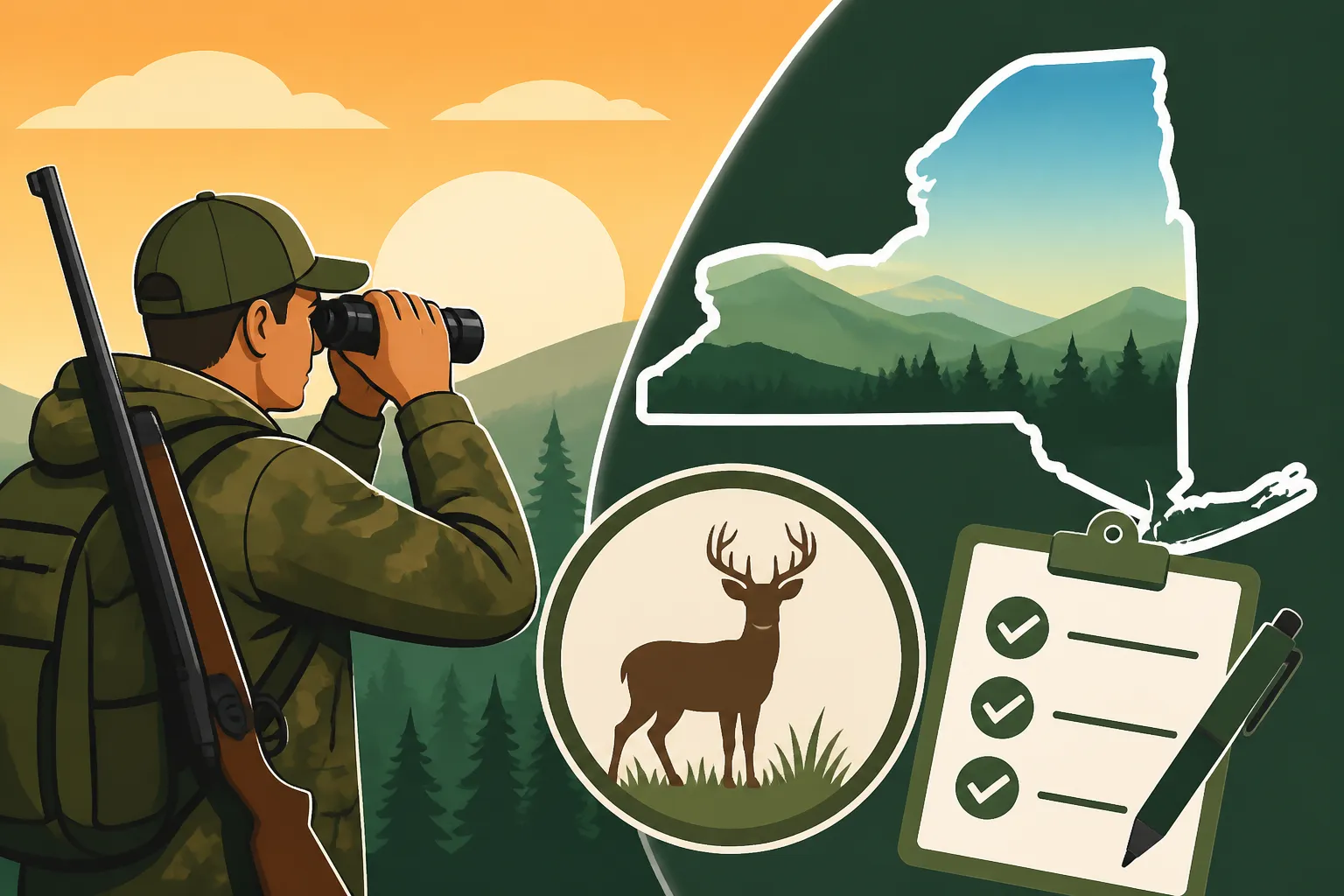
Navigating the ever-evolving regulations for deer hunting in New York can sometimes feel like trying to hit a moving target, especially when you're hoping to maximize your freezer filling opportunities. The desire to harvest more deer, whether for personal consumption or to contribute to sound deer management, often runs up against the complexities of permit systems. This guide is designed to cut through the confusion surrounding the upcoming changes for 2026, specifically focusing on how New York hunters can prepare for and successfully apply for a potential fourth Deer Management Permit (DMP).
The Evolution of New York's DMP System and the 2026 Shift
For many years, New York's Deer Management Permit system has been a cornerstone of how the state balances deer populations with environmental and human interests. It's a system that, while sometimes frustrating to navigate, is ultimately designed to keep our deer herds healthy and in check.
A Brief History of Deer Management Permits
When we talk about DMPs, we're primarily discussing antlerless harvest. These permits allow hunters to take a doe or, in some cases, an antlerless fawn, in specific Wildlife Management Units (WMUs). The whole idea behind them is to control deer populations, especially in areas where numbers might be getting a little too high for the habitat to support, or where deer are causing agricultural damage or increasing deer-vehicle collisions. Historically, the process involved applying for a first and second choice WMU, and then crossing your fingers for the lottery drawing. If you were successful, you’d receive one or maybe two DMPs, depending on the availability and demand in your chosen WMUs. These permits have always been a critical tool for regulating our deer numbers, ensuring that we, as hunters, are active partners in conservation. For a broader understanding of this system, you might want to read up on New York Deer Management Permits Explained.
Why the Change to a Fourth DMP for 2026?
The upcoming change to allow for a fourth DMP in 2026 isn't just a random tweak; it's a strategic move by the New York State Department of Environmental Conservation (DEC) to address ongoing deer management challenges. Over the years, many WMUs, particularly in the Southern Zone and agricultural regions, have seen robust deer populations. While this can be great for hunting opportunities, unchecked growth can lead to overbrowsing, habitat degradation, and increased conflicts with landowners. The DEC's rationale often ties back to specific population goals, aiming to reduce herd numbers in certain areas to alleviate agricultural damage, improve forest regeneration, and stabilize buck-to-doe ratios for healthier breeding.
Hunters have also played a significant role in this shift. There’s a consistent demand for more opportunities to hunt, and when deer populations are high, it makes sense to provide additional harvest options. This move acknowledges both the biological needs of the deer herd and the desires of the hunting community. It's a proactive step to fine-tune the management plan, especially in the context of recent New York Deer Population Estimate numbers that indicate growth in many areas.
Navigating the New Four-DMP System: What Hunters Need to Know
Understanding how this new four-DMP system will actually work on the ground is key to taking advantage of it. It’s not just about getting more permits; it’s about understanding the timing, the eligibility, and the specific nuances of the application process.
Initial Application and Lottery Process for Multiple DMPs
The foundation of the DMP system for 2026 will likely remain familiar, starting with your primary application. This is where you'll indicate your first and second choice WMUs, just as before. However, the potential for a third and now a fourth DMP will build upon this initial process. The lottery system plays a critical role, particularly for WMUs classified as "limited," where the demand often outstrips the supply of permits. In these WMUs, your chances are determined by a random drawing.
It's crucial to understand the distinction between "limited" and "unlimited" WMUs. Limited WMUs have a set number of permits, making them harder to draw, especially as a first or second choice. Unlimited WMUs, on the other hand, issue permits to all applicants who list them as a first or second choice, and often have additional permits available later. Knowing which category your desired WMU falls into is vital. You can learn more about these distinctions in Limited Versus Unlimited DMP Wildlife Units. Tools like GoHunt can be incredibly valuable here, as they often provide historical data and insights into your drawing odds for specific WMUs, helping you make informed decisions about your initial choices.
Applying for Bonus DMPs and the Fourth Permit
Once the initial lottery results are in, the real strategy for securing those additional DMPs begins. Typically, after the primary application period, the DEC opens up an "instant lottery" or offers over-the-counter sales for remaining DMPs. This is where the third and, for 2026, the potential fourth permit will come into play. These bonus DMPs are generally available in WMUs that still have a high antlerless quota after the initial draw, meaning they need more deer harvested to meet their management objectives.
The specific timing for these bonus DMPs is critical. Historically, additional DMPs become available in mid-September for many WMUs, allowing hunters to pick up extra tags if they didn't get enough in the initial draw or if new opportunities arise. This process will be expanded to include the fourth permit. Keep a close eye on DEC announcements around this time. Being ready to apply quickly when these permits become available can make all the difference, as they are often distributed on a first-come, first-served basis. If you're planning to take advantage of these additional permits, understanding Applying for a Bonus DMP Mid-Season can be incredibly helpful. These are often the WMUs with a higher deer population, sometimes concentrated in specific habitats like those found when Hunting Southern Tier Farmland Deer.
Strategic Considerations for Maximizing Your DMP Opportunities
Simply knowing that a fourth DMP is possible isn't enough; you need a solid strategy to actually acquire and effectively use it. This involves diligent research, careful planning, and a commitment to staying informed.
Researching WMU Quotas and Hunter Success Rates
The cornerstone of a successful multi-DMP strategy is thorough research. You need to identify the WMUs where a fourth DMP is most likely to be offered. These are invariably the WMUs where the DEC has the highest antlerless quotas, indicating a need for significant deer removal. The DEC publishes harvest reports and DMP availability data annually, which are invaluable resources. By reviewing this data from previous seasons, you can spot trends: which WMUs consistently have permits leftover, and which ones have historically low hunter success rates for antlerless deer, leading to more available tags.
For example, WMUs in areas with extensive agricultural lands, like some parts of the Finger Lakes Region or the Southern Tier, often have higher quotas due to deer causing crop damage. These are prime candidates for where additional DMPs will be released. This is where a tool like GoHunt truly shines. It often aggregates this data, making it easier to visualize and analyze WMU performance, helping you pinpoint high-potential areas and improving your odds of finding available permits. Don't just apply blindly; use the data to your advantage. Understanding the overall New York Deer Population Estimate helps put these quotas into perspective.
Planning Your Hunt Around Multiple DMP Opportunities
Acquiring multiple DMPs changes the entire dynamic of your hunting season, requiring a more expansive and adaptable approach. With the potential for three or even four antlerless tags, you might need to adjust your usual hunting grounds or tactics. If you typically focus on one specific parcel, you might now consider scouting additional WMUs or public lands that are known to offer more DMPs. Areas with high deer density, such as those discussed in Hunting Southern Tier Farmland Deer, are often excellent places to target if you've secured multiple antlerless tags.
Your strategy might involve making trips to different regions of the state throughout the season to utilize all your permits. For instance, if you secure a fourth DMP for an area like the Genesee Valley, you'd want to factor in the travel and the specific characteristics of hunting that region. It’s a good idea to start Scouting New York Public Land Before Season in multiple WMUs if you're serious about filling those extra tags. Consider combining DMP hunting with other seasons; for example, if you have DMPs available in December, you might integrate them into your New York Muzzleloader Season Tactics, as DMPs are valid during those later firearm seasons. This level of planning ensures you have the time and access to make the most of every opportunity.
Understanding Reporting Requirements for Multiple Harvests
With multiple DMPs comes increased responsibility, especially when it comes to reporting your harvest. It cannot be stressed enough: every single deer you harvest, regardless of how many DMPs you have, must be reported to the DEC. This is not just a formality; it's a legal requirement and a critical component of New York's deer management program. Accurate reporting allows the DEC to gather vital data on harvest rates, population trends, and overall herd health. Without this data, their management decisions would be far less effective.
The process for reporting is straightforward. You can do it online through the DEC's HuntFishNY portal, via their dedicated reporting hotline, or directly through the HuntFishNY mobile app. Make sure you report your harvest as soon as reasonably possible after taking the animal. Failing to report a deer can result in fines and other penalties. It’s also important to correctly tag your deer with the appropriate DMP immediately after the kill. This ensures everything is legal and accounted for. If you're new to the process or need a refresher, check out Reporting a Deer Through HuntFishNY for detailed instructions.
Practical Tips for Securing and Using Your Fourth DMP
Securing and utilizing a fourth DMP isn't just about understanding the rules; it's about being proactive and prepared throughout the season.
Staying Informed About DEC Announcements
The rules and availability for DMPs can sometimes shift, even within a season, based on real-time data and management needs. To avoid missing out on crucial windows for additional permits, make it a habit to actively seek out information. The best way to do this is to sign up for email alerts directly from the New York DEC. These alerts will notify you of important deadlines, lottery results, and, most importantly, when additional DMPs become available.
Beyond email, regularly checking the official DEC website is paramount. They often post news releases and updates specifically about deer season and DMP availability. Don't rely solely on word-of-mouth or social media posts, as information can sometimes be delayed or misinterpreted. Many reputable hunting resources, like GoHunt, also provide timely updates and analyses of DEC announcements, which can be a convenient way to stay in the loop, especially when new regulations like the four-DMP system are implemented.
Ethical Considerations and Management Impact
As hunters, we are not just participants; we are stewards of the land and its wildlife. The privilege of having additional DMPs, including a potential fourth, comes with a responsibility to uphold ethical hunting practices and understand our role in wildlife management. These additional DMPs are not just about personal opportunity; they are a tool the DEC uses to manage deer populations effectively.
This means committing to responsible harvest. Aim for clean, ethical shots to ensure a quick and humane kill. Practice your shooting skills, whether with a rifle, shotgun, or bow, so you're confident when the moment of truth arrives. Furthermore, understanding that these DMPs contribute directly to maintaining healthy deer herds and mitigating issues like disease spread or habitat degradation reinforces the importance of using them wisely. For example, in areas that might be designated as a New York's Chronic Wasting Disease Containment Area, additional DMPs might be issued to reduce population density and monitor the herd, highlighting our critical role in the larger management picture. Remember, every deer harvested under a DMP is a contribution to balanced ecosystems and sustainable hunting for future generations. For those focused on maximizing harvest, tactics like Filling Extra DMPs in Unlimited WMUs can be part of a sound management approach.
DMP Application Stages and Likelihood of Receiving a 4th Permit
Here’s a breakdown of the typical DMP application stages and what that might mean for your chances of securing a fourth permit.
| Application Stage | Timing | Likelihood of Receiving a DMP | Likelihood of Receiving a Fourth DMP | Key Considerations |
|---|---|---|---|---|
| Initial Lottery | Early application period (typically July) | High for unlimited WMUs, variable for limited WMUs | Very Low (usually 1-2 permits max) | Prioritize your top 2 WMU choices carefully. |
| Instant Lottery/Bonus DMP | Mid-September onwards | Variable, depends on WMU leftover quotas | Moderate, in specific WMUs with high needs | Act quickly when available; these are often first-come, first-served. |
| Over-the-Counter Sales | Late September/October (if available) | Lower, only if permits remain | Moderate to High, in very high-needs WMUs | These are usually in WMUs with persistent high populations. |
This table illustrates that securing that coveted fourth DMP will likely involve vigilance and prompt action during the later stages of the application period, focusing on WMUs where management objectives require significant antlerless harvest. Keep an eye on the New York Deer Seasons by Zone as these permits will align with those open dates.
Disclaimer
Please remember that hunting regulations, including those pertaining to Deer Management Permits, can change. While this guide is based on the most current information available regarding anticipated 2026 changes, it is always your responsibility to consult the official New York State Department of Environmental Conservation (DEC) hunting regulations guide and website for the most up-to-date and accurate information before heading afield.