New York Canada Goose Bag Limit
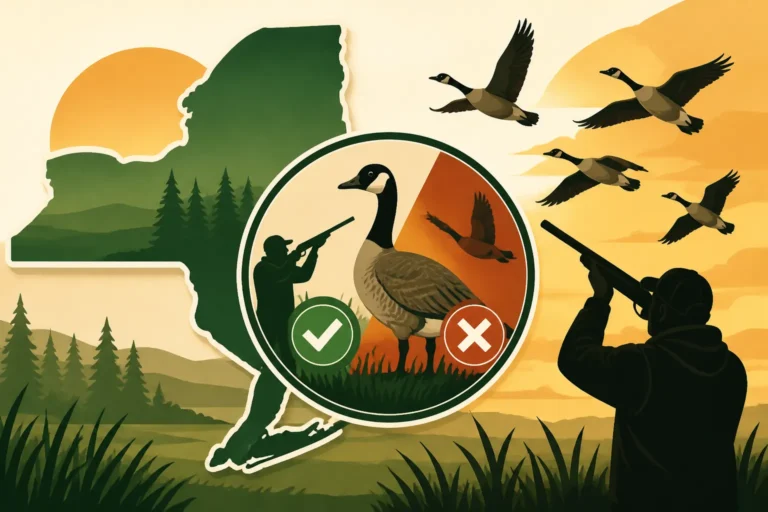
Trying to figure out the Canada goose bag limit in New York State can feel like you need a degree in deciphering regulations. It’s not just one simple number you can remember; it changes based on where you are, what time of year it is, and sometimes even the specific sub-zone. This guide is here to untangle that web of rules, so you can confidently head out to the marsh or field knowing exactly what your daily limit is and why those numbers can shift so dramatically.
Understanding New York's Canada Goose Management Zones
New York State is a big place, and the goose populations within it vary wildly. You've got resident geese that breed here year-round, and then you have migratory birds that pass through on their way to warmer climates. Because of these differences, the New York State Department of Environmental Conservation (DEC) has carved the state into several distinct management zones, each with its own specific seasons and bag limits for Canada geese. It's crucial to know which zone you're hunting in, because mixing them up could lead to a quick conversation with a conservation officer.
The zones are designed to allow hunters to target specific populations of geese. For instance, the early September season is primarily aimed at reducing burgeoning resident goose populations that can cause agricultural damage and nuisance issues in suburban areas. Later seasons then accommodate the migratory birds that pass through New York as part of the massive Atlantic Flyway. Understanding these zones is the first step in decoding the bag limits, and it's a good idea to consult a resource like the GoHunt app or the official DEC website to pin down your exact location's zone boundaries before you even think about setting out your decoys.
The Western Zone
This zone generally covers areas west of a line running through central New York, including places like the Finger Lakes and the western Lake Ontario shoreline. It's a mix of agricultural fields, small lakes, and river systems that attract a good number of both resident and migratory Canada geese. The regulations here are often tailored to manage these mixed populations. Hunters in this area often find themselves hunting cut cornfields or along river bottoms, adapting their strategies based on the birds present. If you're planning on waterfowl hunting by zone, keep in mind that the Western Zone often has distinct differences from other parts of the state.
During the regular seasons, the daily bag limit for Canada geese in the Western Zone typically hovers around 3-5 birds per day, though this can fluctuate slightly year to year based on population assessments. There are also usually special early and late seasons that might have different limits, particularly the early September season which can see a much higher bag limit to help control resident populations.
The Northeast Zone and Lake Champlain Zone
These zones encompass the vast Adirondack region and the areas surrounding Lake Champlain. Geese here are often found on larger lakes, isolated ponds, and in the few agricultural pockets that exist. The sheer scale of the Adirondacks means hunting pressure can be lower in some areas, but finding the birds can be a challenge. The Lake Champlain Zone specifically follows regulations that are often set in coordination with Vermont, given the shared resource.
Historically, the daily bag limit in these zones during the regular season might be a bit lower, often around 3 birds per day. The rationale here is often tied to managing smaller, more dispersed resident populations, and allowing migratory birds adequate passage. Just like in the Western Zone, an early September Canada goose season will likely have a higher bag limit, sometimes up to 8 or even 15 birds, to address resident goose issues before the bulk of the migratory birds arrive. These higher early season limits are a key tool in managing local goose impacts.
The Central and Hudson Valley Zones
The East Central and Hudson Valley zones cover a large swath of the state, from the eastern Finger Lakes region down through the Hudson River Valley and extending towards the Catskills. These areas feature a mosaic of farms, wetlands, and suburban developments, all of which provide ample habitat for Canada geese. The Hudson Valley, in particular, has a significant number of resident geese that often interact with human populations.
Bag limits in these zones during the regular season are typically around 3-5 geese per day. The early September season is critically important here, often featuring some of the highest bag limits in the state, sometimes up to 15 birds daily, specifically to target the abundant resident Canada geese. It's important for hunters in these areas to be particularly diligent about checking the current regulations each year, as adjustments are common to fine-tune management efforts. Being familiar with New York Waterfowl Hunting by Zone can help you stay current on these ever-changing boundaries and rules.
Long Island Zone
Long Island is a unique ecological area, and its goose management reflects that. With extensive coastal marshes, bays, and agricultural lands, it's a critical wintering ground for many migratory waterfowl, and also supports a large resident goose population that can become a significant nuisance in suburban parks and golf courses. The bag limits and seasons here can be quite distinct from the rest of the state.
The Long Island Zone typically has a regular season bag limit of 3-5 Canada geese. However, the early September season, targeting resident geese, can boast a generous 8-15 bird daily limit, and there's often a late season, sometimes extending well into February, that also has a higher bag limit, again to help control the growing numbers of Canada Geese on Long Island. These late seasons are fantastic opportunities for hunters to pursue geese when much of the rest of the state's waterfowl seasons have closed.
Specific Canada Goose Bag Limits by Season Type
It's not enough to know your zone; you also need to understand that the bag limit for Canada geese isn't static throughout the hunting calendar. New York employs different season types to manage its goose populations effectively, and each type comes with its own set of rules.
Here's a breakdown of how the bag limits usually shake out across these different season structures. Remember, these numbers are subject to change annually based on federal guidelines and state population assessments, so always double-check the current year's DEC regulations.
| Zone | Early September Season (Daily Bag Limit) | Regular Season (Daily Bag Limit) | Late Season (Daily Bag Limit) |
|---|---|---|---|
| Western Zone | 8-15 | 3-5 | N/A (often part of regular) |
| Northeast Zone | 8-15 | 3 | N/A (often part of regular) |
| Lake Champlain Zone | 8-15 | 3 | N/A (often part of regular) |
| East Central Zone | 15 | 3-5 | N/A (often part of regular) |
| Hudson Valley Zone | 15 | 3-5 | N/A (often part of regular) |
| Long Island Zone | 8-15 | 3-5 | 8-15 (specific dates) |
(Note: "N/A" for Late Season typically means these zones don't have a distinct late season with different bag limits; hunting falls under the regular season dates if open.)
Early September Canada Goose Season
This season is a gift to goose hunters and a vital management tool for the state. It typically runs for about three weeks in early September, before most other waterfowl seasons open. The primary target here is New York's abundant resident Canada goose population, which has exploded in recent decades. These birds rarely migrate far and can cause significant agricultural damage, mess up urban parks, and even pose risks at airports. The bag limits during this season are incredibly generous, often ranging from 8 to 15 geese per day, depending on the zone. This is a prime opportunity to fill your freezer, and it's less crowded than later seasons. Hunters often use field setups or target smaller ponds and waterways where resident geese congregate. It's also a great time to practice those Early Goose Season Tactics in New York.
One of the biggest advantages of the early season is the weather. While it can be warm, it's generally pleasant for hunting, though proper meat care is essential. It's a fantastic chance to introduce new hunters to the sport or to fine-tune your calling and decoying skills before the migrators arrive. Checking the GoHunt platform or the DEC’s "Summary of Regulations" booklet annually for exact dates and limits for the early season in your chosen zone is absolutely critical, as these are often adjusted based on population data.
Regular Canada Goose Seasons
The regular goose seasons typically open in late October or early November, coinciding with the arrival of migratory Canada geese from their northern breeding grounds. These seasons run through much of the fall and into early winter, often with split seasons or closures depending on the zone. The bag limits during these regular periods are generally much more conservative, typically 3-5 geese per day. This reduction reflects the need to manage the overall migratory population sustainably, as these birds are subject to hunting pressure across multiple states and provinces along New York Waterfowl on the Atlantic Flyway.
Hunting during the regular season can be fantastic, especially during periods of cold fronts when large numbers of new birds are pushing south. You'll often find yourself hunting different types of habitat than in the early season, focusing on larger fields, major rivers, and big lakes. Decoy spreads become more elaborate, and calling strategies are crucial to pull in wary migratory birds. Keep in mind that when hunting any migratory bird, federal requirements like the New York Federal Duck Stamp Requirement and your HIP certification are mandatory, regardless of the season.
Late Canada Goose Seasons
While not all zones have a distinct "late season" with different bag limits, the Long Island Zone often does, and some other zones might have extensions of the regular season that run into January or even February. These late seasons are often designed to target specific populations of geese that winter in certain areas or to provide additional harvest opportunities where resident populations remain high.
For instance, on Long Island, the late season can have a higher bag limit, sometimes returning to 8 or even 15 geese per day, much like the early September season. This is because Long Island winters a significant number of both migratory and resident geese, and continued hunting pressure is important for management. Hunting late-season geese requires tough gear, like warm waders and insulated clothing, as you'll be out in some of the coldest weather of the year. Finding late-season food sources like waste grain in cut fields or open water can be key to success. If you're hunting in a frigid Layout Blind Hunting a Cut Cornfield, you'll appreciate good cold-weather gear.
Factors Influencing Goose Bag Limits
Understanding why the bag limits are what they are can sometimes feel as complex as the regulations themselves. It's not arbitrary; a lot of science, data collection, and inter-state and international cooperation go into setting these numbers each year. The U.S. Fish and Wildlife Service, in conjunction with state agencies like the DEC, continually monitors goose populations to ensure sustainable hunting opportunities for future generations.
Population Health and Surveys
The most significant factor influencing bag limits is the health and size of the Canada goose population. Wildlife biologists conduct extensive surveys, including breeding pair counts on nesting grounds in Canada and the northern U.S., as well as wintering ground surveys. If populations are thriving and exceeding management objectives, bag limits might be increased to help control numbers. Conversely, if surveys show a decline, limits might be reduced to allow populations to recover.
These surveys don't just count numbers; they also look at things like nesting success, gosling survival rates, and harvest rates from previous seasons. All this data is fed into models that predict future population trends and help determine what level of harvest is sustainable. The migratory nature of these birds means that New York's DEC coordinates closely with other states along the Atlantic Flyway to ensure consistent management. This collective approach helps maintain a healthy overall population of New York Waterfowl on the Atlantic Flyway.
Agricultural and Nuisance Damage Concerns
Resident Canada geese, in particular, can be a major headache for farmers and landowners. Large flocks can quickly decimate crops, contaminate ponds, and generally be a nuisance in parks, golf courses, and even suburban lawns. This is why you see those higher bag limits during the early September season and often during late seasons in specific zones. These generous limits are a direct tool to help mitigate human-wildlife conflicts caused by an overabundance of local geese.
In areas like the Hudson Valley and parts of the Long Island Zone, where human population density is high and there's a good amount of green space, managing resident geese is a constant challenge. Hunters play a crucial role in helping to keep these populations in check, providing a valuable service alongside their recreational pursuit. It's often where you'll find great opportunities, especially if you can get permission to hunt private fields causing damage. When asking for access, consider bringing up the New York Landowner Deer Tag Rules as an example of how landowners can benefit from proper wildlife management.
Weather Patterns and Migration
While not directly impacting the set bag limits, annual weather patterns can drastically influence hunting success and the effective number of geese available to hunters. Mild winters might mean geese don't push as far south, keeping more birds north of New York. Severe cold fronts, on the other hand, can trigger massive migratory movements, bringing waves of fresh birds into the state and offering incredible hunting opportunities.
These migration patterns are a constant puzzle for waterfowlers. One week, the fields might be full, and the next, they're empty as birds continue their journey south. Being adaptable and scouting regularly is key. Using mapping tools like those found on GoHunt, or simply driving rural roads, can help you locate current concentrations of birds. Don't forget that if you're hunting near open water, you might need specialized gear like Waders for New York Marsh Hunting to access those prime spots.
Essential Reminders for Canada Goose Hunters
Beyond the bag limits and zones, there are a few other crucial pieces of information every Canada goose hunter in New York needs to be aware of. Neglecting these can turn a successful hunt into a costly mistake.
Federal and State Licenses
First and foremost, you need the right paperwork. This includes your basic New York hunting license, a New York State Migratory Bird Stamp, and a federal Migratory Bird Hunting and Conservation Stamp (the "Duck Stamp"). You also need to be Harvest Information Program (HIP) registered, which is usually a quick online declaration when you buy your license. This information helps the U.S. Fish and Wildlife Service track hunter participation and harvest. Missing any of these means you're hunting illegally. Don't risk it; ensure you've ticked all the boxes before you even consider heading afield. Having your New York HIP Certification for Bird Hunters is a small step with big importance.
Reporting Your Harvest
While there isn't typically a mandatory per-bird reporting requirement for Canada geese in New York like there is for deer or bear, hunters are often selected for federal harvest surveys. If you receive a postage-paid survey card in the mail, please take the time to fill it out accurately and return it. This data is incredibly important for wildlife managers to get a clear picture of harvest numbers and to make informed decisions about future seasons and bag limits. Your participation directly contributes to sound wildlife management.
Decoy Limits and Ethical Hunting
While New York doesn't typically impose a numerical limit on the number of decoys you can use for geese, ethical hunting practices and fair chase principles are always paramount. Overly aggressive tactics or practices that don't allow birds a fair chance are frowned upon and, in some cases, illegal. Always ensure you are hunting safely, respecting landowners (if on private land), and adhering to all hunting hours and safety zone requirements. When it comes to Decoy Spreads for New York Divers or geese, more isn't always better; placement and realism often trump sheer numbers.
Knowing the specific Canada goose bag limit in your zone and during your chosen season is fundamental to a successful and legal hunt in New York. The system might seem complex at first glance, but it's designed with sound wildlife management in mind, balancing hunting opportunity with population sustainability. Always consult the most current DEC regulations before each season, utilize tools like GoHunt for up-to-date information, and enjoy your time pursuing these magnificent birds across the diverse landscapes of New York.
Disclaimer
The information provided in this article is for general guidance only and is subject to change. Hunting regulations, seasons, and bag limits are set by the New York State Department of Environmental Conservation (DEC) and the U.S. Fish and Wildlife Service and can be modified annually. Hunters are solely responsible for checking and complying with the most current official regulations before engaging in any hunting activities.