New York’s Black Bear Population
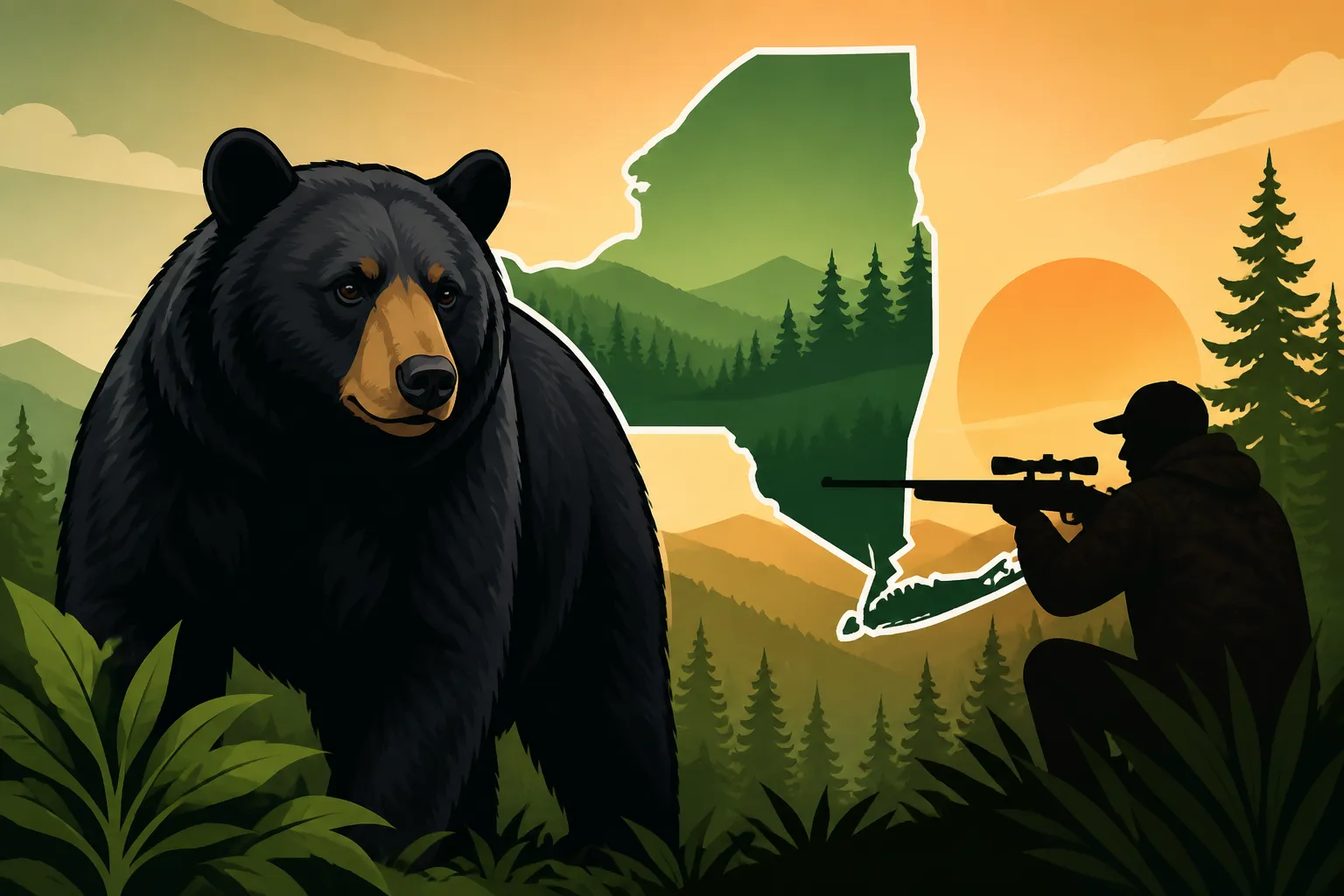
There’s a unique thrill, and sometimes a bit of trepidation, that comes with sharing the woods with a black bear. For many years, these magnificent creatures were a rare sight in much of New York, almost ghost-like. However, their numbers have rebounded impressively, leading to more frequent encounters, both welcome and sometimes startling, for hunters and residents alike. This guide will delve deep into the thriving and expanding black bear population across New York, offering insight into their history, behavior, and what it means for those of us who share their wild spaces.
The Resurgence and Range of New York's Black Bears
It wasn't always a given that New Yorkers would have a healthy, growing black bear population. For a long stretch, especially through the 19th and early 20th centuries, habitat destruction and unregulated hunting pushed bear numbers to critically low levels. But thanks to dedicated conservation efforts and a greater understanding of wildlife management, these apex omnivores have made an incredible comeback.
Historical Perspective and Modern Comeback
Imagine a New York where black bears were essentially confined to the deepest, most remote parts of the Adirondacks and Catskills, struggling to survive against the tide of human expansion. That was the reality for generations. As forests were cleared for agriculture and timber, and hunting was largely unregulated, bear populations dwindled. It took a significant shift in public attitude and wildlife policy to turn the tide. The establishment of the New York State Department of Environmental Conservation (DEC) and the implementation of sound game laws, coupled with reforestation efforts, provided the necessary foundation for recovery. These initiatives allowed bear populations to slowly but surely expand their territories, demonstrating a remarkable resilience when given the chance. Today, their presence is a testament to successful conservation.
Current Population Estimates and Key Strongholds
Today, New York boasts a robust black bear population, estimated to be between 7,000 and 8,000 bears statewide, and potentially even higher with recent expansion. The heart of this population remains in what are known as the state's three primary bear range regions: the Adirondack, Catskill, and Allegany Plateaus. The Adirondack Mountains, with their vast wilderness and extensive forest cover, represent the largest and most stable bear population. Here, you'll find healthy densities of bears, especially in the more remote sections of The Adirondack Forest Preserve.
The Catskill Mountains, another traditional stronghold, also support a significant bear population, with some of the highest densities found in specific areas. The Allegany Plateau, extending across the western Southern Tier, has seen impressive growth in its bear numbers over the past few decades, establishing itself as a crucial third core region. The DEC continuously monitors these populations through various methods, including harvest data analysis, den studies, and the mandatory submission of bear teeth from harvested animals, which helps gauge age structures and overall health. If you're wondering about Catskill Bear Density Compared to the Adirondacks, suffice it to say both offer ample opportunities, though the terrain and bear habits can differ greatly.
Expanding Territories and Suburban Encounters
One of the most remarkable aspects of New York's black bear story is their persistent expansion beyond these traditional strongholds. Bears are incredibly adaptable, and as their populations have grown, younger bears, particularly males, are driven to seek out new territories. This natural dispersal has led to bears establishing themselves in areas like the Hudson Valley, the Tug Hill Plateau, and even parts of central and western New York where they were historically absent or extremely rare.
This expansion is largely fueled by excellent habitat connectivity, abundant natural food sources, and in some cases, the allure of human-provided food in increasingly suburbanized areas. While it’s exciting for wildlife enthusiasts to see bears returning to these regions, it also brings challenges. Residents are increasingly encountering bears in their backyards, raiding bird feeders, garbage cans, and even chicken coops. The DEC works tirelessly to educate the public on coexistence strategies, emphasizing the importance of securing food attractants to minimize conflicts and keep both bears and people safe.
Understanding Bear Behavior and Ecology in New York
To truly appreciate New York's black bears, it helps to understand their intricate lives, from their seasonal wanderings to their dietary preferences and unique reproductive cycles. These behaviors are finely tuned to the rhythms of the natural world and are critical to their survival.
Seasonal Movements and Habitat Preferences
Black bears in New York are masters of adaptation, and their movements are largely dictated by the changing seasons and the availability of food. In spring, after emerging from their dens, bears are often ravenous. They seek out tender new greens, carrion from winter kills, and emerging insects. As summer progresses, their diet shifts to berries – blueberries, raspberries, and blackberries are prime targets. During this time, they might traverse significant distances in search of these ephemeral food sources.
The real push begins in late summer and fall, a period known as hyperphagia, when bears enter an intense feeding frenzy to pack on fat reserves for winter denning. This is when acorns, beechnuts, and other hard mast become incredibly important. A good mast crop can mean bears stay deeper in the woods, while a poor one can push them closer to human settlements in search of alternative sustenance. While they prefer dense, mature forests, swamps, and remote mountainous regions, don't be surprised to find them utilizing agricultural fields, especially those with corn, or even dense hedgerows bordering suburban areas when food is scarce elsewhere. Their home ranges can vary dramatically, from a few square miles for a sow with cubs to hundreds of square miles for a roaming male.
Diet and Foraging Habits
New York black bears are classic omnivores, meaning their diet is incredibly diverse. While they possess impressive strength, they're not typically predatory in the way a wolf or mountain lion is. The vast majority of their diet consists of plant material, particularly fruits, berries, nuts, and grasses. Acorns and beechnuts are especially critical during the fall, providing the high-calorie energy needed for hibernation. Insects like ants, grubs, and even bees (and their honey!) are also vital protein sources. They’ll also scavenge carrion, feeding on deer or other animals that didn't make it through the winter.
However, bears are incredibly intelligent and opportunistic. If easily accessible food is present, they will take advantage of it. This includes raiding unsecured garbage cans, feasting on birdseed, or visiting compost piles. While these human-provided food sources can be detrimental to bears by habituating them to people and causing conflicts, they represent a high-calorie, low-effort meal for a hungry animal. Understanding this drive is key to minimizing negative interactions and promoting healthy, wild bear behavior.
Denning Behavior and Reproduction
As the cold weather sets in, typically from November through April, New York's black bears retreat to their winter dens. These dens aren't necessarily elaborate caves; they can be as simple as a hollow log, a rock crevice, a thick brush pile, or even a shallow depression under a fallen tree. The primary goal is shelter from the elements and a secure place to undergo a state of torpor, a lighter form of hibernation.
Within the security of their den, typically in late January or early February, female bears (sows) give birth to tiny, blind, and helpless cubs. Usually, two or three cubs are born, each weighing less than a pound. The sow nurses them through the remainder of the winter, providing warmth and sustenance. By the time they emerge from the den in spring, the cubs are larger, more active, and ready to follow their mother on her foraging expeditions. Cub survival rates are influenced by many factors, including food availability, predation (though rare for black bear cubs from other bears), and human interaction. Sows generally reproduce every two years, ensuring they have ample time to raise their young.
Bear Management and Conservation Efforts
Managing a thriving, expanding population of large omnivores like black bears in a state with significant human population density is a complex dance. The New York DEC takes a proactive, science-based approach to ensure healthy bear populations while minimizing conflicts with people.
DEC's Role in Population Management
The New York State Department of Environmental Conservation plays a pivotal role in maintaining the health and stability of the state's black bear population. One of the primary tools in their management arsenal is regulated hunting. By carefully setting seasons, bag limits, and specific hunting zones, the DEC aims to control bear numbers, particularly in areas where populations are dense or expanding rapidly. This helps to prevent overpopulation, which could lead to increased disease, habitat degradation, and more human-bear conflicts.
Beyond hunting regulations, the DEC conducts extensive research, including population modeling, radio-telemetry studies, and den surveys. They collect data from harvested bears, such as the mandatory submission of a premolar tooth from each bear taken, which allows biologists to determine the bear's age. This detailed data helps the DEC understand population trends, age structures, and reproductive rates, allowing them to make informed decisions about future management strategies. If you're curious about the impact of hunting, the New York Bear Harvest Numbers provide excellent insight.
Human-Bear Conflict Mitigation
As bears expand into more developed areas, human-bear conflicts inevitably rise. The DEC is deeply invested in educating the public on how to coexist safely with bears. Their core message revolves around eliminating food attractants. This means securing garbage in bear-proof containers or storing it indoors until collection day, removing bird feeders between April and November, cleaning barbecue grills after use, and properly storing pet food.
When conflicts do occur, the DEC has protocols in place. For nuisance bears that become habituated to human food sources and pose a risk, various hazing techniques may be employed to discourage their presence. In extreme cases where a bear becomes a significant public safety threat, more drastic measures might be necessary, but prevention through education and proactive management remains the DEC's preferred approach. It’s about teaching people how to manage their environment to reduce bear visits, rather than continuously managing the bears themselves.
Habitat Conservation and Connectivity
The long-term health of New York's black bear population is intrinsically linked to the availability of suitable habitat. Large, contiguous blocks of forest are essential for bears to thrive, providing cover, food, and denning sites. Both The Adirondack Forest Preserve and The Catskill Forest Preserve are prime examples of extensive public lands that serve as critical bear habitat.
Beyond simply preserving existing habitat, the concept of habitat connectivity is increasingly important. This involves maintaining and enhancing corridors that allow bears to move safely between different forested areas, promoting genetic diversity and allowing for natural dispersal into new ranges. Efforts by organizations and state agencies focus on smart land use planning, protecting critical wetland areas, and ensuring that development doesn't fragment essential wildlife pathways. Much of the New York State Forest Hunting land, for example, contributes significantly to these connected habitats.
Hunting Black Bears in New York
For many New York hunters, pursuing a black bear is the ultimate challenge. It requires patience, woodcraft, and a deep understanding of bear behavior. New York offers ample opportunities for bear hunting, but success often hinges on knowing the rules and adapting to the specific challenges of hunting these intelligent animals.
Seasons, Zones, and Regulations
New York offers diverse bear hunting opportunities across its three primary bear management zones: the Adirondack, Catskill, and Allegany Plateaus, along with portions of the central-eastern part of the state. Bear seasons often coincide with or precede deer seasons, allowing hunters to target bears with archery, muzzleloader, and regular firearm equipment.
For instance, archery bear season typically opens in mid-September in the Northern Zone (Adirondacks) and late September in the Southern Zone (Catskills and Allegany). Muzzleloader seasons usually follow in October, and then the regular firearm seasons, which align with the popular deer seasons in November. Specific dates and regulations, including legal shooting hours, vary significantly by zone and often change slightly year to year. It's absolutely crucial to consult the current year's hunting regulations guide, available from the DEC, for the precise dates in your target zone. Don't forget, you'll need a specific bear tag in addition to your big game license, and there’s a statewide bag limit of one bear per hunter per license year. For all the specifics, check out the New York Bear Season by Zone.
Ethical Hunting Practices and Shot Placement
Ethical hunting is paramount when pursuing black bears. Due to their thick hide, dense fur, and powerful build, bears require precise shot placement to ensure a quick, humane harvest. The ideal shot typically targets the vital organs—the lungs and heart—located behind the shoulder. Hunters must be patient, waiting for a clear, broadside or slightly quartering-away shot opportunity.
Tracking a wounded bear can be incredibly challenging, especially in dense New York cover. Bears can travel surprising distances, and their dark fur makes blood trailing difficult. This emphasizes the importance of using appropriate calibers, quality ammunition, and practicing diligently at the range to ensure accuracy under pressure. Always respect the animal and the challenge it presents. Moreover, ensure you've completed all required certifications; remember, New York Hunter Education Requirements apply to all new hunters.
Post-Harvest Requirements and Meat Handling
Once you've successfully harvested a black bear in New York, there are specific regulations and practices to follow. First and foremost, you must report your bear harvest to the DEC. This is often done online through the HuntFishNY system or by phone. This data is vital for DEC biologists to monitor population trends and health.
Crucially, New York requires hunters to submit a premolar tooth from their harvested bear. This tooth, which has growth rings similar to a tree, allows biologists to accurately determine the bear's age, providing critical demographic information for management purposes. Instructions and collection envelopes are typically available from the DEC. For more details on this, look up the New York Bear Tooth Reporting Rule.
Beyond the reporting, proper field dressing and meat handling are essential. Bear meat is delicious when handled correctly, but fat can spoil quickly, especially in warmer early season conditions. Rapid cooling of the carcass is key. Skinning and quartering the bear quickly, then getting the meat on ice or to a cooler, will ensure the best possible table fare. Remember, you're responsible for the meat, and careful handling guarantees a tasty reward for your efforts.
Challenges and Future Outlook for New York's Bear Population
While New York's black bear population is thriving, it faces ongoing challenges from environmental changes, disease, and the persistent need for human coexistence. Understanding these dynamics is crucial for ensuring the long-term health and stability of these magnificent animals.
Climate Change Impacts
Climate change presents a complex web of potential impacts on New York's black bear population. Warmer winters, for example, could alter denning patterns, potentially leading to earlier emergence from dens or shorter hibernation periods. This might affect a bear's energy reserves and reproductive success. Changes in precipitation patterns could influence the availability of key food sources. A drought, for instance, could reduce berry crops, while unusual frost events might damage acorn or beechnut yields.
Mast crop failures, driven by unpredictable weather, are particularly concerning. Bears rely heavily on these high-calorie foods in the fall to build up their fat reserves. If these vital food sources become less reliable, bears may be forced to forage more widely, potentially leading to increased conflicts with humans as they seek alternative food sources. The DEC continuously monitors these environmental factors to understand their long-term implications for bear management.
Disease and Health Monitoring
Like any wildlife population, New York's black bears are susceptible to various diseases and health issues, though typically at low levels. The DEC actively monitors bear health through examinations of harvested animals and response to sick or injured bears reported by the public. While there haven't been any widespread, devastating disease outbreaks in the black bear population recently, vigilance is always necessary.
Diseases such as mange, which can affect fur and skin, or other parasitic infections, can occur. Additionally, any potential spillover of diseases from other wildlife or domestic animals is always a consideration. Data gathered from bear tooth submissions and necropsies (animal autopsies) on found carcasses provide valuable insights into the overall health and vitality of the population, allowing biologists to detect any emerging health concerns early.
Public Perception and Coexistence
The continued expansion of New York's black bear population means more people are living in close proximity to these animals. This evolving dynamic places a significant emphasis on public perception and fostering coexistence. For many, seeing a bear is a thrilling experience, a tangible connection to wild nature. For others, particularly those who have had negative encounters (e.g., raided bird feeders or garbage), bears can be viewed as a nuisance or even a threat.
The challenge lies in educating the public to understand bear behavior, emphasizing that bears are generally shy and avoid humans, and that most conflicts arise when bears are attracted to easily accessible food sources. Promoting "bear-wise" practices, which involve simple steps like securing garbage and removing attractants, is crucial. The goal is to encourage a healthy respect for bears and to demonstrate that coexistence is possible through proactive prevention and responsible actions by humans. A responsible approach from all New Yorkers ensures that these impressive animals can continue to thrive.
A Hunter's Perspective: Strategy and Gear for New York Bears
Hunting black bears in New York offers a profound connection to the wild. It’s an immersive experience that tests your woodcraft, patience, and resolve. Unlike deer, bears are often more solitary and their movements can be less predictable, adding to the challenge and reward.
Scouting and Locating Bear Sign
Successful bear hunting often starts long before the season opens, with dedicated scouting. Bears are creatures of habit when it comes to food, so locating their preferred foraging areas is paramount. In spring and early summer, look for areas with abundant berry bushes – blueberries, blackberries, and raspberries are favorites. As fall approaches, shift your focus to hard mast crops: oak ridges with fresh acorns, or beech groves where nuts might be falling. Look for scat (droppings), which will tell you what they’re eating, and check for claw marks on trees, especially beech trees, where they climb to access nuts.
Additionally, keep an eye out for flipped-over rocks or logs, which indicate a bear has been rooting for insects. Near agricultural fields, look for damaged corn stalks or flattened areas where bears might be feeding. Utilizing modern mapping tools, such as those found on platforms like GoHunt, can be incredibly helpful for identifying potential food sources, thick cover, and travel corridors on public land. These apps allow you to mark specific bear sign, creating a detailed understanding of local bear movement patterns.
Hunting Techniques for New York's Diverse Terrain
New York’s varied landscape—from the vast, rugged wilderness of the Adirondacks to the steep, broken terrain of the Catskills and the rolling hills of the Southern Tier—demands adaptable hunting strategies for black bears.
In the dense, sprawling timber of the Adirondacks, still-hunting or spot-and-stalk can be effective, especially if you’ve located a productive mast crop. Moving slowly, using the wind to your advantage, and carefully scanning for movement can yield results. For more specific tactics, you might want to delve into Hunting Bears in the Adirondack Interior. Stand hunting over known travel routes or natural food sources, like a choke point between two clearings or a productive oak flat, can also be productive. Patience is key, as bears might only visit a food source periodically throughout the day.
In the Catskills, with its steep ridges and deep valleys, understanding thermals and elevation changes is crucial. Bears often travel along benches or saddles, and positioning yourself above these areas can be effective. Again, scouting for active food sources like beechnut groves is vital. For those venturing into the Catskills, specialized advice on Hunting Bears Without Bait in the Catskills can be invaluable. In the Southern Tier, where agriculture meets smaller woodlots and state forests, bears might utilize field edges or the thicker cover near swamps. Here, a well-placed ground blind or treestand overlooking a cornfield or a travel corridor can be successful.
Regardless of the terrain, always remember that New York has a strict "no baiting" rule for bears. You must rely on natural food sources and your woodsmanship. This makes bear hunting in New York a truly authentic and challenging endeavor, a testament to fair chase principles.
Essential Gear for Bear Hunting Without Bait
Successfully hunting bears without bait requires a thoughtful approach to gear. Your firearm choice is critical. While a wide range of legal calibers exist for deer, for bears, many hunters opt for a heavier hitting rifle, perhaps a .30-06, .308, or .300 Win Mag. Shotguns loaded with slugs are also effective, especially in areas where rifles are restricted. A good discussion on appropriate calibers can be found in Rifle Calibers for New York Bear. Muzzleloaders, too, are a popular choice during their specific seasons, offering a challenging and traditional hunting experience.
Beyond the weapon, optics are paramount. A good pair of binoculars, like 10x42s, will help you pick apart dense cover and identify movement. A high-quality rifle scope with good low-light performance is also vital, especially during dawn and dusk. For deep dives into what works best, consider Optics for Adirondack and Catskill Timber. A reliable rangefinder is also invaluable for confirming distances in often-confusing wooded environments.
Given the potential for remote hunting, especially in the Adirondacks, a GPS unit or a reliable mapping app on your phone (like GoHunt with downloaded offline maps) is non-negotiable for navigation and ensuring you stay safe and on track. Other essential gear includes scent control products, a sharp field dressing knife, game bags for quartering larger animals, and appropriate clothing layers to handle New York’s variable weather. The satisfaction of putting it all together and successfully harvesting a bear in New York's wild spaces is truly unmatched.
New York Black Bear Hunting Seasons (Summary Table)
Please note: Specific dates can vary year-to-year. Always consult the current New York State DEC hunting regulations guide for the most accurate and up-to-date information before planning your hunt.
| Bear Management Zone | Archery Season (Approx.) | Muzzleloader Season (Approx.) | Regular Firearm Season (Approx.) | Key Regions Covered | Bag Limit |
|---|---|---|---|---|---|
| Northern Zone | Mid-Sept to Mid-Oct | Mid-Oct to Mid-Nov | Mid-Sept to Mid-Oct, Mid-Nov to Early Dec | Adirondacks, Tug Hill | 1 Bear |
| Southern Zone | Late Sept to Mid-Nov | Mid-Oct to Mid-Nov | Mid-Nov to Mid-Dec | Catskills, Allegany, Hudson Valley | 1 Bear |
| Central-Eastern Zone | Late Sept to Mid-Nov | Mid-Oct to Mid-Nov | Mid-Nov to Mid-Dec | Portions of Mohawk Valley | 1 Bear |
Disclaimer
The information provided in this guide is for general informational purposes only and is not intended as legal advice. Hunting regulations, season dates, and specific requirements can change frequently. Always consult the official New York State Department of Environmental Conservation (DEC) hunting regulations guide for the most current and accurate information before participating in any hunting activity. Failure to comply with all applicable laws and regulations may result in penalties.