New York Wildlife Disease Monitoring
It's incredibly frustrating and disheartening to come across a sick or deceased animal in the woods, especially when you're out enjoying a hunting trip in New York. We all want our wild places to be teeming with healthy game, and the thought of widespread disease can cast a real shadow over the season. This guide will walk you through how New York monitors the health of its wildlife populations, how these efforts impact hunters, and what you can do to contribute to keeping our deer, turkeys, bears, and other game thriving for generations to come.
Why Wildlife Disease Monitoring Matters to Hunters
When we head afield, we're often focused on the immediate thrill of the hunt, the beauty of the landscape, and the challenge of finding game. But beneath the surface, there's a constant, vital effort happening to monitor the health of New York's wildlife. This isn't just about statistics; it directly impacts our hunting experiences, the health of the animals we pursue, and even our own well-being.
Protecting Deer and Other Game Populations
Think about the majestic whitetail deer that roam our woods or the gobblers that drum across our fields. These populations are dynamic, and their health is crucial for sustainable hunting. Diseases can decimate local herds, alter behavior, and even lead to long-term population declines, making it harder for hunters to find success year after year. For example, a severe outbreak of a disease like Epizootic Hemorrhagic Disease (EHD) can wipe out a significant portion of a deer herd in a specific area, leaving hunters with fewer animals and a lot of questions about what happened.
Beyond deer, monitoring efforts extend to black bears, wild turkeys, furbearers, and various small game species. A healthy ecosystem relies on healthy animals, and wildlife managers depend on robust data to make informed decisions about season lengths, bag limits, and other regulations that directly affect hunters. It's about ensuring there are always huntable populations for us to enjoy.
Safeguarding Human Health and Food Safety
While the primary concern is often the animals themselves, wildlife diseases can also pose risks to humans. These are known as zoonotic diseases, and while relatively rare, they are a serious consideration for anyone handling wild game. Concerns like rabies, tularemia, and even the more recent focus on Chronic Wasting Disease (CWD) highlight the importance of careful monitoring. As hunters, we consume the meat we harvest, and understanding the risks and safe handling practices is paramount.
New York's wildlife disease monitoring isn't just a biological exercise; it's a public health initiative. By identifying disease prevalence and patterns, state agencies can issue advisories, recommend testing, and provide guidelines to hunters on how to safely handle and consume their harvest. This proactive approach helps protect us and our families from potential health risks, giving us peace of mind when we sit down to a meal of venison or wild turkey.
Ensuring Sustainable Hunting Opportunities
Imagine a future where hunting opportunities are severely restricted due to widespread disease. It's a sobering thought. Effective disease monitoring is a cornerstone of responsible wildlife management, which in turn underpins sustainable hunting. When managers understand the health trends of game populations, they can implement strategies to mitigate disease spread, support herd recovery, and maintain healthy numbers for hunting seasons.
This directly translates to the ability to issue deer management permits, maintain consistent seasons, and ensure that the hunting traditions we cherish can continue. Without these monitoring efforts, we'd be flying blind, and the stability of our hunting seasons could be jeopardized. It’s an investment in the future of hunting in New York, protecting both the resource and our ability to pursue it.
Key Diseases Monitored in New York
New York faces a variety of wildlife diseases, some more impactful than others. State wildlife agencies keep a close eye on several key diseases that can affect both game populations and public health. Understanding these can help you recognize potential issues in the field.
Chronic Wasting Disease (CWD)
Perhaps the most talked-about and feared wildlife disease in recent memory is Chronic Wasting Disease, or CWD. It's a fatal neurological disease that affects cervids, including white-tailed deer, moose, and elk. The scariest part? There is currently no vaccine or cure, and it's always fatal. While New York has been incredibly vigilant and has largely kept CWD out of its wild deer herd, there was a captive deer facility case that put everyone on high alert. The Herkimer County CWD Containment Towns were established as a direct result, imposing strict rules on hunters in those areas.
Monitoring for CWD is a top priority, involving mandatory sampling in specific areas, especially around any potential exposure points. Hunters play a crucial role by cooperating with testing requirements and understanding New York Carcass Transport Restrictions to prevent any potential spread. Even though it hasn't established itself in our wild deer, the threat is always present, making robust monitoring essential for protecting our deer hunting future.
Epizootic Hemorrhagic Disease (EHD) and Bluetongue
These two diseases are viral infections that primarily affect white-tailed deer, often causing localized die-offs. EHD and Bluetongue are transmitted by biting midges (tiny gnats), and outbreaks typically occur in late summer and early fall, particularly during dry periods followed by rain. Deer infected with EHD might appear lethargic, develop a high fever, show swelling of the head, neck, and tongue, and often seek water, where they may eventually die. Many hunters have unfortunately encountered EHD Die-Offs in New York Deer during a warm fall, and it's a truly sad sight.
While these diseases can be devastating to local deer populations, they generally don't persist for long in an area, as the midges are killed by the first hard frost. EHD is not known to be transmissible to humans, even if you were to handle an infected deer. However, wildlife agencies monitor outbreaks closely to understand population impacts and to inform hunters about affected areas. If you see deer acting strangely or find multiple dead deer near a water source, it's very likely EHD or Bluetongue.
Avian Influenza and Other Bird Diseases
Our feathered game, like wild turkeys and waterfowl, also face disease threats. Avian influenza, often called "bird flu," is one such concern. While wild birds are natural carriers of various strains, certain highly pathogenic strains can cause severe illness and death in domestic poultry and occasionally spill over into wild bird populations. Hunters involved in New York Waterfowl Hunting by Zone are particularly aware of issues that can affect duck and goose populations. Avian Influenza in New York Birds is closely monitored, especially in migratory waterfowl, which can act as vectors for the virus.
Beyond avian influenza, conditions like Avian Pox can affect turkeys, causing wart-like lesions on their heads and legs. While usually not fatal, severe cases can impair a bird's ability to feed. Monitoring these diseases helps biologists understand population health, migration impacts, and potential risks to other bird species.
Mange, Rabies, and Other Mammal Ailments
Beyond deer and birds, other mammals are also part of New York's wildlife health monitoring. Sarcoptic mange is a common skin disease caused by mites, often seen in canids like coyotes and foxes. Mange in New York Coyotes and Foxes can cause severe hair loss, skin lesions, and can be debilitating, sometimes leading to death, especially in cold weather. While not typically a direct threat to humans (though the mites can cause temporary skin irritation), it's a sign of stress in wildlife populations.
Rabies, a viral disease that affects the central nervous system, is a significant public health concern. While typically associated with bats, raccoons, skunks, and foxes, it can infect any mammal, including deer and bears. An animal infected with rabies might exhibit abnormal behavior, such as aggression, disorientation, or unusual tameness. Reporting any animal showing signs of rabies is critical for public safety.
How New York Monitors Wildlife Health
Wildlife disease monitoring isn't a passive activity; it's a complex, multi-faceted effort by the New York Department of Environmental Conservation (DEC) and partner organizations. They rely on science, technology, and, crucially, the eyes and ears of hunters like us.
Hunter and Public Reporting Systems
One of the most valuable resources for wildlife disease monitoring is you, the hunter. When you're out in the woods, you're often the first to notice something amiss. Whether it's a deer acting strangely, an unusual number of dead animals, or an animal showing visible signs of illness, your observations are vital. The DEC actively encourages hunters and the public to report sick or dead animals. This grassroots reporting forms a critical early warning system. Many hunters use mapping tools like GoHunt to mark locations where they've seen something concerning, which can then be reported to the DEC with precise coordinates.
These reports allow biologists to investigate potential outbreaks quickly, collect samples, and determine the scope and cause of illness. Without this citizen science component, it would be impossible to cover the vast landscapes of New York effectively. Every report, no matter how small, contributes to the larger picture of wildlife health. When Reporting a Sick Animal in New York, you're directly helping protect the resource you love.
Targeted Surveillance and Sampling Programs
Beyond general public reporting, the DEC implements targeted surveillance programs for specific diseases, especially those of high concern like CWD. This might involve setting up check stations during hunting seasons where hunters are asked to voluntarily (or sometimes mandatorily, in specific zones) submit samples from harvested deer. For example, in and around New York's Chronic Wasting Disease Containment Area, hunters are expected to participate in New York CWD Testing for Hunters. These samples, typically lymph nodes or brainstem tissue, are then sent to labs for analysis.
These programs are carefully designed to collect data from specific populations or regions where a disease is known to exist or where there's a higher risk of introduction. They also monitor wildlife populations in general, often collecting samples during research efforts or routine wildlife handling. This scientific approach helps measure disease prevalence, track its spread, and understand its impact on different species.
Wildlife Rehabilitation Centers and Necropsies
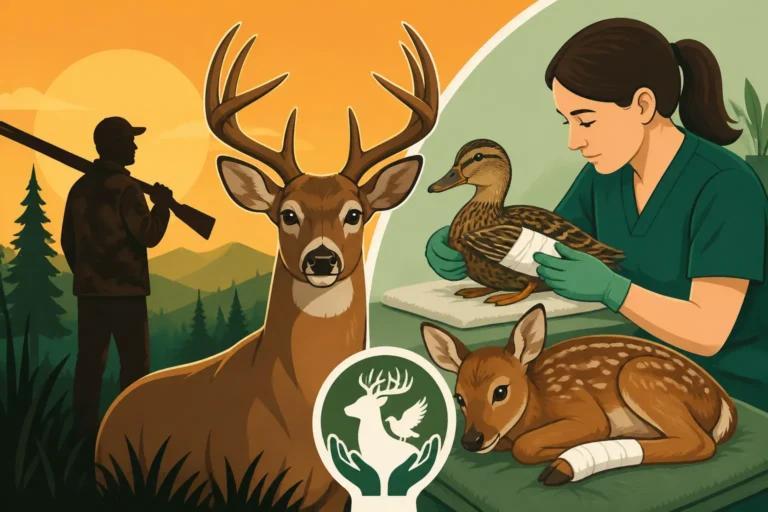
When an injured or sick animal is found and brought to a licensed New York Wildlife Rehabilitation for Injured Game facility, it provides another opportunity for disease monitoring. Veterinarians and wildlife professionals at these centers are often the first to identify unusual symptoms or diseases in individual animals. If an animal dies, or if a deceased animal is reported and deemed suitable for examination, a necropsy (an animal autopsy) may be performed.
Necropsies are invaluable diagnostic tools. By examining the organs and tissues, pathologists can determine the cause of death, identify specific pathogens, and assess the overall health of the animal. This information is crucial for understanding disease dynamics, identifying emerging threats, and providing definitive answers about wildlife mortality events. This detailed, hands-on investigation complements the broader surveillance efforts, offering deep insights into individual cases.
What Hunters Can Do to Help
As hunters, we have a unique connection to the land and its wildlife. This connection comes with a responsibility to be part of the solution when it comes to wildlife health. Your actions in the field and after a harvest can make a real difference.
Recognizing and Reporting Sick or Dead Animals
Being observant is your first line of defense. When you're scouting or hunting, pay attention not just to game sign, but also to the animals themselves. Are they acting normally? Do they look healthy?
Here are some signs of potentially sick animals to look for:
- Abnormal Behavior: Lethargy, disorientation, unusual aggression, lack of fear of humans, walking in circles, staggering.
- Physical Symptoms: Visible lesions, swellings (especially around the head or neck), emaciation, hair loss (Mange in New York Coyotes and Foxes is a classic example), discharge from eyes or nose.
- Unusual Mortality: Finding multiple dead animals in a small area, especially if there's no obvious cause like vehicle collision or hunting.
If you encounter an animal exhibiting these signs, do not approach it. For Reporting a Sick Animal in New York, contact the DEC directly. You can find contact information on their website or through the HuntFishNY app. Be prepared to provide the exact location (GPS coordinates from your phone or a tool like GoHunt are best), the species of animal, and a description of its behavior or condition. This information is critical for wildlife managers to investigate promptly.
Safe Handling and Processing of Harvested Game
When you harvest an animal, particularly a deer, practicing safe handling is crucial. While the risk of disease transmission to humans is low, taking precautions is always wise.
- Wear Gloves: Always wear latex or rubber gloves when field dressing game. This protects you from potential pathogens and keeps your hands clean.
- Minimize Contact: Try to avoid contact with the brain, spinal cord, spleen, and lymph nodes, especially if you're in an area where CWD is a concern.
- Proper Disposal: Dispose of carcass waste responsibly. In CWD containment areas, there are strict rules about how to handle remains. Elsewhere, burying gut piles or leaving them in the field away from high-traffic areas is generally acceptable, but always check local regulations. Never dump carcasses near roads or homes.
- Thorough Cooking: Cook all game meat thoroughly to an internal temperature of at least 160°F (71°C) to kill any potential bacteria or parasites.
- Consider Testing: If you harvest a deer in a CWD-affected area, or if you have any concerns about the health of your animal, consider participating in voluntary testing programs. New York CWD Testing for Hunters provides clear guidelines.
Reducing the Spread of Disease
Beyond reporting and safe handling, your everyday hunting practices can help reduce the risk of disease spread.
- Clean Your Gear: Before and after hunting, especially if you're moving between different areas, clean your boots, clothing, and equipment (including ATVs or vehicles) to prevent the spread of soil, plants, or pathogens.
- Respect Carcass Transport Rules: Understand and adhere to New York Carcass Transport Restrictions, particularly for deer harvested in CWD areas. This is a critical measure to prevent the geographical spread of diseases.
- Don't Move Bait or Attractants: In areas where baiting is prohibited, or if you're not using bait, avoid introducing any materials that might concentrate animals, as this can facilitate disease transmission.
- Support Research: When asked to participate in surveys, submit samples, or provide information about your harvest, remember that you're contributing to vital research. These efforts, along with information gathered from programs like New York Wildlife Disease Monitoring, help shape future conservation strategies.
- Educate Yourself: Stay informed by checking the DEC website for current advisories and regulations regarding wildlife diseases. The more knowledgeable we are as hunters, the better stewards we can be of New York's incredible wildlife resources.
| Disease Type | Common Signs in Wildlife | Hunter Impact / Risk | Reporting Action |
|---|---|---|---|
| Chronic Wasting Disease (CWD) | Emaciation, lethargy, drooling, abnormal behavior | Fatal to cervids, no human cases linked yet; carcass restrictions | Report sick/dead deer; participate in CWD testing if in designated area |
| Epizootic Hemorrhagic Disease (EHD) | High fever, swelling, seeking water, found dead near water | Localized deer die-offs; not transmissible to humans; meat is edible if healthy when harvested | Report multiple dead deer, especially near water |
| Avian Influenza (Bird Flu) | Lethargy, neurological signs, sudden death in birds | Low risk to hunters; can impact bird populations; proper handling | Report clusters of dead birds, especially waterfowl |
| Mange | Severe hair loss, skin lesions, itching, crusty skin | Affects mammal health; low human risk from mites (transient irritation) | Report animals with severe hair loss (coyotes, foxes) |
| Rabies | Abnormal behavior (aggression, disorientation, tameness) | High public health risk; immediately fatal without treatment | Do NOT approach; report immediately to DEC and local health authorities |
Disclaimer
This article is for general informational purposes only and does not constitute professional advice. Laws, prices and regulations vary by location and change over time. Consult a qualified professional for guidance on your specific situation.