Game You Cannot Hunt in New York
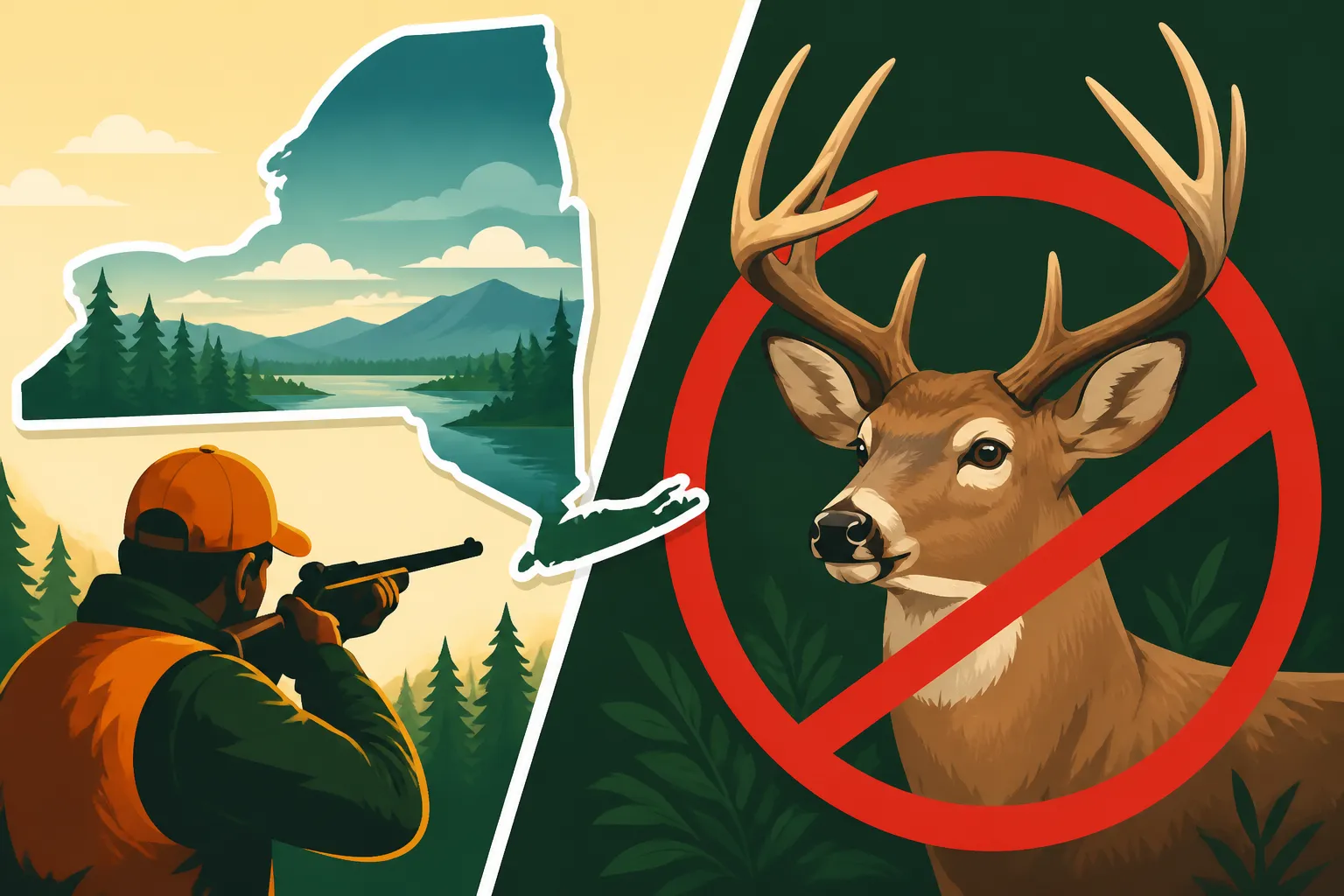
It’s easy to get caught up in the excitement of planning a hunt in New York, scouting new ground, and getting your gear ready. But amidst all that preparation, it’s absolutely critical to know not just what you can legally pursue, but also, perhaps even more importantly, what game you cannot hunt. Misidentification or a simple lack of awareness can lead to serious legal trouble, heavy fines, and a black mark on your hunting record. This guide is here to clear up the confusion, outlining the animals that are off-limits in the Empire State so you can hunt ethically and within the bounds of the law.
Understanding New York's Protected Species
When it comes to wildlife, not all animals are created equal in the eyes of the law. Some species are fiercely protected at the federal level, meaning no state can allow their harvest, while others are protected specifically by New York State regulations due to their conservation status. Knowing the difference, and knowing these species, is your first line of defense against an accidental violation.
Federally Protected Animals
The United States has several foundational laws designed to protect wildlife, and these laws supersede state regulations. If a species is federally protected, you simply cannot hunt it in New York, regardless of what state laws might seem to say. These protections often stem from historical overhunting, habitat loss, or their critical ecological roles.
For instance, the Migratory Bird Treaty Act (MBTA) is a monumental piece of legislation that protects virtually all native migratory birds in the U.S. This means that while we often think of ducks and geese as "migratory birds" that can be hunted during specific seasons, the vast majority of other migratory birds – songbirds, raptors like eagles and hawks, owls, woodpeckers, and many wading birds – are completely off-limits. Even picking up a feather from one of these birds can technically be a violation. It’s a good reminder that if you’re unsure about a bird, it’s almost certainly best to assume it’s protected. Bald eagles, for example, once on the brink of extinction, are now a symbol of successful conservation efforts, but they remain strictly protected. While you might see them soaring over your favorite Public Hunting Land in New York, they are not a target.
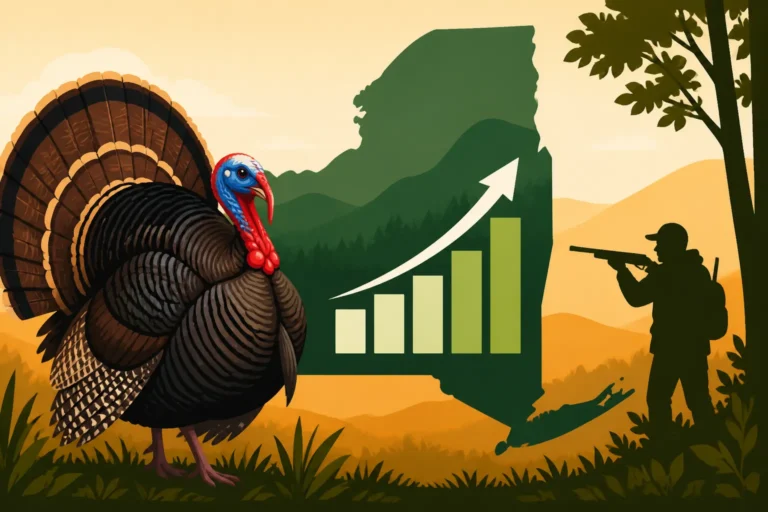
Similarly, the Endangered Species Act (ESA) protects animals and plants that are in danger of extinction. While New York has been incredibly successful in bringing back species like the wild turkey, other species remain critically endangered. The federal list includes species that might not immediately come to mind for a hunter, but whose presence demands careful awareness. This could include certain bat species facing diseases like white-nose syndrome, or specific insect species crucial to ecosystems. The penalties for violating these federal protections are severe, underscoring the importance of knowing your target and its legal status before you ever raise a weapon.
State-Protected and Endangered Species
Beyond federal protections, New York State maintains its own list of endangered, threatened, and species of special concern. These are animals whose populations are low or vulnerable within the state, even if they might be more common elsewhere. The New York Department of Environmental Conservation (DEC) carefully monitors these species and sets strict rules to ensure their recovery and continued survival.
For instance, New York is home to several rare reptile and amphibian species. The Eastern Massasauga rattlesnake, a venomous snake, is an endangered species in the state, found only in a very limited range. Spotting one is incredibly rare, but understanding that all native rattlesnakes (timber rattlesnakes are threatened in NY, and Massasaugas endangered) are protected is essential. Bog turtles, small and elusive, are another state-endangered species, and their boggy habitats are often near wetlands that hunters might frequent. Even seemingly benign creatures like certain salamanders or rare fish species in specific waterways can be protected under state law. These protections are in place because their populations are fragile, and any disturbance, let alone direct harm, could set back vital conservation efforts.
Hunters should also be aware of raptors and owls, which, while many are federally protected, are also explicitly protected by New York State laws. These magnificent birds play crucial roles in maintaining healthy ecosystems by controlling rodent and other small animal populations. Knowing which species are protected requires diligent study, and sometimes, even cross-referencing information. Resources from the New York DEC are paramount, but tools like GoHunt can also be invaluable for quickly accessing and understanding these complex regulations, helping you stay on the right side of the law by making sure you're not mistakenly targeting a protected animal. The New York Wildlife Violation Penalties for illegally taking a state-protected species can range from hefty fines to license revocation and even jail time, making awareness your best defense.
Animals Not Classified as Game Species in New York
Just because an animal isn't federally or state-listed as endangered or threatened doesn't automatically make it a game animal. New York, like most states, designates specific species as "game" that can be legally hunted during regulated seasons. Many other common wild animals simply aren't on that list. This means they cannot be recreationally hunted, even if their populations are robust.
Non-Game Mammals
There's a whole world of mammals out there in the New York woods and fields that, while fascinating and integral to the ecosystem, are not considered game animals. These are critters you might encounter frequently but are not legal targets for hunters.
Take the porcupine, for example. These quilled creatures are common in many forested areas, especially in the Adirondacks and Catskills, and they certainly get around. You might see them waddling along a logging road or even hear them gnawing on something in the night. However, they are not a game species in New York. The same goes for opossums and skunks. While these animals can be nuisances around homes or campgrounds, they are not to be hunted for sport or food under typical hunting regulations. Chipmunks and most squirrel species beyond the gray squirrel and fox squirrel are also not fair game for hunters. While some states have seasons for a wider variety of small mammals, New York’s regulations are quite specific about what’s allowed.
This also extends to many smaller, often unseen mammals like moles and shrews. While no hunter would intentionally target these, understanding that they, along with many other common mammals, fall outside the "game species" definition is important for a complete picture of New York's wildlife laws. If you're looking for New York Small Game and Upland Bird Seasons, remember that the list is finite and specified by the DEC. If a mammal isn't explicitly listed as game, it's safer to assume it's not.
Non-Game Birds Excluding Federally Protected
Beyond the federally protected migratory birds and raptors, there are many other bird species common to New York that are simply not classified as game birds. This often includes a wide array of species that fill ecological niches but don't traditionally fall under hunting regulations.
For example, many woodpecker species, from the large Pileated Woodpecker to the smaller Downy Woodpecker, are found throughout New York's woodlands. While they are fascinating to watch and listen to, they are not huntable. Similarly, various species of swallows, swifts, and many other insectivorous birds contribute to healthy ecosystems by controlling insect populations but are not game. Even large, common birds like gulls (outside of specific federal depredation permits for certain species in certain situations) are generally not considered game birds in New York.
The key here, as always, is positive identification. If you're out during New York Waterfowl Hunting by Zone season, you need to be absolutely certain you're targeting a legal duck or goose, not a cormorant or a protected shorebird. Hunter education emphasizes this identification for a reason. There’s no excuse for pulling the trigger on a bird you can’t identify, especially when the vast majority of bird species are not legal game.
Reptiles, Amphibians, and Fish Beyond Designated Game
While hunting traditionally focuses on mammals and birds, it's worth a quick mention that most reptiles, amphibians, and fish are also not "hunted" in the traditional sense, and many are explicitly protected. Fishing has its own set of detailed regulations, but these are distinct from hunting licenses and seasons.
As touched upon earlier, many snakes, frogs, salamanders, and turtles are protected by state law due to conservation concerns. For example, while snapping turtles can be harvested under specific fishing regulations during certain times of the year, most other turtle species, like the spotted turtle or wood turtle, are protected. Frog species vary in their status, with some having regulated harvest seasons (often tied to fishing licenses), while others are fully protected.
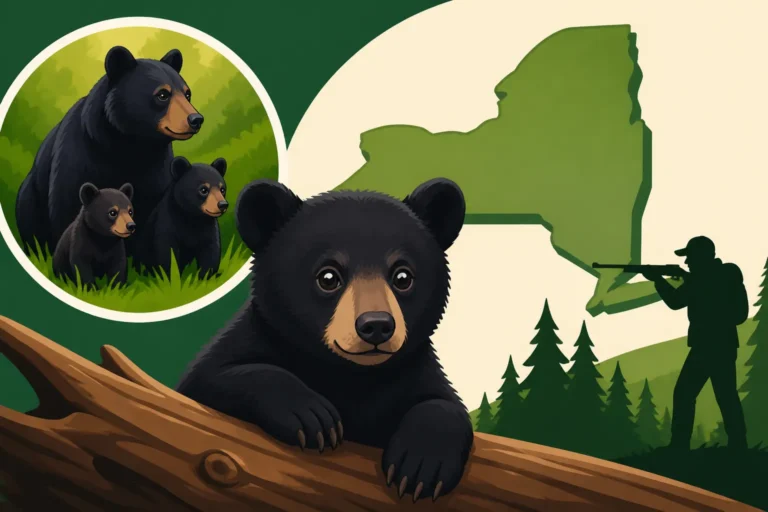
The general rule of thumb for hunters is this: if it crawls, slithers, or hops and isn't explicitly listed in the hunting regulations as a game species with a defined season and bag limit, you cannot hunt it. This also reinforces the idea that if you are specifically looking for a game animal, like a White-Tailed Deer Across New York or a New York's Black Bear Population, you should be focused on those species and nothing else.
Exemptions and Nuances: When Non-Game Becomes an Issue
The world of wildlife management isn't always black and white. There are specific circumstances where interactions with non-game or protected species require careful handling, and these situations are strictly regulated. It’s crucial to understand these nuances to avoid inadvertently breaking the law.
Nuisance Wildlife and Damage Control
Sometimes, animals that are otherwise protected or not considered game can become a significant problem. A family of raccoons might decide your attic is the perfect winter retreat, or a flock of wild turkeys (which are game animals, but can become a nuisance) might devastate a farmer's crop. In these scenarios, the New York DEC has provisions for "nuisance wildlife" or "damage control."
However, this is not a carte blanche for individuals to take matters into their own hands. If an animal is causing damage to property, endangering pets, or posing a health risk, a specific permit may be required to deal with it. For most homeowners, this usually means contacting a licensed Nuisance Wildlife Control Operator (NWCO) who is trained and permitted to handle these situations legally and humanely. For agricultural damage, farmers can apply for special permits like New York Nuisance Deer Damage Permits.
The key takeaway is that you cannot simply decide to "hunt" a non-game animal because it's causing a problem. This is a common frustration for property owners, but the law is clear. Always consult the New York DEC or a qualified professional before attempting to remove or dispatch any wildlife, especially if it's not a designated game animal. Trying to deal with a perceived nuisance animal yourself, particularly if it's protected, could lead to serious legal repercussions. Even for species that are game, like deer, specific permits for damage control operate outside of regular hunting seasons and rules.
Accidental Takes and Misidentification
Despite our best efforts and the most rigorous New York Hunter Education Requirements, accidents can happen. A moment of poor judgment, low light conditions, or an animal moving unexpectedly can lead to an accidental take of a non-game or protected species. While this is certainly an unfortunate event, how you handle it afterward is paramount.
Misidentification is perhaps the most common reason for accidental takes. For example, in thick cover, mistaking a large domestic bird for a wild turkey, or misidentifying a protected raptor for a legal game bird. Even experienced hunters can make mistakes, but being truly familiar with your quarry's appearance, behavior, and habitat is your best defense. This is where spending time researching through resources like GoHunt or the DEC’s official species guides becomes incredibly valuable, not just for finding game, but for avoiding protected animals. Understanding the differences between a Canada goose and a protected brant, or a wild turkey and a domestic bird, can save you a lot of grief.
If you do accidentally take a non-game or protected animal, the absolute first step is to report it immediately to the New York Environmental Conservation Police Officer (ECO) or the DEC. Do not attempt to conceal it or dispose of the animal. Honesty and prompt reporting are crucial and can significantly influence the outcome of the situation. While there might still be penalties, a proactive report is always better than being caught trying to hide a violation. It underscores the ethical responsibility every hunter carries to respect wildlife and the law, even in unforeseen circumstances.
Looking to the Future: Changes in Game Species Status
Wildlife populations are not static; they fluctuate based on habitat, disease, climate, and human interaction. What is not huntable today could potentially become a game species in the future, and conversely, species currently hunted could become restricted or protected. Staying informed is a continuous responsibility for every ethical hunter.
Potential Future Game Species
The idea of new game species being added to New York's hunting roster is an exciting prospect for many, but it's a decision rooted in science and careful management. For a species to be considered for game status, its population must be healthy, sustainable, and capable of withstanding regulated harvest without jeopardizing its long-term viability.
A prime example that often comes up in discussions is the moose. New York has a small but growing moose population, primarily in the Adirondacks. While currently not a game animal and strictly protected, if their numbers continue to increase and expand their range, there could theoretically be a future where a highly regulated, limited moose hunt might be considered. This process would involve extensive population surveys, public input, and careful ecological assessments by the DEC. Similarly, while not currently hunted, if New York's Emerging Moose Population continues to grow, it might be a consideration for the future, but it's a long and data-driven process.
The addition of new game species is a slow and deliberate process, ensuring that conservation remains the top priority. Hunters interested in these possibilities should follow DEC reports and participate in public comment periods when they arise, as our collective input helps shape future wildlife management decisions.
Species That May Become More Restricted
On the flip side, ongoing ecological changes and challenges can lead to existing game species becoming more restricted or even, in unfortunate circumstances, moving onto protected lists. Factors like habitat degradation, disease outbreaks, or sustained population declines can all trigger a reevaluation of hunting regulations.
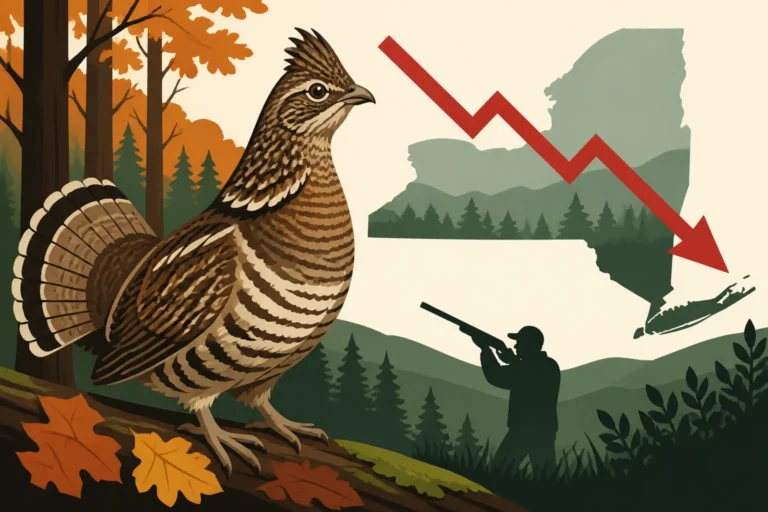
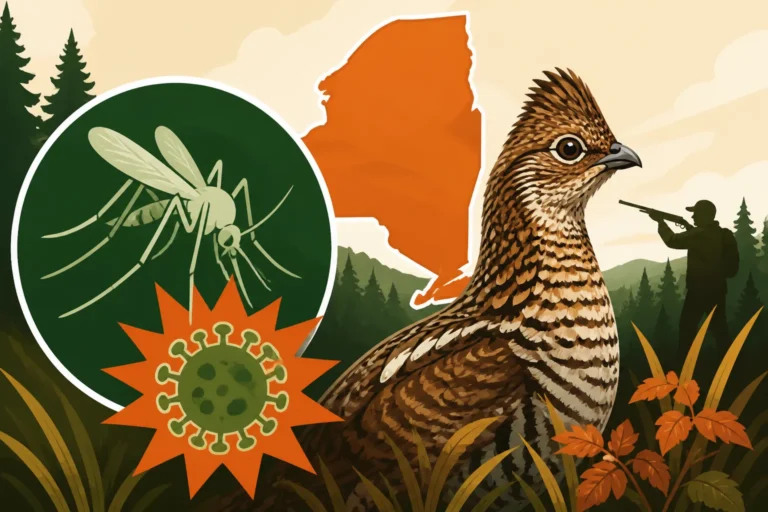
Consider the ruffed grouse. Once a more common sight, New York Ruffed Grouse Decline has been a concern for wildlife managers and upland bird hunters for years. While still a game bird, their seasons and bag limits are carefully monitored and adjusted to ensure the species' long-term health. If declines were to continue unchecked, further restrictions, or even temporary closures, could become necessary. Similarly, outbreaks of diseases like Chronic Wasting Disease (CWD), while not currently widespread in New York's wild deer herd, could lead to tighter regulations or even localized hunting restrictions if it were to become established. New York's Chronic Wasting Disease Containment Area in Herkimer County shows how quickly regulations can change to protect a core game species.
The dynamic nature of wildlife populations means that what's legal and sustainable today might not be tomorrow. This is why staying current with DEC regulations, attending public meetings, and supporting habitat conservation efforts are so vital for all hunters. Regular checks of the DEC website, or using updated apps like GoHunt, which can often pull in the latest regulatory changes, are excellent ways to ensure you're always operating with the most current information. This active engagement helps ensure healthy populations for all species, both game and non-game, for generations to come.
Here's a quick overview of some categories of animals you absolutely cannot hunt in New York:
| Category | Examples (Not Huntable in NY) | Reason for Protection/Non-Game Status |
|---|---|---|
| Federally Protected Birds | Bald Eagle, Osprey, Most Songbirds, Owls | Endangered Species Act, Migratory Bird Treaty Act |
| State Protected Animals | Eastern Massasauga Rattlesnake, Bog Turtle, Timber Rattlesnake | New York Endangered/Threatened Species List |
| Non-Game Mammals | Porcupine, Opossum, Skunk, Most Squirrels (except gray/fox) | Not designated as game species by NYDEC |
| Other Non-Game Birds | Woodpeckers, Swallows, Gulls (most species) | Not designated as game species by NYDEC (many also federally protected) |
| Amphibians/Reptiles | Most frogs, salamanders, snakes, turtles (except snapping turtle under fishing rules) | Not designated as game species; many protected by state |
Disclaimer
This article is for general informational purposes only and does not constitute professional advice. Laws, prices and regulations vary by location and change over time. Consult a qualified professional for guidance on your specific situation.