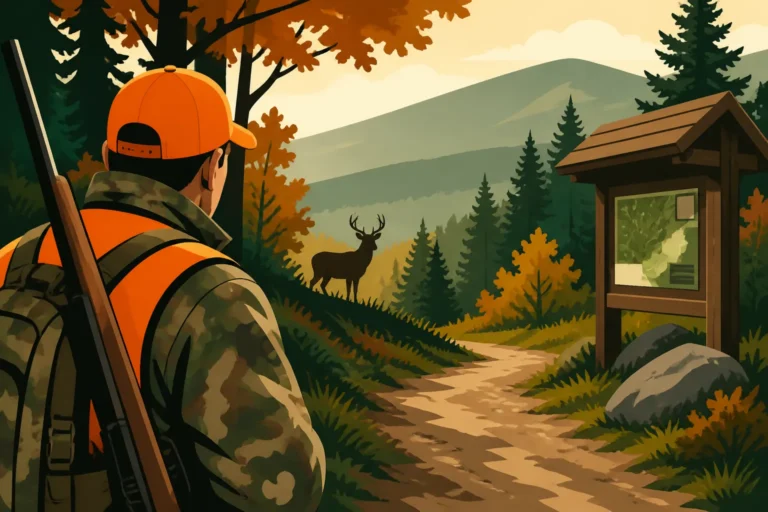
Ulster County Catskill Public Ground
Finding good hunting ground in New York can sometimes feel like solving a complex puzzle, especially when you're looking at regions known for their beauty and rugged terrain like the Catskills. Many hunters eye Ulster County with its vast stretches of public land, but figuring out where to go, what to expect, and how to effectively hunt these areas can be a real challenge. This guide is here to walk you through the ins and outs of public hunting in Ulster County, helping you decode the landscape and plan your next adventure.
The Lure of Ulster County for Hunters
Ulster County, nestled within the Catskill Mountains, truly is a gem for public land hunters. It offers a significant amount of accessible acreage, much of it falling under the "Forever Wild" protections, alongside State Forests and Wildlife Management Areas. This diversity of public ground presents a wide array of hunting opportunities, from chasing whitetails and black bears to calling in spring gobblers. The sheer wildness of the landscape is what draws so many, promising a true backcountry experience that feels a world away from the bustling cities.
Understanding the Catskill Forest Preserve in Ulster
A huge chunk of Ulster County's public hunting land falls within The Catskill Forest Preserve. This isn't just any public land; it's protected by the state's "Forever Wild" clause, meaning it's maintained in its natural state, largely untouched by logging or development. For hunters, this translates to vast, unbroken tracts of mature timber, often featuring incredibly steep slopes, deep ravines, and rocky outcrops. It's beautiful, but it's also incredibly demanding. You won't find manicured trails or food plots here. Instead, you'll be navigating by topo map and compass (or a reliable GPS unit), relying on your scouting and woodsmanship to find game.
Hunting in the Forest Preserve often means a significant hike just to get away from the road noise and other potential hunters. It's a place where a half-mile walk feels like a mile and a half due to the elevation changes and thick cover. The rewards, however, can be substantial, with mature deer and bear often calling these remote, difficult-to-access areas home. Understanding the ethos of "Forever Wild" is key to appreciating and preparing for the unique challenges and opportunities this land presents. You're entering a truly wild ecosystem, and your approach needs to reflect that respect for nature's untamed character.
Types of Public Land Beyond the Preserve
While the Catskill Forest Preserve is the star, Ulster County also boasts other valuable public hunting opportunities that are often more accessible and can present different hunting scenarios. These include New York State Forests and, in some cases, portions of Wildlife Management Areas (WMAs). State Forests, while still wild, sometimes have a history of timber management, which can lead to a more varied habitat, including younger cuts and successional growth that are prime deer and grouse habitat. You might find old logging roads or trails that make access a bit easier, though they can also concentrate hunter traffic.
Wildlife Management Areas, if present in the county, are specifically managed for wildlife habitat and public recreation. These often feature a mix of forests, fields, and wetlands, with management practices aimed at enhancing game populations. For example, some WMAs might have designated parking areas, clearer boundary markings, and even some habitat improvement projects that concentrate game. Each type of public land has its own characteristics, and successful hunting in Ulster County often means knowing which type of land you're on and adjusting your tactics accordingly. Checking the New York DEC website or using digital mapping tools can help you differentiate these areas and understand the specific regulations that might apply to each.
Navigating Access and Terrain in Ulster's Public Lands
The Catskill Mountains, with their dramatic elevation changes and dense forests, present a unique set of challenges for hunters. Unlike the flatter, more open terrain of the Southern Tier, Ulster County demands physical endurance and careful navigation. The very features that make it beautiful and wild also make it tough to hunt, but with the right preparation and tools, you can unlock its potential.
Using Digital Tools to Find Access
In today's hunting world, digital mapping tools are absolutely indispensable, especially when tackling rugged public land like that found in Ulster County. Apps like onX Hunt and GoHunt are game-changers, allowing you to instantly identify public and private land boundaries, pinpoint property lines, and locate potential access points. This is critical in areas where public and private parcels can be a checkerboard. With these apps, you can layer topographical maps, satellite imagery, and even government land designations, giving you an overhead view of the terrain before you even set foot in the woods. You can mark potential bedding areas, food sources, and travel corridors, all from your couch.
Beyond simply showing you where the public land is, these tools help you plan your entry and exit routes, identify steep ravines to avoid, and locate benches or saddles that might serve as deer travel routes. I can't tell you how many times I've used onX Hunt to scout out a potential stand location based on topo lines alone, only to find fresh sign confirming my theory when I finally get boots on the ground. Remember, even with the best digital tools, always carry a physical map and compass as a backup, especially when heading deep into the Catskill Preserve where cell service can be non-existent. Scouting With the New York HuntFishNY App is another great resource to complement these tools.
Tackling the Rugged Catskill Terrain
When you envision hunting in Ulster County's public ground, picture this: steep, rocky ascents that test your lung capacity, dense laurel thickets that grab at your clothes, and deep, dark ravines that seem to swallow sound. This isn't a walk in the park; it's a serious physical undertaking. The terrain dictates everything from your choice of boots to your pack load and even your hunting strategy. Carrying a lighter pack, wearing comfortable yet supportive hiking boots, and ensuring you're in decent physical shape are non-negotiables.
The elevation changes mean that thermals play a massive role, especially in the mornings and evenings. Understanding how air currents move up and down hillsides can be the difference between busting deer and getting a shot opportunity. Wind and Thermals on a Catskill Ridge offers excellent insights into this. Furthermore, steep slopes often create natural funnels and benches that deer use for easier travel. Learning to identify these features on a topo map and then confirming them on the ground is key to finding consistent deer movement. Don't be afraid to put in the miles; the most difficult-to-reach spots are often where the mature animals feel safest, away from human disturbance. Getting into these remote areas is tough, but it's often the only way to find truly unpressured game.
Species to Pursue and Tactics for Ulster County
Ulster County's diverse habitats, from high-elevation hardwood ridges to dense hemlock stands, provide excellent opportunities for a variety of game species. While deer are often the primary focus, the region also boasts healthy populations of black bear and wild turkey, making it a truly rewarding place to hunt. Understanding the habits of these animals in this specific mountainous environment is crucial for success.
Deer Hunting in Ulster County's Mountains
Hunting white-tailed deer in Ulster County's Catskill public ground is a unique challenge that rewards persistence and an understanding of mountain deer behavior. Unlike their farmland cousins, these deer often live in extremely steep, thick cover, and their movements are heavily influenced by elevation, prevailing winds, and hidden sanctuaries. Look for subtle terrain features like benches (flat spots on steep hillsides), saddles (low spots between two peaks), and natural funnels created by rock outcroppings or changes in timber type. These are prime travel corridors. Reading a Ridge for Catskill Deer Movement can help you understand how deer navigate this complex topography.
Food sources can be scattered, consisting largely of mast crops like acorns and beech nuts, or browse in areas of regenerating timber. Identifying these ephemeral food sources during scouting is paramount. Deer in these environments tend to bed high on ridges to take advantage of prevailing winds and thermals, allowing them to detect danger approaching from below. Your entry and exit routes must be meticulously planned to avoid alerting game. Consider still-hunting slowly through promising areas, or setting up treestands or ground blinds along known travel routes or near fresh sign. For ideas on where to hang your stand, consider principles found in Treestand Setups in Adirondack Hardwoods, as many apply to similar mountainous terrain. When hunting these steep lands, planning your Entry Routes on Steep Catskill Ground is often the most critical aspect of your hunt.
Bear and Turkey Opportunities
Beyond deer, Ulster County offers fantastic opportunities for black bear and wild turkey. The Catskill Mountains are prime bear country, with a healthy and growing population. Bear hunting here is all about finding natural food sources like mast crops in the fall, or scouting out remote, thick bedding areas where bears feel secure. Since baiting is illegal in New York, understanding bear movement patterns and identifying key feeding zones is even more crucial. Early season archery can be particularly effective when bears are still actively feeding on berries and acorns before denning up. For a more in-depth look at bear hunting, check out New York Bear Season by Zone. Be prepared for potential Bear Encounters Around Catskill Cabins if you are hunting near developed areas, though deep in the preserve this is less of a concern.
Wild turkeys are also abundant throughout Ulster County. In the spring, gobblers can be found on high ridges, often roosting in mature hardwoods overlooking valleys. Locating roosts during scouting and then setting up before dawn to call a tom off the limb can be exhilarating. Fall turkey hunting offers a different challenge, focusing on breaking up flocks and calling birds back in. The varied terrain and abundant cover provide excellent habitat for turkeys, but their keen eyesight and hearing make them a formidable quarry. Ensure you're familiar with New York Spring Turkey Season Rules before heading afield.
Essential Considerations for Hunting Ulster County Public Ground
Hunting public land in Ulster County, particularly the vast stretches of the Catskill Forest Preserve, requires more than just knowing where to go. It demands a realistic understanding of hunter density, a commitment to safety, and a thorough knowledge of New York's specific regulations. Being prepared for these aspects will greatly enhance your hunting experience and keep you safe.
Hunter Pressure and Finding Solitude
Let's be real: public land, especially accessible public land, will see hunter pressure. Ulster County is relatively close to major population centers, meaning that popular trailheads and easily accessed areas can be quite busy, particularly on opening day or during peak rut weekends. This doesn't mean you can't find solitude or unpressured game, but it does mean you need a strategy. The key to finding ground others walk past lies in being willing to work harder and go farther. Look for areas that require a significant hike, especially those with considerable elevation gain. Most hunters won't venture more than a mile or two from the road, so pushing beyond that often puts you in less-pressured territory.
Using those digital mapping tools we talked about earlier to identify areas with difficult access – steep slopes, dense thickets, or areas without obvious parking – can point you toward overlooked pockets. Don't be afraid to bushwhack; sometimes, the best hunting is found simply by veering off the beaten path. Also, consider hunting during weekdays if your schedule allows, as this drastically reduces the number of people you'll encounter. While a Deer Drives With Three or Four Hunters might be possible in some areas, the vastness of the preserve often makes small, quiet still-hunting more effective. Remember, patience and persistence are your greatest allies when seeking solitude on heavily hunted public lands.
Rules, Regulations, and Safety
Hunting in New York, and especially on its public lands, comes with a set of specific rules and regulations designed to ensure safety and fair chase. Before you even head out, make sure your New York hunting license and any required permits are up to date. You’ll need to understand the statewide rules for hunting deer, bear, and turkey, including legal shooting hours, bag limits, and reporting requirements. For example, specific antler restrictions might apply in certain Wildlife Management Units within Ulster County, so always verify the current regulations for your hunting area. You can find general information on Public Hunting Land in New York.
Safety is paramount, especially in rugged terrain. Always wear blaze orange during firearms seasons, even if you’re archery hunting during that period, for visibility to other hunters. Carry a first-aid kit, a reliable means of communication (even if it's just a whistle or satellite messenger if cell service is spotty), and enough water and food for your planned outing. Inform someone of your hunting plans, including where you'll be and when you expect to return. The Catskills can be unforgiving, with sudden weather changes, steep cliffs, and thick cover that can disorient you. Staying aware of your surroundings and prioritizing safety should always be your number one concern.
| Public Land Type | Typical Terrain | Accessibility & Hunter Pressure | Primary Game Species & Tactics |
|---|---|---|---|
| Catskill Forest Preserve | Steep, rocky mountains, mature hardwoods, dense cover | Difficult access, lower pressure deeper in | Deer (still-hunting, remote stand setups), Bear (natural food sources) |
| New York State Forests | Varied, includes younger growth, some logging roads | Moderate access, moderate pressure near roads | Deer (browsing areas), Turkey (open woods), some Grouse |
| Wildlife Management Areas (WMAs) | Mixed habitats (fields, wetlands, forests) | Generally easier access, potentially higher pressure | Deer (edge habitat), Waterfowl (if wetlands), Small Game |
Disclaimer
This article is for general informational purposes only and does not constitute professional advice. Laws, prices and regulations vary by location and change over time. Consult a qualified professional for guidance on your specific situation.