Wool Versus Synthetics in Wet Snow
There’s nothing quite like a New York hunting season, but if you’ve spent any time chasing whitetails or turkeys in the Empire State, you know how quickly the weather can turn from crisp autumn air to a miserable, bone-chilling mix of rain and wet snow. That feeling of being cold, wet, and utterly exposed can ruin a hunt faster than anything, leaving you heading back to the truck rather than sticking it out for that opportunity. This guide is all about diving deep into the age-old debate of wool versus synthetics, specifically focusing on how each performs when New York's unpredictable weather decides to dump wet snow on your hunting grounds, so you can stay comfortable and effective, no matter what Mother Nature throws your way.
Understanding New York's Wet Snow Challenge
Let's be honest, hunting in New York is rarely about picture-perfect, clear skies and crisp, dry air for weeks on end. We get it all, sometimes in the same day. One minute you're enjoying a relatively mild fall morning, and the next, a heavy, wet snow is falling, clinging to branches and soaking through anything that isn't waterproof. This isn't the dry, fluffy powder of the Rockies; this is the heavy, moisture-laden stuff that seeps into every seam and chills you to the core.
The Unpredictability of Empire State Weather
If you’ve hunted our state for any length of time, you know the forecast can be more of a suggestion than a guarantee. You might start your morning hunt in the Southern Tier with a light frost, only to have a squall roll in off Lake Erie by lunchtime, coating everything in heavy, wet snow. Up in the Adirondacks, especially as you gain elevation, those transitions can be even more dramatic. One minute you're still-hunting through a patch of hardwoods with just a drizzle, and suddenly you're breaking trail through ankle-deep slush. It’s this constant, sometimes abrupt, shift from cold rain to heavy, wet snow that makes gear selection so critical. You need clothing that can handle the transition gracefully, not just perform well in one extreme or the other. This unpredictability means your layering system has to be versatile enough to shed moisture and retain heat, regardless of what the clouds decide to do next.
Why Getting Wet is More Than Just Uncomfortable
Being cold and wet while hunting isn't just about feeling a bit miserable; it can genuinely impact your safety, your performance, and ultimately, your chances of success. Hypothermia is a real concern when your core temperature drops, especially on a late-season hunt in a remote state forest block where help might be hours away. Even if you're not in immediate danger, getting wet makes you shiver, reduces your dexterity, and drains your energy. Try nocking an arrow or quietly raising your rifle with numb fingers and shaking hands – it's a recipe for a missed shot or worse, an ethical miss.
Beyond the physical discomfort, wet clothing can also compromise your scent control. Moisture often makes fabric more porous, allowing your human odor to escape more freely and stick to the surrounding environment. That deer you've been watching, carefully anticipating its movement across a clear-cut near the Finger Lakes National Forest Deer Ground, could easily pick up on your elevated scent profile if your layers are saturated. Staying dry is paramount, not just for your well-being, but for maintaining that crucial stealth factor that defines a successful hunt. It’s about being able to focus on the hunt, not on how cold and soaked you feel.
The Enduring Power of Wool for Hunters
Wool has been the hunter's companion for centuries, and for good reason. Before synthetic fibers were even a dream, wool was keeping trappers, explorers, and hunters warm in some of the most unforgiving environments on earth. It's a natural fiber, grown by sheep, and its structure gives it some truly unique advantages, especially when contending with New York's wet snow.
Nature's Insulator: How Wool Works, Even When Wet
The magic of wool, especially for us New York hunters, lies in its ability to insulate even when it's damp or outright wet. Each wool fiber is naturally crimped and scaled, creating tiny air pockets that trap warmth. More importantly, wool is "hydrophilic," meaning it absorbs moisture into its core structure, away from your skin, while the surface of the fiber remains relatively dry. This process generates a small amount of heat, which is why wool is often described as feeling warm even when damp. So, when that wet snow is melting on your outer layers, wool base layers and mid-layers are still working to keep your body heat locked in.
There's a distinction, though, between traditional wool and newer merino wool. Traditional wool, often found in heavier, coarser garments, is incredibly durable and warm, perfect for outer layers or sitting still in bitter cold. Think those old-school wool coats and blankets. Merino wool, on the other hand, comes from a specific breed of sheep and features much finer fibers. This makes merino incredibly soft, less itchy, and more comfortable against the skin, making it an ideal choice for base layers. Both, however, share that critical ability to retain warmth when wet, a huge advantage when that heavy, wet snow is falling relentlessly during a late-season sit. Wool for Wet Snow and Quiet Movement touches on these advantages in more detail.
Scent Control and Durability
Another massive benefit of wool, particularly merino, is its natural resistance to odor. Unlike synthetics, which can quickly harbor bacteria and smell ripe after a single strenuous hunt, wool fibers have complex structures that inhibit bacterial growth. This means you can wear wool base layers for multiple days in the field, moving through dense Adirondack timber or still-hunting Catskill ridges, without broadcasting your presence via body odor. For multi-day hunts or even just consecutive morning and evening sits, this is an undeniable advantage. You're not just staying warm; you're staying stealthy.
In terms of durability, wool is surprisingly robust. While a snag might rip a thin merino base layer, heavier wool garments are incredibly tough and can withstand years of abuse in the field. They might pill over time, but their structural integrity often remains strong. Proper care, like washing on a gentle cycle and air drying, can significantly extend the life of your wool gear, making it a long-term investment for your hunting adventures. This means you can rely on your favorite wool jacket season after season, rather than constantly replacing it.
Drawbacks: Cost, Drying Time, and Bulk
While wool offers fantastic advantages, it's not without its downsides. The most immediate one for many hunters is the cost. High-quality merino wool, especially, can be significantly more expensive than comparable synthetic layers. This initial investment can be a barrier, though many argue the longevity and performance make it worthwhile in the long run.
Another factor is drying time. While wool continues to insulate when wet, it does absorb a fair amount of moisture. Once fully saturated, it takes a considerably longer time to dry out compared to most synthetics. If you get completely soaked during a sudden downpour and need your gear dry for an evening hunt or the next morning, wool might still be damp. This can be problematic if you don't have a reliable way to dry your clothing at camp.
Finally, traditional, heavier wool can be quite bulky and heavy, especially when you're thinking about layering for a pack-in hunt or needing to shed layers quickly. While merino wool is much lighter, a full layering system of heavy wool can weigh down your pack. This is less of an issue for short sits from a heated blind, but for those long walks into remote public lands or when considering Packs for a Day on Public Land, every ounce and every bit of compressible space matters.
The Modern Edge of Synthetic Layers
Synthetics have revolutionized outdoor clothing in the last few decades, offering performance characteristics that natural fibers simply couldn't match at the time. Developed in laboratories, these materials are engineered to solve specific problems, making them incredibly popular with hunters who demand lightweight, fast-drying, and efficient gear.
Lightweight and Fast-Drying
The primary advantage of synthetic fabrics like polyester and polypropylene is their incredible ability to dry quickly. Unlike wool, synthetics are generally "hydrophobic," meaning they resist absorbing water into their fibers. Instead, moisture tends to cling to the surface or get wicked away through capillary action. This makes them ideal for high-exertion activities where you're sweating a lot, as they pull moisture away from your skin and allow it to evaporate rapidly. When you’re hiking up a steep incline in the Catskills or putting on a quick deer drive on public land, you're going to sweat, and synthetics help manage that moisture effectively.
This fast-drying property is also a huge plus when New York's weather is relentlessly wet. If your synthetic outer layer gets soaked by sleet or melting snow, it will dry out much faster than a wool garment once the precipitation stops or you step inside. For hunters who frequently encounter changing conditions and need their gear ready for the next move, or who might be Using a Ground Blind on New York Public Land in a marshy area, this speed can be a game-changer. It means less time shivering and more time comfortably focused on the hunt.
Moisture-Wicking Technology
Modern synthetics are often engineered with advanced moisture-wicking technologies. These fabrics are designed with microscopic channels or specific fiber structures that actively draw sweat away from your skin and transport it to the outer surface of the fabric. This process facilitates evaporation, keeping you drier and preventing that clammy, cold feeling that comes from sweat sitting against your skin. For a strenuous hike through deep snow or navigating dense brush, managing sweat is just as important as keeping external moisture out.
Brands are constantly innovating in this space, creating materials that are not only efficient at wicking but also feel comfortable against the skin. Many base layers are designed with specific weaves to maximize surface area for evaporation, ensuring that even during periods of high activity, your skin stays as dry as possible. This directly contributes to your overall warmth, as dry skin loses heat far less rapidly than wet skin. This is especially vital when you consider intense activities like Deer Drives With Three or Four Hunters where exertion levels can fluctuate wildly.
Specific Synthetic Types and Their Uses
The world of synthetics is vast, with different materials suited for different purposes.
- Polyester is perhaps the most common, known for its durability, wrinkle resistance, and good moisture-wicking properties. It's often found in base layers, fleece mid-layers, and even some outer shells.
- Polypropylene is another excellent wicking material, particularly effective in base layers due to its light weight and ability to retain warmth even when wet (though not quite like wool). It also dries incredibly fast.
- Fleece, typically made from polyester, is a fantastic mid-layer insulator. It's lightweight, soft, and traps a lot of air for warmth. Its open weave, however, means it's not windproof and won't keep you dry on its own.
These various synthetic fabrics allow for highly specialized layering systems. You might use a thin polypropylene base layer for its wicking capabilities, a thick polyester fleece as a mid-layer for insulation, and a durable polyester blend for your waterproof outer shell. This allows hunters to build a flexible system perfectly tailored to the activity level and expected conditions, from Hunting the Rut in the Southern Zone to a late-season Hunting Deer in Deep Tug Hill Snow.
Drawbacks: Scent Retention, Melting Risk, and Environmental Concerns
Despite their many benefits, synthetics do have some significant drawbacks for hunters. The most notorious is their tendency to retain body odor. Because they don't have wool's natural antimicrobial properties, bacteria that cause odor can thrive on synthetic fibers, especially after intense sweating. Many synthetic garments now come treated with antimicrobial finishes (often silver-based) to combat this, but these treatments can wear off over time. You might find yourself smelling a bit "gamey" after just one long day in the field, which is a definite disadvantage when trying to remain undetected.
Another practical concern is their susceptibility to heat. Most synthetic fabrics are essentially plastics, and they can melt or be damaged by direct heat sources like campfires or even a stray spark from a wood stove. A hole burned into your expensive hunting jacket by a campfire ember is a frustrating experience many hunters have faced. This means exercising extra caution around open flames, especially when processing game or simply trying to warm up at a remote camp.
Finally, there are growing environmental concerns associated with synthetic fibers. They are made from petroleum products, and microplastics from synthetic clothing can enter waterways during washing. While research and development are ongoing to address these issues, it's a consideration for those who prioritize sustainability in their gear choices.
Comparing Wool and Synthetics Head-to-Head
When New York weather throws wet snow your way, the choice between wool and synthetics isn't always clear-cut. Both have their strengths and weaknesses, and the "best" option often depends on your specific hunting style, the conditions you expect, and your personal preferences. Let's break down some key comparison points to help you decide.
Warmth-to-Weight Ratio
This is a critical factor, especially for hunters who cover a lot of ground or venture into the backcountry where every ounce in your pack matters. Historically, synthetics have often had an edge here, providing comparable warmth to wool at a lighter weight. Think about a lightweight synthetic puffer jacket versus a thick wool sweater. However, modern merino wool has significantly closed this gap, offering impressive warmth for its weight, especially in base layers.
When considering warmth when wet, wool generally pulls ahead. Its inherent ability to insulate even when damp gives it a distinct advantage over most synthetics in truly saturated conditions. While synthetics dry faster, they often lose more of their insulating properties when soaking wet. So, for those long, cold, wet sits where you might get thoroughly soaked by melting snow, wool can keep you feeling warmer for longer. If your hunt involves constant movement and rapid changes between sweating and cooling, a synthetic that wicks and dries quickly might keep you more consistently comfortable, as it prevents prolonged dampness against your skin.
Moisture Management in Different Scenarios
This is where the nuances really come into play.
- High-exertion, active hunting: If you're busting through thick brush on a deer drive or hiking deep into the Adirondacks to a Treestand Setups in Adirondack Hardwoods, you're going to sweat. In these scenarios, synthetics excel at wicking moisture away from your body quickly and drying fast. This prevents you from getting chilled when you stop moving and your body cools down. For instance, a quality synthetic base layer will move that sweat outwards, keeping your skin dry.
- Low-exertion, stand sitting: For long hours in a treestand during New York's Southern Zone Firearm Season, especially in cold, wet snow, wool's ability to retain warmth even when damp is a huge advantage. You're not generating a lot of body heat through activity, so maintaining what you have is crucial. If an outer layer fails and your mid-layer gets damp from melting snow, wool will continue to insulate, whereas a synthetic might start to feel cold.
- Changing conditions: New York is notorious for this. One minute it's cold rain, the next it's heavy wet snow, then perhaps it clears up. A hybrid approach, using synthetic base layers for their wicking and fast-drying properties and wool mid-layers for their wet-insulating capabilities, can be a winning combination. Many experienced hunters find this blend offers the best of both worlds, providing robust moisture management across a range of activities and weather shifts. Layering for a New York Deer Stand offers more tips on combining materials.
| Feature | Wool (Merino) | Synthetics (Polyester/Polypropylene) |
|---|---|---|
| Warmth When Wet | Excellent – retains significant insulation | Good – some insulation, but less effective when saturated |
| Drying Time | Moderate to Slow | Fast |
| Scent Control | Excellent – naturally antimicrobial | Poor – prone to odor, often requires treatments |
| Comfort Against Skin | Excellent – especially fine merino | Good – generally soft, but can feel clammy when wet |
| Durability | Good – can be delicate in thin base layers, tough in thicker forms | Good – often very durable, resistant to abrasion |
| Weight | Moderate – becoming lighter with modern weaves | Light – often has a slight edge in warmth-to-weight ratio |
| Cost | Higher initial investment | Generally lower initial cost |
| Fire Resistance | Good – natural flame retardant | Poor – melts when exposed to high heat |
Cost and Longevity Investment
The price tag on hunting gear can be a tough pill to swallow, and both wool and synthetics can range from budget-friendly to premium. However, generally speaking, high-quality merino wool often comes with a higher upfront cost than equivalent synthetic layers. This isn't just about the raw material; it's also about the specialized manufacturing processes.
When considering longevity, it's a bit of a mixed bag. Wool, particularly heavy-duty versions, can last for decades with proper care. Merino base layers, being finer, can be more susceptible to holes or wear and tear than some durable synthetics. However, synthetics often have a lifespan dictated by the wearing off of their special treatments (like DWR or antimicrobial finishes) or the degradation of elastic components. A well-cared-for wool garment can often outlast multiple synthetic pieces, making it a better long-term investment for many hunters. When budgeting for your gear, it's worth considering the cost per season, not just the initial purchase price. For example, some hunters swear by high-end brands like Kuiu or Sitka (which often blend both), while others find great value in more accessible options. When you’re doing your research, a platform like GoHunt can be invaluable for comparing different brands and materials side-by-side, helping you make an informed decision based on reviews and detailed product specifications.
Building a Layering System for New York's Backcountry
The secret to staying warm and dry in New York's ever-changing, often wet, and snowy conditions isn't about one magic garment; it's about a smart layering system. This approach allows you to adapt to fluctuating temperatures, exertion levels, and precipitation, ensuring you're comfortable whether you're climbing a steep Catskill ridge or sitting motionless in a remote Adirondack stand.
The Base Layer: First Line of Defense Against Sweat
Your base layer is arguably the most critical component of your system, as it's directly against your skin. Its primary job is to manage moisture—specifically, your sweat—and to provide a foundational layer of insulation. When you're working hard, like traversing a snowy logging road to get to your hunting spot, you're going to generate heat and sweat. If that sweat stays against your skin, it will quickly chill you when you stop moving.
- Wool Base Layers (Merino): For cold, wet conditions and minimal activity, merino wool shines here. It wicks moisture away, but more importantly, it continues to insulate even if it becomes damp from sweat or external moisture. Its natural odor resistance is a huge bonus for multi-day hunts. I often reach for merino when I anticipate a lot of sitting and less intense hiking, or when the forecast is squarely in the "cold and wet" category.
- Synthetic Base Layers: If your hunt involves high exertion, like a run-and-gun turkey hunt in spring or an aggressive still-hunt, synthetics are often preferred. They excel at rapidly wicking sweat and drying quickly, preventing you from getting soaked and chilled. Many hunters find them more comfortable during intense activity due to their lighter feel and rapid drying. My buddy uses a quality synthetic base for everything because he's always on the move, covering a lot of ground, even during the New York's Southern Zone Firearm Season.
The key is to choose a base layer that fits snugly but not restrictively, ensuring maximum skin contact for efficient wicking.
Mid-Layers for Insulation: Adding Warmth Without Bulk
The mid-layer is your primary insulating layer, designed to trap air and prevent heat loss. This is where you adjust your warmth level based on the temperature and your activity. In a truly cold and snowy New York forecast, you might even wear multiple mid-layers.
- Wool Mid-Layers: A good wool sweater or a heavier merino fleece offers exceptional warmth, especially when layered over a lighter base. Like wool base layers, they continue to insulate when damp, which is a huge advantage if your outer shell gets compromised by persistent wet snow or heavy rain. They also tend to be quieter in the woods, a minor but often appreciated detail when trying to be stealthy.
- Synthetic Mid-Layers (Fleece, Puffy Jackets): Fleece is a classic mid-layer material, offering great warmth-to-weight and breathability. Puffy jackets filled with synthetic insulation (like Primaloft) are incredibly warm for their weight, highly compressible, and excel at trapping heat. They dry faster than natural down if they get wet, which is a big plus in our wet New York winters. I often use a synthetic puffy jacket as a packable mid-layer, easy to throw on when I stop for a long glassing session or when the temperature drops unexpectedly. The best part about these is their ability to add significant warmth without adding too much bulk, which is critical when you need to draw a bow or shoulder a rifle.
Consider how easily you can add or remove your mid-layers. A full-zip fleece or jacket allows for rapid temperature regulation, which is essential when the weather or your activity level changes.
Outer Shells for Protection: The Critical Barrier Against Wet Snow and Wind
Your outer shell is your fortress against the elements. Its job is to protect your insulating layers from wind, rain, and—most importantly for this discussion—wet snow. Without a good outer shell, all the careful layering underneath is largely wasted once the precipitation starts.
- Waterproof and Breathable Materials: Look for shells made from materials like Gore-Tex, Perforated Polyurethane (PU), or proprietary brand membranes. These fabrics are designed to be waterproof (keeping external moisture out) while still being breathable (allowing internal moisture, or sweat vapor, to escape). This balance is crucial; a shell that isn't breathable will trap your sweat, leaving you just as wet from the inside out.
- Durable Water Repellent (DWR) Finish: Even the best waterproof membranes need help. A DWR coating on the fabric's exterior causes water to bead up and roll off, preventing the fabric from "wetting out." This ensures the breathable membrane can do its job effectively. Always check and reapply DWR as needed; it’s key to your shell's performance over time.
- Features for Hunters: Look for quiet fabrics (nothing is worse than a noisy shell when trying to sneak through the woods), adjustable hoods that don't obscure your vision, articulated elbows for ease of movement, and strategically placed pockets.
When hunting in New York, especially during late deer seasons or when targeting Bear Hunting Without Bait in New York, a reliable outer shell is non-negotiable. It's the last line of defense against being utterly drenched and miserable. Investing in a high-quality, quiet, waterproof-breathable outer shell will make a world of difference in your comfort and endurance when facing those nasty wet snow days.
Practical Tips for Hunting in Wet, Cold New York Conditions
New York hunters know that success often comes down to preparation and adaptability. When facing cold and wet snow, having a few tricks up your sleeve can make all the difference between a successful, comfortable hunt and an early retreat.
Pre-Hunt Preparation: Checking Forecasts and Packing Extra
Before you even step out the door, thorough preparation is your first line of defense against wet snow.
- Detailed Weather Checks: Don't just glance at the forecast; dig into the hourly predictions, especially for temperature, precipitation type, and wind. Understand how elevation changes might affect conditions if you're hunting in hilly or mountainous terrain like the Catskills. A clear day at the valley floor could be spitting snow on the ridges. Use reliable weather apps that provide detailed, localized information, sometimes even accessible through platforms like GoHunt that integrate weather overlays.
- Pack for the Worst, Hope for the Best: Always pack extra layers, particularly extra base layers and socks. If your feet or base layer get wet, having a dry replacement can literally save your hunt (and your toes). A small, dry bag within your main pack is perfect for keeping these critical items safe from moisture. Consider a compact, emergency rain suit even if your main shell is waterproof; it’s a lightweight backup that can be a lifesaver. This advice goes double if you're planning a full day in locations notorious for quick weather changes like the Tug Hill Plateau.
On-The-Go Adjustments: Adding and Removing Layers
Layering is a dynamic system, not a static one. You need to be proactive about managing your body temperature while you're out in the field.
- Start Cold, Not Hot: When you begin your walk in to your stand or start still-hunting, you should feel slightly cool, not warm. Your body will generate heat once you start moving, and you want to avoid sweating profusely. Excessive sweating will inevitably lead to a chill once you stop. If you start hot, you'll be soaked in sweat before you even get settled.
- The "Sweat Break" Strategy: If you find yourself heating up while hiking, take a moment to stop, shed a layer, and let your body cool down slightly before you start sweating. Don’t wait until you’re drenched. This might mean taking an extra five minutes, but it's far better than spending the rest of the hunt cold and clammy. This is particularly important when traversing challenging ground, perhaps when going to Where Adirondack Bucks Bed.
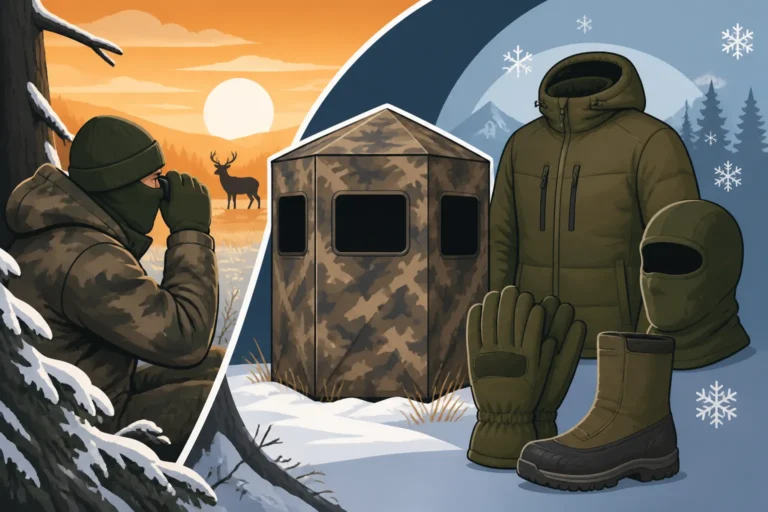
- Layer Up When Static: As soon as you stop moving—whether it’s setting up your treestand, glassing from a ridge, or sitting in a ground blind—add a layer back on. Your body temperature will drop quickly without activity, and that’s when the cold sets in. A dedicated, easy-to-access puffy jacket is perfect for throwing on over your other layers for instant warmth. Even if it's not actively snowing, the cold, damp air will try to steal your body heat.
Post-Hunt Care: Drying Gear Properly
The hunt doesn't end when you leave the woods; proper gear care ensures your expensive clothing performs season after season.
- Immediate Drying: As soon as you get back to camp or home, take your wet gear out of your pack and hang it to dry. Don't leave it wadded up; moisture can lead to mildew and degrade performance. Air drying is often best for both wool and synthetics. If you’re at a camp with a wood stove, be extremely careful with synthetics around direct heat to avoid melting. Wool can often handle a bit more radiant heat, but air circulation is still key.
- Cleaning and Storage: Follow manufacturer's instructions for washing. For wool, gentle cycles and specific wool-safe detergents are often recommended. For synthetics, a regular wash with a technical cleaner (especially for items with DWR) can help maintain performance. Ensure everything is completely dry before storing it for extended periods to prevent mildew and damage. Proper storage will extend the life of your gear significantly, meaning you're not constantly replacing items when Clothing for a New York November comes around.
Being prepared for New York’s wet snow is about more than just buying the right gear; it’s about understanding how to use it, adapt it, and care for it so you can stay out longer and increase your chances of success.
Disclaimer
This article is for general informational purposes only and does not constitute professional advice. Laws, prices and regulations vary by location and change over time. Consult a qualified professional for guidance on your specific situation.