New York’s Chronic Wasting Disease Containment Area
The thought of Chronic Wasting Disease (CWD) is a shadow looming over every deer hunter in New York. It's frustrating, even disheartening, to think about how this disease could impact the deer we pursue and the traditions we hold dear. For those of us who spend countless hours in the woods, the emergence of a CWD Containment Area in Herkimer County brings a whole new layer of concern and a lot of questions about how we can continue to hunt safely and responsibly. This guide will meticulously break down everything you need to know about CWD in New York, focusing on the containment area, the regulations, and how you, as a hunter, can be part of the solution to protect our invaluable deer herd.
What is Chronic Wasting Disease and Why It Matters to New York Hunters
CWD isn't just another deer ailment; it's a serious, progressive, and fatal neurological disease affecting cervids like white-tailed deer, elk, moose, and reindeer. It's part of a family of diseases known as transmissible spongiform encephalopathies (TSEs), similar to "mad cow disease" in cattle. The frustration for hunters is immense because there's currently no cure, and it's always fatal for the infected animal. It’s also incredibly persistent in the environment, making eradication a monumental challenge once it takes hold. The stakes are incredibly high, not just for the health of our deer, but for the future of hunting itself in New York.
The Science Behind the Disease
At its core, CWD is caused by abnormal proteins called prions. Unlike bacteria or viruses, prions aren't living organisms; they're misfolded proteins that cause normal proteins in the brain and nervous system to also misfold. This leads to a slow, irreversible degeneration of brain tissue, creating sponge-like holes – hence "spongiform" encephalopathy. Deer typically become infected through direct contact with infected animals or indirectly by exposure to contaminated environments. Infected bodily fluids like saliva, urine, and feces, as well as decomposing carcasses, can shed these prions into the soil and vegetation, where they can remain infectious for years, even decades. This environmental persistence is what makes CWD so uniquely challenging to manage and contain. Hunters often wonder if the meat is safe, and while there's no evidence of CWD transmitting to humans, the Centers for Disease Control and Prevention (CDC) and other public health agencies strongly advise against consuming meat from CWD-positive animals. It's a critical safety measure that no responsible hunter should overlook.
Why New York Takes It Seriously
New York, specifically the Department of Environmental Conservation (DEC), has been incredibly proactive in monitoring and managing the threat of CWD. For years, New York was one of the few states in the Northeast that had successfully kept CWD out of its wild deer population, despite it being present in neighboring Pennsylvania and Canadian provinces. This changed with the discovery in a captive herd in Herkimer County. The immediate concern is the potential for CWD to spread from captive animals into the wild herd, which could devastate local deer populations and dramatically alter hunting seasons and regulations across the state. The DEC understands that the economic, recreational, and cultural impact of CWD on New York’s hunting community would be profound. That's why every measure, from rigorous testing protocols to the establishment of the containment area, is designed to protect our natural resources. As hunters, we all have a vested interest in seeing these efforts succeed, ensuring that future generations can enjoy the vibrant deer hunting opportunities we have today.
Understanding New York's CWD Containment Area
The establishment of a CWD Containment Area in New York was a direct, decisive response to the discovery of CWD in a captive deer herd in the town of Frankfort, Herkimer County. This wasn't a hypothetical threat; it was a confirmed presence, and the DEC acted quickly to put safeguards in place. It's a bitter pill for local hunters, but a necessary step to protect the wider state. The containment area isn't meant to punish hunters, but rather to concentrate efforts on preventing CWD from becoming endemic in the wild.
Defining the Containment Zone Boundaries
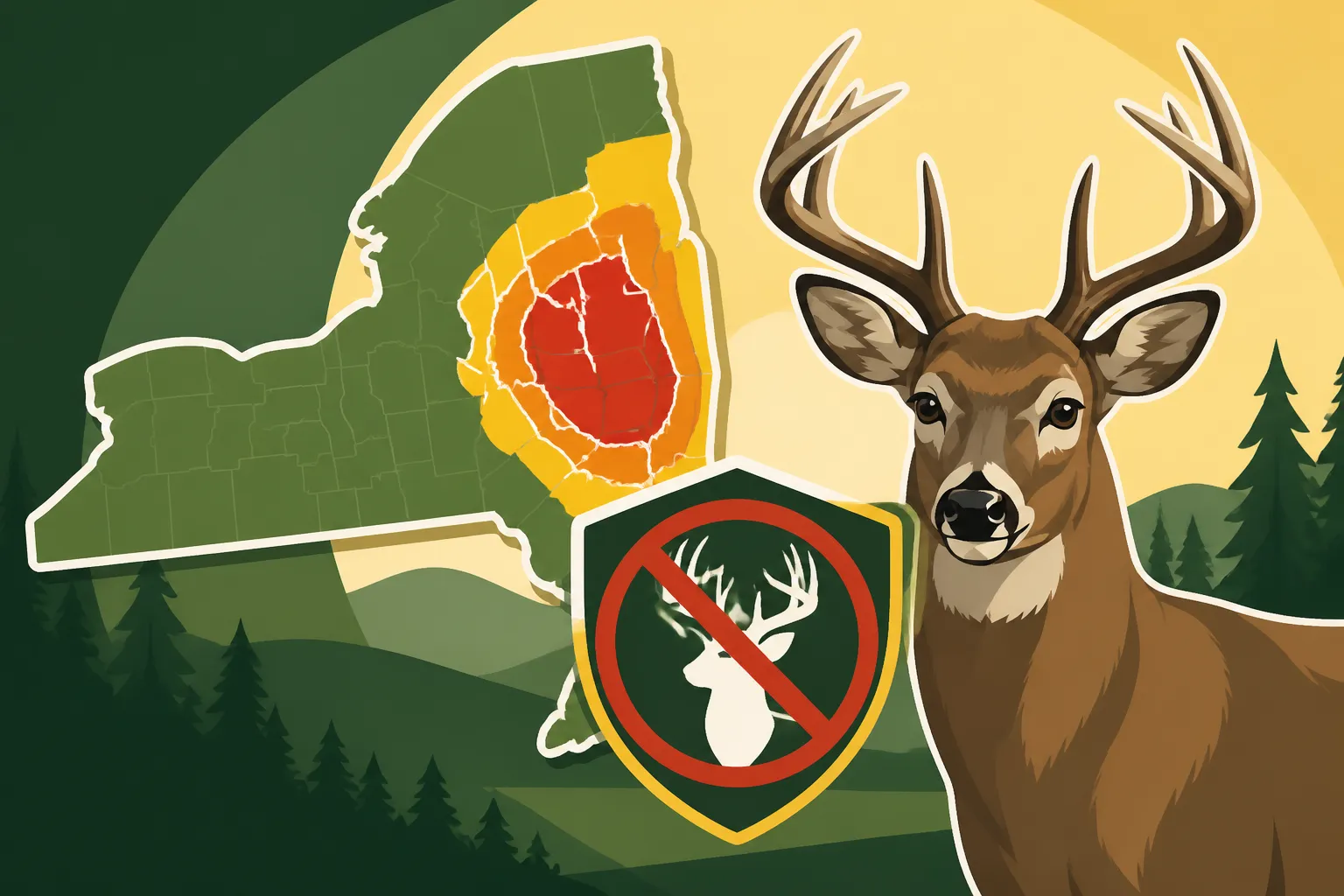
The CWD Containment Area encompasses a specific geographic region in Herkimer County, centered around the known infected captive facility. Currently, this area includes parts of the towns of Frankfort and Schuyler in Herkimer County. While it might seem small on a map, the boundaries are drawn with scientific precision, aiming to capture the most probable range of immediate spread. The DEC uses factors like deer movement patterns, geographic features, and road networks to define these zones, ensuring they are practical for enforcement and effective in containing potential outbreaks. It's crucial for hunters to be intimately familiar with these boundaries, even if they only hunt near them, because the rules change immediately upon entering the containment zone. Tools like the Scouting With the New York HuntFishNY App or online mapping platforms like GoHunt can be invaluable resources for double-checking boundaries before you ever step foot in the woods, preventing accidental violations.
History of the Herkimer County Case
The CWD situation in New York took a serious turn with the confirmation of the disease in a captive cervid facility in Herkimer County in early 2024. This was a devastating blow after years of diligent monitoring showing no CWD in wild New York deer. The initial discovery was made through routine testing of a deer from the captive herd. What followed was a swift and comprehensive investigation by the DEC and the Department of Agriculture and Markets to determine the extent of the infection and implement emergency response protocols. This included depopulating the affected captive herd and initiating intensive surveillance in the surrounding wild deer population. The immediate priority was to prevent the disease from jumping from the captive facility into the extensive wild deer populations nearby. This incident highlights the ongoing challenges of managing CWD, especially with the movement of captive deer, and reinforces why hunters need to be vigilant and informed.
Special Regulations Within the CWD Containment Area
Hunting within a CWD Containment Area comes with a whole new set of rules, and it's easy to feel overwhelmed. But these regulations are our best defense against the further spread of CWD. Ignorance isn't bliss here; it's a risk to the entire deer herd. These rules are non-negotiable and designed to interrupt the transmission pathways of prions.
Mandatory Deer Reporting and Tagging
One of the most significant changes for hunters within the CWD Containment Area is the enhanced reporting requirement. While all harvested deer in New York must be reported, inside the CWD zone, there are often additional mandatory checks or sampling requirements. For instance, the DEC might mandate that all deer harvested within The Herkimer County CWD Containment Towns be brought to a specific check station or that certain tissues be collected for CWD testing. This isn't just about data collection; it's about active surveillance. Every deer harvested becomes a data point in the fight against CWD. Hunters might find this inconvenient, especially if they're used to self-reporting from their phone, but it's a critical step. The DEC also uses these check stations as opportunities to educate hunters, distribute informational materials, and answer questions. It's important to remember that accurate and timely reporting, as outlined in New York Deer Reporting Requirements, is paramount for effective disease management.
Carcass and Parts Restrictions
Perhaps the most impactful regulation within the CWD Containment Area revolves around how deer carcasses and parts can be transported and handled. The core principle is simple: prevent the movement of potentially infected materials out of the containment zone. This means that hunters harvesting a deer within the CWD area generally cannot transport the whole carcass or high-risk parts (like the brain, spinal cord, eyes, spleen, and lymph nodes) outside the zone. Instead, they are typically required to debone the meat, remove the skull plate with antlers, and leave all high-risk parts within the containment area for proper disposal. Some common exceptions might include deer that have been caped out by a taxidermist or processed by a licensed meat processor within the containment area. The specific rules, which are detailed in New York Carcass Transport Restrictions, are critical to follow. Trying to "get around" these rules by moving a whole carcass across boundaries could inadvertently spread prions to new areas, undermining all containment efforts. It’s a major shift in how many hunters are used to handling their harvest, but it’s an essential one for the health of our deer.
CWD Testing for Hunters and Carcass Management
When CWD is a concern, testing becomes an indispensable tool. As hunters, understanding the testing process and how to manage a carcass safely is crucial. It’s not just about compliance; it’s about responsible stewardship of the resource and ensuring the safety of what you bring home.
Voluntary and Mandatory Testing Procedures
Inside a CWD Containment Area, specific CWD testing protocols are put in place, often becoming mandatory for harvested deer. This might involve collecting lymph node samples, particularly from the retropharyngeal lymph nodes in the throat area, or brainstem samples. The process is straightforward, often guided by DEC staff at check stations, or sometimes by trained volunteers. Hunters may be asked to provide specific samples, and clear instructions are always provided. The DEC offers free CWD testing for hunters in the affected area, a crucial service for both monitoring and hunter peace of mind. Outside the immediate containment area, or if you're hunting in other parts of the state, voluntary testing might be offered, especially in areas adjacent to other CWD-positive states. Programs like the one described in New York CWD Testing for Hunters are vital, allowing scientists to assess the disease's prevalence and geographic spread. Knowing the test results for your harvested deer can influence how you choose to process and consume the meat, adding an extra layer of confidence.
Safe Carcass Disposal
Proper carcass disposal is perhaps one of the most critical aspects of preventing CWD spread. Since prions are extremely durable and can persist in the environment for years, simply leaving a carcass in the woods after field dressing could contribute to environmental contamination. Within the CWD Containment Area, hunters are typically advised, or even required, to dispose of high-risk parts (brain, spinal cord, eyes, spleen, lymph nodes) in designated landfills that meet specific regulatory standards or through other DEC-approved methods. For the average hunter, this often means leaving those parts at a DEC check station or taking them to a participating meat processor or taxidermist who will handle disposal responsibly. If you're outside the immediate containment area but are still concerned, or if you've had a deer tested and it comes back positive, burying the high-risk parts deep enough to prevent scavenger access or double-bagging them for municipal landfill disposal are generally recommended practices. This responsible approach, including practices for Field Dressing a Deer in Cold Weather or Butchering a Deer at Camp, helps ensure that any potential prions don't become a long-term threat in the local ecosystem.
Living and Hunting with CWD: Long-Term Considerations
CWD can cast a long shadow, not just over a single hunting season but for decades to come. Hunters need to understand that this isn't a temporary inconvenience; it's a shift in how we approach our sport. Adapting to this new reality is essential for preserving hunting opportunities in New York.
Impact on Hunting Practices
When a CWD Containment Area is established, hunters often feel a deep sense of frustration and even grief. Suddenly, beloved hunting grounds are under new scrutiny, and long-standing traditions are challenged. The reality is that hunting practices will change. You might find increased hunting pressure in certain areas if hunters avoid the containment zone, or conversely, a decrease in pressure within the zone due to the added regulations. The focus might shift more heavily towards doe harvesting in an attempt to reduce deer densities, as outlined in New York Deer Management Permits Explained, which can impact buck-focused strategies. Hunters might also rethink their approach to New York's Southern Zone Firearm Season or New York's Northern Zone Firearm Season, factoring in travel restrictions for deer carcasses. On top of that, social aspects of hunting, like sharing meat from a successful hunt, might be viewed differently, especially if there are concerns about untested venison. It’s a learning curve for everyone, but by staying informed and adapting, we can continue to hunt responsibly within these new parameters.
Protecting Your Harvest and Family
The personal safety aspect, particularly regarding venison consumption, is a major concern for many hunters. While there's no confirmed case of CWD jumping to humans, health organizations still advise caution. This means if you harvest a deer within the CWD Containment Area, getting it tested is a prudent step. If a deer tests positive, the general recommendation is not to consume the meat. This might mean the heartbreak of disposing of a hard-earned harvest, but it's a necessary precaution. Beyond consumption, consider how you handle and process the carcass. Wearing gloves when field dressing, minimizing contact with high-risk tissues, and thoroughly cleaning your tools with a bleach solution are all good practices. For those who process their own meat, understanding proper hygiene and avoiding cross-contamination between high-risk parts and edible meat is vital. These steps, while adding extra layers of effort, ultimately contribute to the safety of your family and the integrity of your venison.
How Hunters Can Help Prevent the Spread of CWD
As hunters, we are often the first line of defense and the most critical partners in wildlife management. When it comes to CWD, our actions can make an enormous difference. We have a responsibility to our deer herd and to the future of hunting.
Best Practices for Hunters
Being a responsible hunter in the age of CWD means adopting some key best practices. First and foremost, stay informed. Read the DEC regulations, check for updates, and understand the specific rules for your hunting area, especially if you're near a containment zone. Secondly, never transport whole carcasses or high-risk parts across state lines or out of designated CWD areas. This is arguably the single most important action you can take to prevent its spread. If you hunt out of state, be acutely aware of their CWD regulations and what you can legally bring back into New York. Many states, including New York, have strict rules about importing cervid carcasses. Third, always dispose of carcass waste responsibly, ideally in a municipal landfill, or as directed by the DEC, especially for high-risk tissues. Avoiding the use of natural deer urine products, which could contain prions (though regulated products are generally considered safer), is another cautious step. And finally, consider using platforms like GoHunt to research CWD hot zones and plan your hunts accordingly, helping you make informed decisions about where and how you hunt.
Reporting Sick Deer
You are the eyes and ears of the DEC in the field. Hunters spend more time observing deer in their natural habitats than almost anyone else. Knowing what to look for and reporting suspicious observations is incredibly important. A deer infected with CWD might exhibit a range of symptoms, including drastic weight loss (emaciation), stumbling, poor coordination, drooling, excessive thirst or urination, listlessness, and a lack of fear of humans. They might carry their head and ears lowered and have a vacant stare. These symptoms typically develop slowly, sometimes over months or even years. If you encounter a deer displaying any of these signs, do not harvest it and do not approach it. Instead, immediately report your observations to the DEC's regional office or through their wildlife health reporting system. Providing detailed information, including the exact location, time, and description of the deer's behavior, can be invaluable to wildlife biologists. This proactive reporting, part of good New York Wildlife Disease Monitoring, can help the DEC identify and respond to potential CWD cases before they spread further.
Future Outlook and Ongoing Monitoring Efforts
The fight against CWD is a long game, not a sprint. The future of New York's deer herd and hunting traditions depends on sustained effort, scientific innovation, and continued hunter cooperation. The challenges are immense, but so is the dedication of wildlife professionals and the hunting community.
Research and Management Strategies
The scientific community is constantly researching CWD, striving to understand its mechanisms, transmission, and potential vulnerabilities. This includes studying prion resistance in deer, developing better diagnostic tests, and exploring methods for decontaminating affected environments. For instance, some research looks into soil properties that might degrade prions or biological agents that could neutralize them. In terms of management, strategies often involve reducing deer densities in affected areas, carcass disposal, and strict regulations on moving live cervids. The goal is always to minimize the risk of spread and, if possible, to contain or even eradicate the disease from specific populations. New York's DEC collaborates with federal agencies, universities, and other states to share data and best practices, ensuring that our management strategies are based on the latest scientific understanding. This ongoing research is critical, as it provides the tools and knowledge needed to adapt and respond effectively to this persistent threat.
The Role of Hunter Cooperation
Ultimately, the success of CWD containment and management efforts hinges on the unwavering cooperation of New York hunters. We are a passionate, committed community, and our willingness to abide by regulations, report concerns, and participate in testing programs is invaluable. Hunters are essential partners in monitoring the health of the wild deer herd. By understanding the rationale behind regulations, even when they are inconvenient, we help enforce them collectively. The hunting culture in New York has a rich history, deeply tied to conservation principles, and facing CWD requires tapping into that legacy of responsibility. Programs like those that inform hunters about White-Tailed Deer Across New York or New York Deer Seasons by Zone will continue to integrate CWD information, making it impossible to ignore. Our collective actions, from proper carcass disposal to supporting scientific research, determine the long-term health of our deer and the future of our cherished hunting heritage. We have a shared responsibility to protect New York's wildlife for generations to come, and that includes being diligent in the face of CWD.
Disclaimer
The information provided in this guide is for general educational purposes only and is not a substitute for official regulations. Always consult the most current New York State Department of Environmental Conservation (DEC) hunting regulations and advisories before engaging in any hunting activities. Regulations, especially concerning Chronic Wasting Disease (CWD), can change frequently.