Clothing for a New York November
November in New York can be a hunter's dream or a miserable test of endurance, often swinging wildly between mild, rainy days and bitter, wind-swept cold, sometimes all within a single hunt. This unpredictability, coupled with the long hours spent stationary in a stand or slowly still-hunting through the timber, means that your clothing isn't just about comfort—it's absolutely critical for safety, focus, and ultimately, success in the field. This guide will help you navigate the tricky waters of dressing for a New York November, ensuring you stay warm, dry, and ready for whatever the woods throw at you.
Understanding New York November Weather Patterns
Anyone who's spent a November in New York knows that "predictable" is about the last word you'd use to describe the weather. It's a month of transition, caught between the lingering mildness of fall and the biting grip of winter, and it can leave you feeling utterly unprepared if you don't account for its notorious mood swings.
The Unpredictable Nature of Late Fall
One day, you might be sweating in your heavy jacket during an early afternoon still-hunt as the sun breaks through, only to be shivering uncontrollably a few hours later when the wind picks up and a cold front sweeps in. We've all been there: underdressed for the late-morning chill that never quite burned off, or overdressed and soaked in sweat from a short walk, which then turns to a bone-chilling cold once you're on stand. This isn't just about being uncomfortable; it's about losing focus when a mature buck slips by or, worse, risking hypothermia. The Southern Tier might see a dusting of snow while the Adirondacks are already buried, and the Finger Lakes region can get that lake-effect dampness that cuts right through you. Planning for this variability is key, often meaning packing options for both ends of the spectrum.
Common Weather Challenges and Their Impact
Expect a mixed bag: crisp, clear mornings that give way to cloudy, blustery afternoons, sudden rain showers, or even an early-season snowstorm. Wind is a huge factor in November, often amplifying the cold significantly, especially when you're perched in a treestand exposed to the elements. Wet weather, whether rain or melting snow, is another major concern; getting soaked through can quickly lead to hypothermia, regardless of the air temperature. Even "mild" rain when it's just above freezing can be far more dangerous than a dry, sub-zero day. You need gear that can handle the full gamut—from a light drizzle to a heavy downpour, and from a gentle breeze to a howling gale that makes the treetops sway.
The Layering System: Your Best Defense Against the Elements
If there's one golden rule for dressing in New York's November woods, it's layering. Forget the idea of one big, bulky jacket doing all the work. A well-executed layering system allows you to adapt to changing temperatures and activity levels, ensuring you stay comfortable and, more importantly, safe.
Why Layering is Non-Negotiable
Layering works by trapping insulating air between each garment, creating pockets of warmth. More importantly, it gives you flexibility. As your activity level changes—walking to your stand, then sitting motionless for hours, or tracking a deer for a mile—your body temperature will fluctuate. A proper layering system allows you to easily add or remove clothing to prevent sweating when active (which leads to chilling when inactive) and to boost warmth when stationary. Think about that long walk in the predawn dark to your favorite Hunting a Funnel Between Two Swamps spot; you'll build up heat, but once you climb into your stand, that heat dissipates fast. Being able to shed a layer for the walk in and then put it back on is critical.
The Three Core Layers Explained
A complete layering system typically consists of three main components:
- The Base Layer: Worn directly against your skin, its primary job is to wick moisture (sweat) away from your body. Keeping your skin dry is paramount, as wet skin loses heat rapidly.
- The Mid-Layer(s): These are your insulating layers. They trap warm air close to your body, providing the bulk of your warmth. You might use one or multiple mid-layers depending on the temperature and your activity.
- The Outer Layer (Shell): This is your protective shield against external elements like wind, rain, and snow. It should be durable, waterproof, and windproof, but also breathable enough to allow internal moisture to escape.
Understanding how these layers work together is the foundation of smart cold-weather hunting. You need each piece to perform its specific function effectively, or the whole system can fail.
Base Layers: The Foundation of Warmth
Your base layer is arguably the most important piece of clothing you'll wear in November. It's the first line of defense against both cold and discomfort, and getting it wrong can ruin your hunt before it even begins.
Wicking Moisture Away from Your Skin
The primary purpose of a base layer is to move sweat away from your skin to the outer layers, where it can evaporate. When sweat stays on your skin, it cools rapidly, drawing heat away from your body and making you feel cold, even in relatively mild temperatures. Imagine a crisp, clear morning in the Catskills, you've just made a strenuous climb up to your Entry Routes on Steep Catskill Ground location. You're sweating, but the air is cold. If your base layer doesn't wick that moisture, you'll be shivering by the time the sun hits the ridge. Materials like merino wool and synthetic blends excel at this. Forget cotton entirely; cotton absorbs moisture and holds it, making it essentially useless and dangerous as a base layer in cold, wet conditions.
Merino Wool vs. Synthetics
When it comes to base layers, you'll mostly be choosing between merino wool and synthetic fabrics. Each has its strengths.
- Merino Wool: This natural fiber is a hunter favorite for good reason. It's incredibly soft, comfortable, and, most importantly, excels at regulating body temperature. It wicks moisture efficiently, but what truly sets it apart is its ability to retain warmth even when damp. Plus, it has natural antimicrobial properties, meaning you can wear it for several days without it smelling like a locker room—a huge bonus on multi-day hunts or in hunting camp. The downside? It can be more expensive than synthetics and might not be as durable in terms of snagging. Many hunters find the comfort and warmth-to-weight ratio of merino wool simply unbeatable.
- Synthetics: Modern synthetic base layers, often made from polyester or polypropylene, are fantastic at wicking moisture. They dry quickly, are generally very durable, and often come at a more accessible price point than merino. They also perform very well when you're exerting yourself and sweating a lot. However, they tend to hold odor more readily than merino wool, requiring more frequent washing. Some hunters also find them less comfortable against the skin, though advancements in fabric technology have largely mitigated this. When considering Wool Versus Synthetics in Wet Snow, synthetics dry faster, but merino insulates better when damp.
The choice often comes down to personal preference and budget. Many hunters opt for a blend of the two, or different weights for different conditions. Regardless of your choice, ensure it's snug-fitting to maximize its wicking performance without restricting movement.
Mid-Layers: Insulation and Versatility
Once your base layer is doing its job wicking moisture, your mid-layers step in to provide the bulk of your warmth. These are the versatile workhorses of your system, allowing you to add or subtract insulation as needed throughout the day.
Fleece, Down, and Synthetic Insulation Options
Mid-layers come in a variety of materials, each with its own advantages:
- Fleece: Lightweight, breathable, and relatively inexpensive, fleece is a popular choice. It's excellent at trapping warm air and performs well even if it gets a little damp. It's also quiet, which is a big plus when you're trying to remain stealthy. You can find fleece in various weights, from thin microfleece to thick, heavy options, making it easy to dial in your insulation.
- Down: Down is incredibly warm for its weight and highly compressible, making it easy to pack. It's fantastic for very cold, dry conditions. However, its major drawback is that it loses virtually all its insulating properties when wet. If you're hunting in a particularly wet November, down might be a risky choice unless you can guarantee it will stay perfectly dry under your outer shell.
- Synthetic Insulation: Modern synthetic insulations (like PrimaLoft or Thinsulate) mimic the warmth of down but retain most of their insulating power even when wet. This makes them an excellent choice for unpredictable New York Novembers, where rain or wet snow is always a possibility. They are usually a bit bulkier and heavier than down for the same warmth but offer superior performance in damp conditions. Cold-Weather Sitting Strategy in New York often relies heavily on effective synthetic mid-layers.
Consider packing a couple of different mid-layer options. For example, a thinner fleece for active periods or milder days, and a heavier synthetic insulated vest or jacket to throw on when you're sitting still for long stretches, like waiting for that prime moment during Hunting the Rut in the Southern Zone.
Optimizing Your Mid-Layer Strategy
The key to a good mid-layer strategy is flexibility. You want to be able to add or remove layers quickly and quietly. For instance, you might start the day with a lightweight merino base layer, a medium-weight fleece jacket, and your outer shell. As you walk to your stand, you might shed the fleece. Once you're settled, you can easily put the fleece back on. If the temperature drops or you get a stiff wind, you might then add a puffy synthetic vest or jacket over the fleece, but under your shell, to boost your core warmth.
It’s also smart to think about zones. A vest can be incredibly effective for keeping your core warm without adding bulk to your arms, which can make drawing a bow or shouldering a rifle feel awkward. When looking at your overall gear, especially if you're out on public land, platforms like GoHunt can offer reviews and comparisons on various mid-layer options, helping you make informed decisions based on other hunters' experiences.
Outer Layers: The Shield Against the Elements
Your outer layer is your last line of defense against the brutal realities of a New York November. It’s what stands between you and the wind, rain, and snow, and it needs to perform flawlessly to keep you dry and comfortable.
Waterproofing and Windproofing: Non-Negotiables
This is where you absolutely cannot cut corners. A truly effective outer layer must be both waterproof and windproof. Getting wet or having the wind cut through your clothing will negate all the excellent work your base and mid-layers are doing. Look for jackets and pants with high-quality waterproof/breathable membranes (like Gore-Tex or similar proprietary technologies). These membranes prevent external moisture from getting in while still allowing internal moisture (sweat vapor) to escape, preventing that clammy feeling inside your suit.
Windproofing is equally critical. A stiff November breeze, especially when combined with dampness, can drop the "feels like" temperature dramatically. A good outer shell will block this wind entirely, allowing your mid-layers to efficiently trap warm air. This is vital whether you're hunkered down in a ground blind or exposed on a ridge during a late-season Hunting the Southern Zone Holiday Hunt. Pay attention to details like fully taped seams, water-resistant zippers, and adjustable cuffs and hoods that can seal out the elements.
Material Choices: Softshell vs. Hardshell
You’ll generally choose between two main types of outer layers:
- Hardshell: These are your traditional waterproof and windproof jackets and pants. They offer the highest level of protection against rain and snow, often feeling a bit stiffer and sometimes making a bit more noise than softshells. Hardshells are essential for heavy downpours or prolonged exposure to wet weather. If you’re hunting in a climate where you expect frequent or intense precipitation, a quality hardshell is your best bet.
- Softshell: Softshells are more flexible, breathable, and quieter than hardshells, making them excellent for active hunting in milder, drier conditions where you still need wind resistance and some water repellency (like a light drizzle). They often have a DWR (Durable Water Repellent) finish that causes water to bead up and roll off, but they aren't fully waterproof like a hardshell with a membrane. Some hunters use a softshell as their primary outer layer and carry a lightweight hardshell as a backup for unexpected heavy rain.
For a New York November, having a good hardshell as your primary outer layer or at least readily available is often the safest bet due to the potential for significant wet weather. If you prioritize quiet movement for still-hunting, a quiet softshell with a hardshell stashed in your pack is a viable strategy.
Camouflage, Blaze Orange, and Stealth Considerations
Your outer layer also needs to address visibility requirements and stealth. Many states, including New York, have New York Blaze Orange Requirements during firearm seasons. Your outer layer is where this color will primarily show. Choose a jacket or vest that meets the minimum square inches of blaze orange or blaze pink.
- Camouflage: For archery seasons, camouflage is often preferred to help you blend into the surroundings. Ensure your camo pattern is appropriate for the typical November woods, which usually means patterns with bare tree trunks, branches, and duller earth tones, as the leaves are often down.
- Blaze Orange/Pink: During firearm seasons, your outer layer will likely be blaze orange. Look for vests or jackets that are comfortable, quiet, and easily layered over your insulation. Some companies offer options like reversible camo/orange jackets for versatility. Blaze Orange Jackets Versus Vests often comes down to personal preference for warmth versus mobility. Remember, the key is to be seen by other hunters, not by deer.
- Quietness: Regardless of color or pattern, ensure your outer layer is quiet. Nothing ruins a close encounter faster than a crinkly, noisy jacket when you draw your bow or raise your rifle. Many hunting-specific outer layers are designed with quiet fabrics that are brushed or soft to the touch. This attention to detail is crucial when a deer is only 30 yards away.
Head, Hands, and Feet: Critical Extremities
These are the areas where you lose the most heat, and often, where hunters make the biggest mistakes in their clothing choices. Neglecting your head, hands, and feet can quickly lead to discomfort, loss of dexterity, and even dangerous cold.
Hats and Headwear: Don't Forget Your Lid
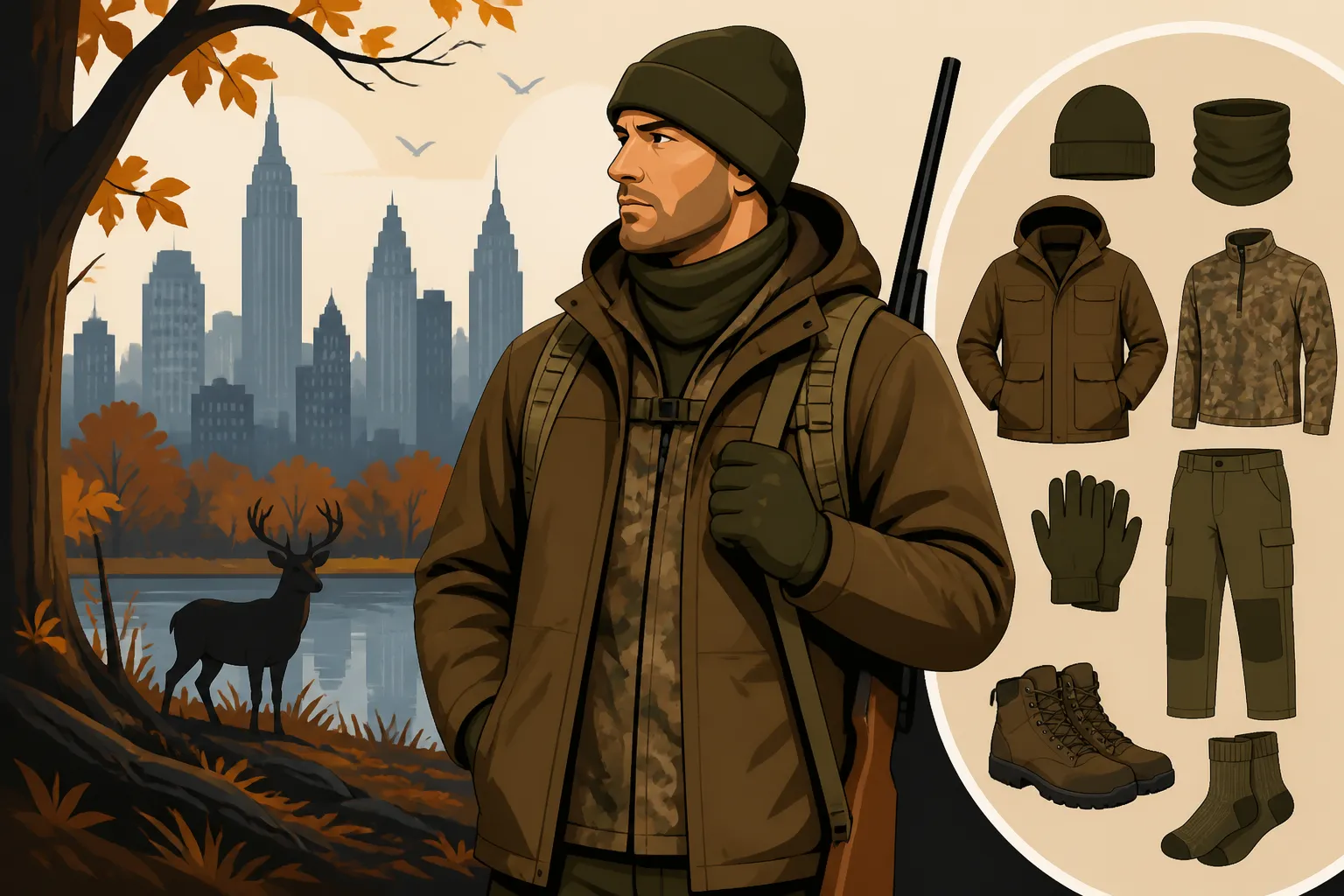
Your head is like a chimney, radiating a significant amount of body heat. Wearing a hat, especially one made of wool or fleece, can make a surprising difference in your overall warmth. For active periods, a lighter beanie might suffice. When sitting still in a biting wind, a thicker insulated hat, perhaps with a windproof membrane, or even a hood from your outer jacket pulled up, is invaluable. Many hunters also use a neck gaiter or balaclava to protect their face and neck from the cold, wind, and sun. This is especially important for long, motionless sits on an exposed ridge. Cold-Weather Sitting Strategy in New York always includes proper headwear.
Gloves and Mittens: Dexterity vs. Warmth
This is a constant struggle for hunters: how to keep hands warm without sacrificing the ability to shoot accurately or handle gear.
- Layering Hands: Just like your body, layering for your hands is effective. Start with a thin, wicking glove liner (merino wool or thin synthetic) that you can wear while walking or when temperatures are mild.
- Insulated Gloves: Over the liner, you might wear a pair of medium-weight insulated gloves. Look for options that offer good grip and aren't too bulky.
- Mittens or "Shooting" Mitts: For colder conditions, or when you're mostly stationary, a pair of heavy mittens can't be beaten for warmth. Many hunters use "shooting" mittens that have a separate trigger finger or can flip back to expose their fingers for better dexterity when a shot opportunity arises. These are fantastic for keeping hands warm during long waits, then allowing for quick access to your fingers for the shot. Even if you're Hunting New York's Muzzleloader-Only Weeks in December, keeping your hands warm enough to manipulate the delicate parts of a muzzleloader is crucial.
Keep an extra pair of gloves or liners in your pack. If your first pair gets wet, having a dry backup can be a game-changer.
Boots and Socks: Your Connection to the Ground
Cold, wet feet are a fast track to misery. Your boots and socks are paramount for comfort and safety.
- Insulated, Waterproof Boots: For November in New York, a pair of insulated, waterproof hunting boots is almost mandatory. Look for boots with at least 800 grams of insulation, and often 1200-1600 grams for colder, stationary hunting, especially if you're dealing with snow or standing water. Ensure they are truly waterproof, with gusseted tongues and quality seams. The tread should offer good traction on slick leaves, mud, and potentially ice. When considering Boots for New York Swamps and Snow, rubber boots are great for wet conditions, but heavily insulated leather/synthetic boots often offer more support and warmth for longer treks.
- Layering Socks: Your socks are just as important as your boots. Again, ditch cotton. Opt for high-quality merino wool or synthetic blend socks.
- Liner Socks: A thin wicking liner sock (silk or thin synthetic) worn directly against your skin can help prevent blisters and wick moisture away from your foot.
- Main Sock: Over the liner, wear a medium to heavy-weight wool or synthetic hunting sock. The right thickness will depend on your boot fit and the temperature. You want a snug fit that prevents rubbing but doesn't restrict circulation.
- Boot Fit and Circulation: Ensure your boots fit well, with enough room to wiggle your toes even with heavy socks. Too tight, and you'll restrict circulation, leading to cold feet. Too loose, and you risk blisters.
- Drying Your Boots: At camp, always pull out your insoles and stuff your boots with newspaper or use a boot dryer to ensure they are completely dry for the next morning. Nothing starts a cold day worse than pulling on damp boots. This attention to detail is vital, especially when spending multiple days pursuing White-Tailed Deer Across New York.
Scent Control and Camouflage/Blaze Orange
While warmth and dryness are critical, effective hunting clothing also addresses scent and visibility to game and other hunters.
Scent Management in November
Deer rely heavily on their sense of smell, and in November, with cooler temperatures, scent tends to hold closer to the ground and travel further. While no system can eliminate 100% of human odor, you can certainly minimize it.
- Cleanliness: Start with a shower using scent-eliminating soap. Wash your hunting clothes in scent-free detergent and dry them outdoors or in a scent-free dryer. Store them in airtight bags or containers with natural elements like pine needles or cedar.
- Carbon and Ozone: Some hunters use activated carbon clothing, designed to absorb odors, or portable ozone generators to treat their gear. The effectiveness of these technologies is often debated, but many swear by them. Just remember, these are tools to reduce scent, not eliminate it entirely.
- Wind Direction: Ultimately, hunting the wind remains your best scent control strategy. No amount of specialized clothing will completely fool a deer's nose if your scent is blowing directly to them. Always consider Wind and Thermals on a Catskill Ridge when setting up your stand or planning your stalk.
Meeting Blaze Orange/Pink Requirements
New York has specific regulations regarding hunter orange/pink during certain seasons, primarily during firearm seasons for big game.
| Season Type | Blaze Orange/Pink Requirement |
|---|---|
| Bowhunting Season | Not required for archery hunters (but often recommended for visibility when walking in/out or in shared areas). |
| Muzzleloader Season | Required during regular muzzleloader seasons. |
| Regular Firearm Season | Required for all big game hunters. A minimum of 250 square inches of solid or patterned blaze orange or blaze pink, visible from all directions (e.g., hat and vest/jacket). |
| Small Game / Upland Birds | Not required, but highly recommended for safety, especially if hunting in areas shared with big game hunters. |
| Youth Deer Hunt Weekend | Youth hunters and their adult mentors must wear blaze orange/pink. |
| Holiday Deer Hunt | Required for all big game hunters in the Southern Zone (where this hunt occurs). |
Always check the current New York DEC hunting regulations booklet for the most up-to-date and specific requirements for the season and region you're hunting. While the legal minimum is important, many experienced hunters choose to wear more blaze orange/pink than required, especially on crowded public lands, to maximize their visibility to other hunters. It's about safety first.
Essential Accessories and Emergency Gear
Your clothing system isn't complete without a few key accessories and a small emergency kit to ensure you're prepared for anything a New York November can throw at you. These items complement your layers and provide that extra margin of comfort and safety.
Backpack Essentials for Layering and Beyond
A well-chosen backpack is your mobile closet and survival kit. For most day hunts, a pack between 1,500 and 2,500 cubic inches is ideal.
- Extra Layers: Always pack an extra mid-layer (like a synthetic puffy jacket) that you can throw on if you get cold, or an extra base layer if your current one gets soaked. A lightweight rain shell, even if you’re already wearing a water-resistant outer layer, is a smart backup for unexpected downpours.
- Gloves and Hats: An extra pair of dry gloves or a warm hat can literally be a lifesaver if your primary ones get wet or lost.
- Water and Snacks: Staying hydrated and fueled is crucial for maintaining body heat. Cold weather can mask thirst, but dehydration is still a risk. Pack high-energy snacks that are easy to eat with cold hands.
- Navigation: Even if you think you know the area, always carry a GPS unit or a reliable mapping app on your phone (like the Scouting With the New York HuntFishNY App) with downloaded offline maps. A compass and paper map are excellent backups.
- First-Aid Kit: A compact kit with essentials for cuts, blisters, and minor injuries is a must.
- Headlamp: For walking in before dawn or out after dusk, a good headlamp is non-negotiable. Look for one with a red light option to preserve night vision.
- Fire Starter: Waterproof matches, a lighter, or a ferro rod can be critical in an emergency.
- Game Bags: If you're fortunate enough to harvest a deer, having game bags will help keep the meat clean and cool. Don't forget your Field Dressing Knives Worth Carrying!
When heading into the backcountry, especially for potential Hunting Bears in the Adirondack Interior, your pack takes on even greater importance, often requiring more extensive survival gear.
Hand Warmers and Seat Cushions: Comfort Boosters
Sometimes, it's the little things that make the biggest difference in comfort and staying power on stand.
- Chemical Hand Warmers: These inexpensive packets can be a game-changer for keeping fingers and toes warm. Slip them into your gloves or socks, or place larger body warmers against your core. They don't last forever, so pack a few extra. When evaluating Hand Warmers That Last a Full Sit, consider different brands and types (air-activated vs. reusable).
- Insulated Seat Cushion: Sitting directly on a cold treestand seat or the frozen ground will quickly drain your body heat. An insulated seat cushion creates a barrier, keeping your backside much warmer and allowing you to sit longer and more comfortably.
- Thermos with Hot Beverage: A thermos full of coffee, tea, or hot broth can provide a much-needed internal warmth boost on a frigid morning. The psychological comfort alone is worth the extra weight.
- Binocular Harness: While not clothing, a good binocular harness helps distribute the weight of your optics, keeping them secure and easily accessible, while also helping to keep your core warmer by preventing them from bouncing around on your chest. Platforms like GoHunt often feature user reviews on these essential accessories, helping hunters pick the most practical options for their rugged pursuits.
By meticulously planning your layering system, paying attention to critical extremities, addressing scent and visibility, and packing the right accessories, you can transform a potentially brutal New York November hunt into an enjoyable and successful experience. Stay warm, stay dry, and good luck out there!
Disclaimer
This article is for general informational purposes only and does not constitute professional advice. Laws, prices and regulations vary by location and change over time. Consult a qualified professional for guidance on your specific situation.