New York Apprentice Hunter Rules
Feeling the urge to get out into the woods but daunted by all the rules, regulations, and the big hurdle of hunter education? You're not alone. Many aspiring hunters, young and old, find the initial steps to getting afield incredibly confusing, especially here in New York State where the seasons and licenses can seem like a puzzle. Luckily, New York offers a fantastic pathway for newcomers: the Apprentice Hunter Program. This guide will walk you through exactly how this program works, helping you understand its benefits, requirements, and how to safely and effectively get started on your hunting journey.
What Exactly Is New York's Apprentice Hunter Program?
New York's Apprentice Hunter Program is designed to remove a significant barrier for new hunters: the mandatory hunter education course that's typically required before purchasing a hunting license. Instead of taking the course first, this program allows individuals of any age to purchase a hunting license and experience hunting directly under the watchful eye of an experienced, licensed mentor. It’s a brilliant way to get hands-on experience, learn safe practices in a real-world setting, and decide if hunting is truly for you before committing to the full hunter education curriculum.
A Gateway for Newcomers of All Ages
One of the coolest aspects of the Apprentice Hunter Program is that it's not just for kids. While often associated with youth, the program is open to anyone, regardless of age, who has never held a hunting license or has never completed a hunter education course. This means if you're an adult who's always wanted to try hunting but hasn't had the time for a class, or a parent wanting to share the tradition with your child without waiting, this program offers that direct entry. It acknowledges that sometimes, the best way to learn is by doing, with the right guidance. It’s about passing down knowledge and fostering a new generation of ethical, safe hunters through direct mentorship.
The Core Concept: Learning Under a Mentor
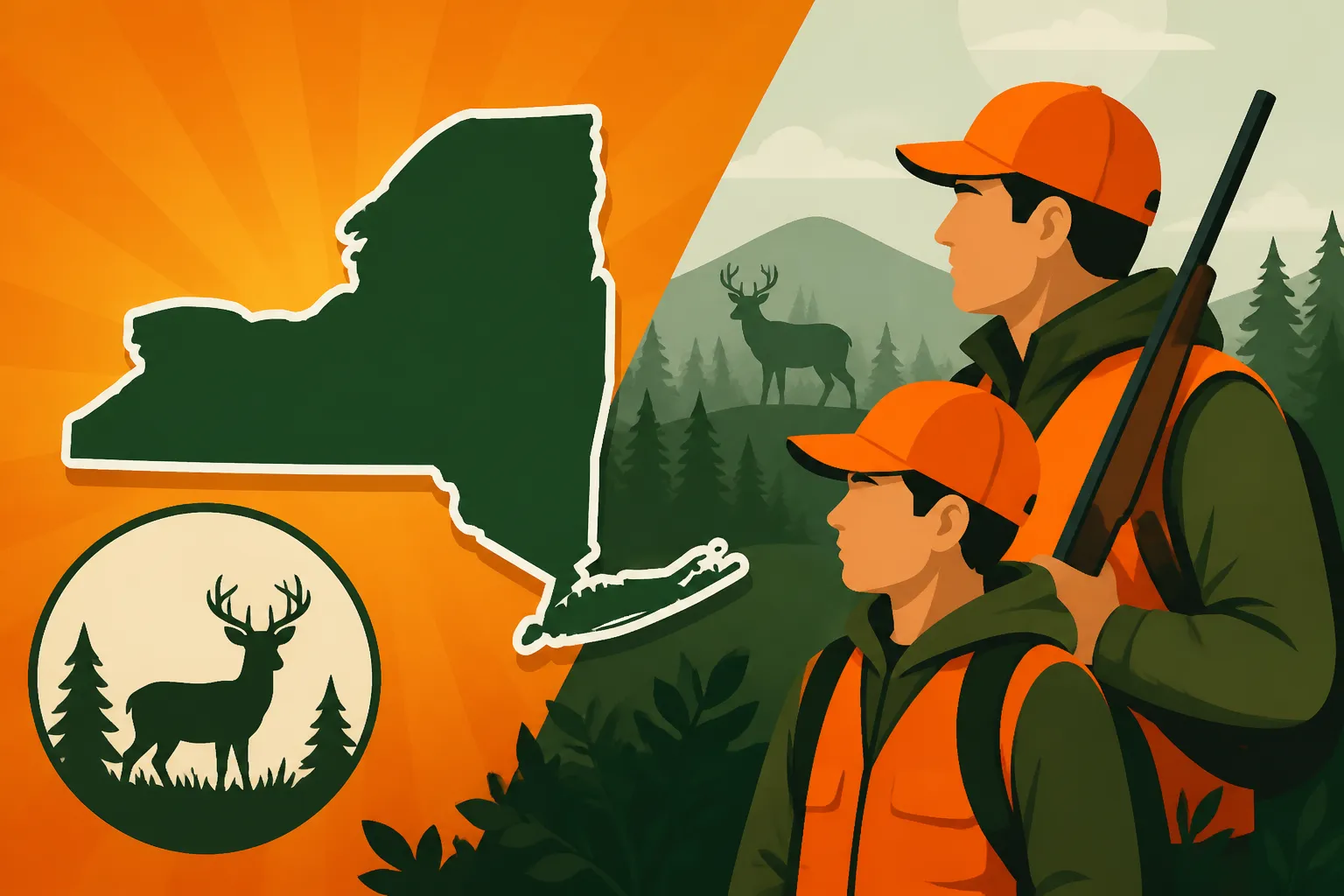
At its heart, the Apprentice Hunter Program is all about mentorship. It pairs an inexperienced hunter with a seasoned veteran who understands the local landscape, game behavior, and, most importantly, the critical rules of safety. The mentor isn't just a chaperone; they're a teacher, a guide, and a role model. They are responsible for ensuring the apprentice understands and adheres to all hunting laws and safety protocols. This isn't a program for a casual observer; it's an immersive learning experience where the apprentice is actively participating in the hunt, from scouting and tracking to ethical shot placement and game recovery. This hands-on approach builds confidence and competence in a way a classroom setting simply can't replicate alone.
Differences from a Standard Hunting License
The biggest difference between an apprentice license and a standard hunting license lies in the hunter education requirement. A standard license (like a resident or nonresident hunting license) requires proof of completion of a New York Hunter Education course or a hunter education course from another state deemed equivalent. With an apprentice license, that requirement is waived. However, this waiver comes with a very important caveat: the apprentice must hunt with a licensed mentor at all times. They cannot hunt unsupervised. This direct supervision is the cornerstone of the program, ensuring safety and responsible behavior until the apprentice can pass their own hunter education and hunt independently. Think of it as having "learner's permit" for hunting.
Eligibility, Licensing, and What You Can Hunt
Getting started with the Apprentice Hunter Program is designed to be straightforward, but there are specific steps and rules you need to follow. It’s important to understand who qualifies, how to get your license, and what game species you’ll be able to pursue under this program.
Who Can Be an Apprentice Hunter?
The eligibility for the Apprentice Hunter Program is quite broad, which is part of its appeal. As mentioned, it's open to anyone who has not previously held a hunting license or completed a hunter education course. This means:
- Youth: Young hunters, generally starting from age 12 (for big game like deer and bear, and some small game) or 14 (for turkeys), can participate. For very young hunters (age 12-15), the New York Mentored Youth Hunting Rules apply for specific seasons and species, and this often overlaps with the apprentice program's intent. The apprentice license is the mechanism for them to participate without having passed hunter education yet.
- Adults: There’s no upper age limit. If you’re an adult looking to try hunting for the first time, you are absolutely eligible. This is a great way for individuals who missed out on hunter education earlier in life to finally experience the outdoors.
The key is that you are a new hunter to New York, meaning you haven't completed the official New York Hunter Education Requirements.
Obtaining Your Apprentice License
Getting an apprentice license is similar to purchasing any other New York hunting license, but with an important distinction: you won't be asked for a hunter education certificate. You can purchase your license through the New York Department of Environmental Conservation (DEC) online system via the GoHunt portal, by phone, or in person at a license issuing agent. When asked for proof of hunter education, you’ll indicate you are applying for an apprentice license.
Here’s a general rundown of the process:
- Gather Your ID: You'll need proof of residency if you're a New York resident (driver's license, non-driver ID, or current utility bill). Non-residents will need similar identification.
- Purchase Online/In Person: Visit the DEC's licensing website or a local vendor.
- Select Apprentice License: When prompted for hunter education details, select the apprentice hunter option. This will allow you to purchase the necessary hunting license and any required permits (like a Deer Management Permit or Turkey Permit, if applicable and you meet the age requirements for those specific tags). For example, a 14-year-old apprentice would be eligible to apply for a DMP if they were otherwise qualified.
- Mentor Information (Optional, but often helpful): While you don't need to register your mentor at the time of purchase, it's a good idea to have a mentor lined up before you buy the license, as you cannot hunt without one.
Permitted Game Species and Seasons
An apprentice hunter, generally speaking, can hunt the same species and during the same seasons that their license privileges allow, provided they are accompanied by their mentor. This means if you buy an apprentice small game license, you can hunt rabbits, squirrels, grouse, and other small game. If you buy an apprentice big game license, you can pursue deer and bear during the appropriate seasons. This includes participation in the full range of seasons, such as the New York's Southern Zone Firearm Season or the New York's Northern Zone Firearm Season, as long as the apprentice meets age requirements for big game (12+) and is supervised.
It’s crucial to remember that all other hunting regulations still apply. This includes bag limits, legal shooting hours, and compliance with blaze orange requirements. For example, if you're deer hunting, you still need to know the specific deer seasons by zone. While an apprentice can generally hunt any legal game species allowed by their license, they must always refer to the current DEC Hunting and Trapping Guide for specific season dates, bag limits, and any special restrictions. For specific bird hunting, like waterfowl, they would also need a New York Migratory Bird Certification and a federal duck stamp if over 16, just like any other hunter.
The Critical Role of the Mentor
The mentor is the linchpin of the Apprentice Hunter Program. Without a qualified, responsible mentor, the program cannot function safely or effectively. The mentor isn't just there to point out a deer; they are legally and ethically responsible for the apprentice's safety, conduct, and understanding of hunting principles.
Mentor Qualifications and Legal Responsibilities
To be a mentor in New York's Apprentice Hunter Program, you must meet specific qualifications:
- Age: You must be 18 years of age or older.
- License: You must possess a valid New York State hunting license for the current hunting season and for the species being hunted (e.g., a big game license if mentoring a deer hunter).
- Experience: You must have at least one year of hunting experience. This ensures the mentor has a foundational understanding of hunting practices, safety, and regulations.
- No Convictions: You cannot have any hunting license revocations or game law convictions in the previous five years. This is critical for ensuring the mentor is a responsible and law-abiding individual.
The legal responsibilities of the mentor are paramount:
- Direct Supervision: The mentor must be in control of the apprentice hunter. This means they are actively supervising and providing instruction at all times the apprentice is hunting.
- Immediate Distance: The mentor and apprentice must remain at an "immediate distance" from each other, which means within sight and direct voice contact without shouting. We'll delve deeper into this rule shortly.
- Safety First: The mentor is responsible for the apprentice's adherence to all firearm or bow safety rules. This includes ensuring safe carrying, handling, and pointing of the weapon.
- Ethical Conduct: Beyond safety, the mentor is responsible for teaching and demonstrating ethical hunting practices, respect for wildlife, and adherence to all game laws. This includes proper Field Dressing a Deer in Cold Weather or other game and following all reporting requirements.
Maintaining a Safe and Educational Environment
The mentor's role extends beyond simply being present. It's about creating a true learning environment. This means:
- Pre-Hunt Briefings: Before heading out, discuss the hunt plan, target species, safety rules, and what to expect. Review the rules for New York Legal Shooting Hours and remind the apprentice about identifying their target clearly.
- Active Instruction: Don't just hunt alongside them; actively teach. Explain why you're choosing a certain stand location, how to read sign, or how wind and thermals affect deer movement. This is a perfect opportunity to share knowledge about Scouting New York Public Land Before Season.
- Emphasis on Safety: Reiterate gun safety rules constantly. "Muzzle control," "positive identification of target and beyond," and "keeping your finger off the trigger until ready to shoot" are not just slogans; they are life-saving principles. Ensure the apprentice understands the importance of wearing the required New York Blaze Orange Requirements to be seen by other hunters.
- Patience and Encouragement: New hunters will make mistakes or have questions. A good mentor is patient, encouraging, and willing to explain things multiple times. Celebrate small victories, like identifying a fresh track, and use missed opportunities as teaching moments.
The "How Close a New York Mentor Must Stay" Rule
This is one of the most frequently asked questions and a critical aspect of the Apprentice Hunter Program. New York State law dictates that the mentor and apprentice must remain at an "immediate distance" from each other. What does "immediate distance" truly mean in the field?
The DEC clarifies this as: within sight and direct voice contact without shouting.
Let's break that down with real-life scenarios:
- In Open Woods: If you're walking through fairly open hardwoods in the Catskills, "immediate distance" might mean 20-30 yards. You can easily see your apprentice and speak to them in a normal conversational tone. If they stop to look at something, you stop too.
- In Thick Cover: If you're navigating dense brush, thick evergreens, or swampy areas common in the Southern Tier, "immediate distance" becomes much shorter. You might need to be almost shoulder-to-shoulder, or at least within 5-10 yards, to maintain continuous sight and voice contact. It's not about being able to see a tree, it's about seeing your apprentice.
- On Stand: If you're hunting from treestands or ground blinds, the apprentice should be in the same stand or blind, or a very close adjacent position where constant visual and verbal communication is effortless and direct. You can't put an apprentice in a stand 100 yards away and consider that "immediate distance." The entire purpose is direct supervision of the apprentice's every action.
This rule is about ensuring the mentor can intervene instantly if a safety issue arises, provide immediate instruction, or ensure the apprentice is making ethical decisions. It’s not just a guideline; it's a legal requirement designed to protect both the apprentice and the public.
| Feature | Apprentice Hunter License (with Mentor) | Standard Hunting License (Post-Hunter Ed) |
|---|---|---|
| Hunter Education Required? | No, waived for program participation | Yes, required prior to purchase |
| Age Limit | Open to all ages (12+ for big game, 14+ for turkey) | Open to all ages |
| Supervision Required? | YES, must be accompanied by a qualified mentor | No, can hunt independently |
| Mentor Qualifications | 18+, 1+ year hunting experience, no recent convictions | N/A |
| Distance from Mentor | Within sight & direct voice contact | N/A |
| Permitted Species | As per license, with mentor; age restrictions apply | As per license |
| Access to DMPs? | Yes, if age-eligible (e.g., 14+ for deer) | Yes, if age-eligible |
| Cost | Same as regular license for age/residency | Same as regular license for age/residency |
Maximizing Your Apprentice Experience and Moving Forward
The Apprentice Hunter Program is a fantastic stepping stone, but it's important to approach it with the right mindset and to understand how to transition once you've gained enough experience. It's not just about getting a tag; it's about becoming a responsible, self-sufficient hunter.
Advantages and Potential Drawbacks
Advantages:
- Hands-On Learning: There's no substitute for learning in the field. This program provides real-time experience, allowing apprentices to witness animal behavior, learn tracking, and understand shot placement directly.
- Immediate Entry: Bypassing the initial hunter education requirement means new hunters can get into the woods sooner, perfect for those eager to try it out or with limited time for classes.
- Direct Mentorship: Learning from an experienced hunter provides invaluable insights, safety lessons, and ethical guidance that are hard to get from a textbook alone. It's an excellent way to learn about specific local tactics, like Still-Hunting Catskill Ridges or how to find good spots for Hunting Southern Tier Farmland Deer.
- Building Confidence: Safely experiencing hunting and successfully participating, even if it doesn't result in a harvest, builds confidence and a deeper appreciation for the outdoors.
Potential Drawbacks:
- Reliance on a Mentor: You cannot hunt alone. This means every hunting trip is dependent on your mentor's availability and willingness to go.
- Limited Autonomy: As an apprentice, you're always under direct supervision, which means less personal freedom during the hunt. This can be frustrating for some who prefer a more independent experience.
- Temporary Solution: The apprentice license is a bridge, not a permanent solution. To hunt independently, you must eventually complete hunter education.
Transitioning to a Full Hunting License
The ultimate goal of the Apprentice Hunter Program is to prepare new hunters to eventually complete their hunter education course and obtain a standard, unsupervised hunting license. Once you feel comfortable with the basics of safety, game identification, and ethical hunting practices, it's time to enroll.
- Hunter Education Course: New York offers various options for Taking New York Hunter Education Online or in-person courses. Choose the format that best suits your learning style and schedule. The course covers firearms safety, hunting laws, wildlife identification, ethics, and conservation principles.
- Bowhunter Education (Optional): If you plan on pursuing Bowhunting New York's Long Archery Season, you will also need to complete a separate New York Bowhunter Education Requirement.
- Crossbow Certification (if applicable): If using a crossbow, you'll need to understand the Crossbow Rules During New York Archery Season, though specific certification for crossbows is usually integrated with bowhunter education requirements.
- Proof of Completion: Upon successful completion of the course(s), you'll receive a certificate or have your completion recorded in the DEC system.
- Purchase Standard License: The next time you purchase a license, you can select the standard hunting license option, as your hunter education is now on file. You’ll be able to hunt independently, adhering to all general regulations for seasons, bag limits, and legal methods.
Finding Mentors and Resources
If you're interested in the Apprentice Hunter Program but don't have a mentor, don't despair! Finding a good mentor is key to a successful experience.
- Family and Friends: The most common way to find a mentor is through existing hunters in your family or social circle. Don't be shy about asking. Many experienced hunters are eager to share their passion.
- Local Hunting Clubs: New York has many local hunting clubs and conservation organizations. These groups often have members willing to mentor new hunters. Check with organizations like the New York State Conservation Council or local chapters of national groups like the National Wild Turkey Federation, Ducks Unlimited, or Quality Deer Management Association (now NDA).
- Sporting Goods Stores: Your local independent sporting goods store can be a great resource. The staff often know local hunters and club contacts, and sometimes even offer clinics or events designed to connect mentors with apprentices.
- Online Communities: Reputable online hunting forums or dedicated platforms like GoHunt sometimes have sections where experienced hunters offer to mentor newcomers, though always exercise caution and vet individuals thoroughly when meeting online. These platforms can also be invaluable for researching hunting areas, understanding game movements, and connecting with the broader hunting community.
- DEC Resources: The New York DEC website is always a go-to for official program information, season dates, and resources related to hunter education.
Remember, a good mentor is more than just a hunting buddy; they're a teacher and a safety officer. Choose someone you trust, who is patient, knowledgeable, and committed to ethical hunting practices. The Apprentice Hunter Program is an incredible opportunity to learn the ropes and become a part of New York's rich hunting heritage.
Disclaimer
Please note: This article provides general information and guidance based on current New York State hunting regulations. Hunting laws and regulations can change. It is the responsibility of every hunter to consult the official New York State Department of Environmental Conservation (DEC) Hunting and Trapping Regulations Guide for the most up-to-date and complete information before participating in any hunting activity. Always prioritize safety and ethical hunting practices.